2026 Top Conveyor Systems Trends You Need to Know?
As industries evolve, so do Conveyor Systems. These essential tools streamline operations and enhance productivity. In 2026, several trends are reshaping their landscape. From advanced automation to eco-friendly materials, these trends are vital.
One major shift is the integration of AI technology. It allows for real-time monitoring and predictive maintenance. This leads to fewer downtimes and increased reliability. Companies are also leaning towards modular designs. These systems offer flexibility and easy upgrades, catering to changing needs.
Furthermore, sustainability is becoming a priority. Organizations are exploring biodegradable materials and energy-efficient designs. However, adapting to these trends can present challenges. Companies must balance innovation with cost, ensuring they remain competitive in a fast-paced market. Understanding these trends is crucial for future success in the field of Conveyor Systems.
Emerging Technologies in Conveyor Systems for 2026
Emerging technologies are transforming conveyor systems by enhancing efficiency and integration. In 2026, automation will take center stage. According to a recent report by MarketsandMarkets, the conveyor system market is projected to reach $10.7 billion by 2026, driven by demand for automated solutions. These innovations will streamline operations in industries like manufacturing, food and beverage, and logistics.
AI and machine learning are playing critical roles. These technologies analyze operational data in real time, optimizing speed and reducing downtime. Visual recognition systems can identify product types and manage sorting processes more effectively. In fact, the International Society of Automation indicates that companies using AI in their conveyor systems saw a 20% increase in productivity.
Additionally, sustainability is becoming paramount. Companies are investing in energy-efficient motors and materials that reduce environmental impact. The Global Environmental Facility underscores that modern conveyor solutions can cut energy consumption by up to 30%. However, adopting these technologies presents challenges. Initial costs remain high, and there is a learning curve for integration into existing systems. These factors require careful consideration before implementation.
Sustainability Trends Impacting Conveyor System Designs
Sustainability is reshaping conveyor system designs significantly. Many industries are prioritizing eco-friendly solutions. This trend revolves around materials that are recyclable and energy-efficient. Companies have started using lightweight materials in conveyor construction. These choices reduce energy consumption and emissions.
Moreover, manufacturers are adopting modular designs. This allows for easier upgrades and repairs, reducing waste. In addition, integrating smart technology is crucial. Sensors can monitor energy usage and detect inefficiencies. This real-time data helps optimize operations and supports sustainability goals.
However, the shift to sustainable conveyor systems is not without challenges. Some companies face higher upfront costs. There may also be a learning curve in implementing new technologies. Balancing cost and environmental impact remains vital. Companies must also ensure their designs meet regulatory requirements for sustainability.
Automation and Robotics Integration into Conveyor Systems
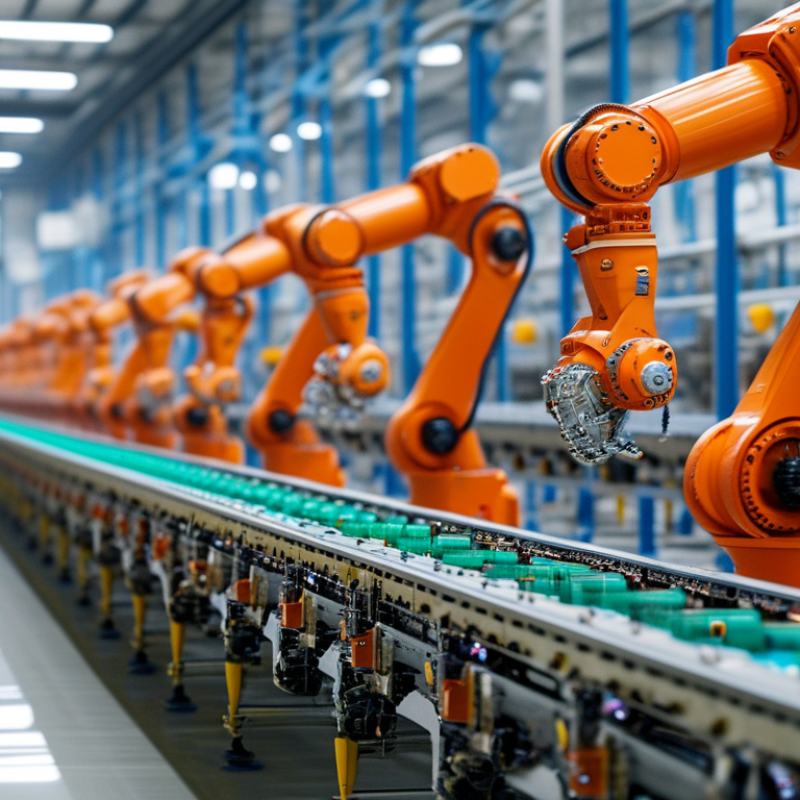
The integration of automation and robotics into conveyor systems is revolutionizing the manufacturing landscape. A recent report by Grand View Research indicates that the global conveyor systems market is projected to reach $9.4 billion by 2028, driven largely by advancements in automation technologies. Industries are increasingly adopting robotic solutions to enhance efficiency and reduce labor costs.
Automation not only speeds up operations but also improves precision in product handling. According to a study from Automation World, companies that implemented automated conveyor systems reported a 30% increase in throughput. These systems can adapt to various loads and workflow changes in real-time. However, the transition isn't without its challenges. Many facilities face difficulties in integrating existing infrastructure with new technologies.
The key to successful integration lies in careful planning. Facilities must assess their specific needs and limitations. Despite the promising statistics, the human element remains critical. Workers must be trained not just to operate the machinery but also to respond to any malfunctions. A lack of adequate training can lead to operational inefficiencies. As automation in conveyor systems continues to evolve, organizations must reflect on their strategies and be prepared for a learning curve.
Smart Conveyor Systems: IoT and Data Analytics Applications
Smart conveyor systems are changing the logistics landscape. They integrate Internet of Things (IoT) technology to streamline operations. These systems collect real-time data from numerous sensors. This data drives efficiency and responsiveness in supply chains.
Data analytics plays a crucial role in these advancements. By analyzing trends, companies predict equipment failures. This allows for proactive maintenance, reducing downtime. However, the complexity of data management may overwhelm some businesses. Crafting a coherent strategy for data use is essential.
Moreover, the application of IoT in smart conveyor systems raises privacy concerns. Sensitive information could be vulnerable to cyber threats. It is crucial for organizations to implement robust security measures. Balancing innovation and security is an ongoing challenge. As industries evolve, reflecting on these aspects will shape the future of conveyor system integration.
2026 Top Conveyor Systems Trends
This chart illustrates the adoption rates of various trends in conveyor systems for the year 2026, highlighting the growing importance of smart technologies such as IoT and data analytics.
Enhancements in Safety and Ergonomics for Conveyor Systems
The conveyor systems industry is witnessing notable enhancements focused on safety and ergonomics. Companies are prioritizing the safety of workers by integrating advanced features. For instance, many systems now include emergency stop buttons, which can swiftly halt operations in case of danger. This immediate accessibility can save lives.
In terms of ergonomics, new designs aim to reduce strain on employees. Adjustable conveyor heights allow for customization based on individual needs. This simple change can significantly lower the risk of injuries. Workers can perform their tasks comfortably and efficiently.
Tips: Regular training on proper usage is vital. Encourage employees to provide feedback on ergonomic setups. Conduct routine assessments to ensure equipment remains user-friendly and safe. This proactive approach can lead to better employee satisfaction and productivity.