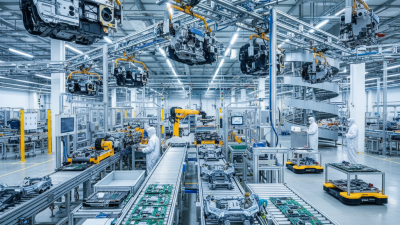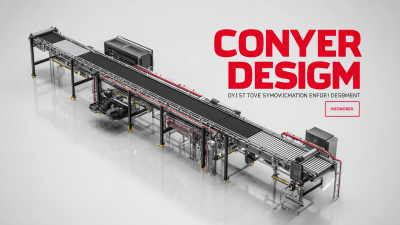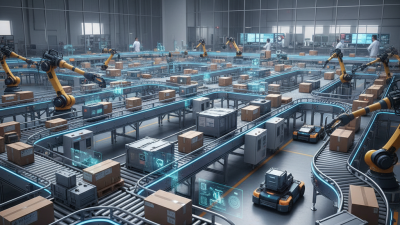
Assembly Conveyor Systems play a crucial role in modern manufacturing. They streamline processes, enhancing efficiency and productivity. These systems offer significant benefits that impact various industries.
One major advantage is improved workflow. Assembly Conveyor Systems minimize delays and reduce labor costs. They facilitate the movement of materials, ensuring each component reaches the right station. This efficiency can lead to higher output rates.
Moreover, reliability is a key factor in their design. Well-engineered systems can handle diverse product sizes and weights. However, they require regular maintenance to avoid breakdowns. This highlights the need for ongoing investment in quality systems. Understanding these nuances can greatly influence a company's operational success.
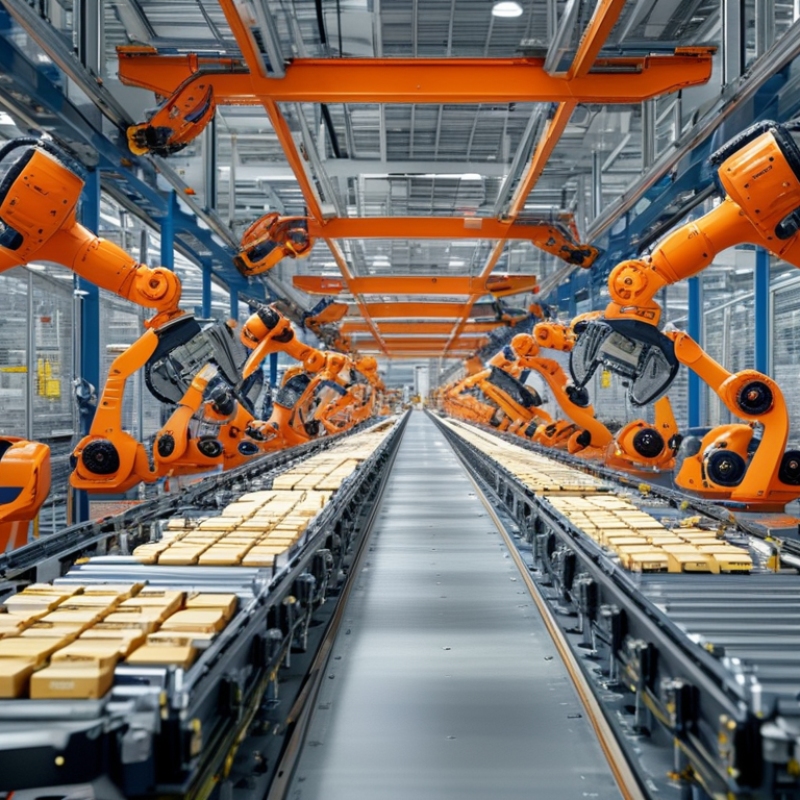
Assembly conveyor systems play a vital role in enhancing manufacturing efficiency. These systems streamline the assembly process, reducing the time required for product completion. According to recent industry reports, companies employing conveyor systems have noticed a 30% increase in productivity. This efficiency translates into faster turnaround times and lower operational costs.
Moreover, assembly conveyor systems improve workflow by minimizing manual handling. Workers can focus on assembly tasks rather than transportation. A study by the Manufacturing Technology Centre indicates that, with better organization, error rates can drop by up to 25%. However, companies must also consider potential bottlenecks in the system. Every step should be analyzed to prevent any delays in production flow.
Incorporating ergonomic design in assembly conveyor systems can enhance worker satisfaction. More comfortable setups reduce fatigue and risk of injury. Reports have shown that happier workers are 12% more productive. Yet, not all companies invest in this aspect. The balance between automation and human involvement needs constant reflection to ensure optimal performance.
| Benefit | Description | Impact on Manufacturing |
|---|---|---|
| Increased Efficiency | Streamlines production processes by automating the movement of materials between assembly stations. | Reduces cycle time and enhances overall throughput. |
| Improved Quality Control | Allows for better monitoring and control of production processes at each stage. | Minimizes defects and enhances product quality. |
| Flexibility | Can be adapted for various products and assembly methods. | Supports quick changes to production lines as demand shifts. |
| Cost Reduction | Lowers labor costs by reducing the number of operators needed. | Enhances profitability through streamlined operations. |
| Safety Improvements | Reduces the risk of workplace accidents by minimizing manual handling. | Creates a safer working environment for employees. |
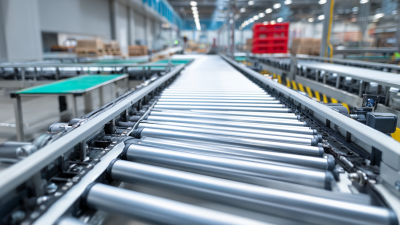
Automation in assembly lines has transformed manufacturing. Assembly conveyor systems play a critical role in this evolution. They streamline production tasks, reducing the need for manual intervention. This not only boosts efficiency but also minimizes human error. For instance, a well-designed conveyor system can move materials seamlessly. Workers can focus on quality checks instead of repetitive tasks.
However, integrating automation is not without challenges. Training staff on new technologies can be daunting. Some may resist changes, fearing job losses. It's essential to create a culture that embraces innovation while addressing these concerns. Data shows that productivity increases significantly when employees feel valued in their roles. Yet, the transition requires time and patience.
Customization of conveyor systems offers flexibility for various industries. Each sector has unique needs, and a one-size-fits-all approach may not work. Companies need to evaluate their processes continuously. Regular assessments help identify bottlenecks and improve workflow. Balancing automation with human oversight is crucial for long-term success.
Conveyor systems enhance product quality significantly. They ensure that items move smoothly from one station to another. This reduces the chance of human error during assembly. When operators are less distracted, they can focus better on quality control. As a result, the final product meets higher standards.
Consistency is another crucial advantage of conveyor systems. Products are assembled at a steady pace. Each item follows the same route, reducing variance. This uniformity helps prevent defects. However, it’s important to regularly inspect the equipment. Wear and tear can affect performance, leading to inconsistencies. Proper maintenance is essential to sustain quality.
Incorporating automation can improve accuracy further. Automated systems can detect issues early on. They can adjust processes in real-time. Nonetheless, relying heavily on technology might overlook human touch. Balancing automation with skilled workers is vital for optimal output. This combination could lead to higher overall product quality.
Assembly conveyor systems can significantly enhance cost-effectiveness in various industrial sectors. By streamlining the assembly process, these systems reduce labor costs and minimize errors. When components move automatically along a conveyor, less time is wasted on manual transportation. This efficiency often translates to higher production rates.
Moreover, assembly conveyor solutions can accommodate changes in production lines without major investments. Scaling operations up or down becomes easier with adjustable conveyors. This flexibility allows businesses to respond quickly to market demands. Over time, the reduction in operational costs can lead to substantial savings, making these systems a smart investment.
However, it's essential to assess the initial setup costs and maintenance requirements. While they may offer savings in the long run, businesses must ensure a proper return on investment. Staff training is also crucial, as employees need to adapt to new technologies. Balancing these factors can lead to better overall efficiency and profitability in the assembly process.
In dynamic industries, assembly conveyor systems stand out for their flexibility and scalability. Businesses often face evolving demands. Conveyor systems can adapt easily, accommodating various products and workflows. A report from the Material Handling Industry of America highlights that a 20% flexibility increase can lead to a 15% boost in efficiency.
Having a modular design is a key feature. This allows for quick adjustments and expansions based on need. For example, assembly lines can be reconfigured without substantial downtime. According to a study by McKinsey, companies that prioritize adaptive systems can reduce lead times by up to 30%. Such data illustrates the importance of embracing change.
Tips: Regularly assess your workflow. Identify areas where flexibility can improve efficiency. Collaborating with your team can uncover insights. Always stay updated with the latest industry trends. This helps in making informed decisions. Embracing change should be a continuous process, not a one-time effort.