Leave Your Message

7 Best Assembly Conveyor Systems for Manufacturers

On a busy production floor, a conveyor can shape far more than how parts move. It affects operator reach, work-in-progress, changeover time, and the space available for inspection. Assembly Conveyor Systems range from simple belt lines to powered roller, overhead, pallet, and flexible modular designs. Each solves a different material-handling problem. Some carry small components between workstations; others position heavier assemblies for repeatable tasks. The details matter: product weight, line speed, floor layout, and access for maintenance can change which system makes sense. Small mismatches become daily frustrations.

This guide looks at seven conveyor options manufacturers commonly consider, with attention to practical strengths and trade-offs. A pallet conveyor, for example, can keep a product oriented through several work stages, while a flexible system may suit changing production needs. But neither choice is automatically right. Real lines have awkward corners, uneven workloads, and product mixes that shift over time. Measurements taken during a quiet production period may not reflect a demanding shift. That is worth checking. Comparing capacity, ergonomics, controls, guarding, and service requirements helps teams ask better questions before investing. The best option is not necessarily the fastest or most automated. It is the one that supports consistent work, fits the actual process, and can be maintained without disrupting production. One caveat: equipment specifications alone cannot reveal every floor-level constraint. Walk the line, involve operators, and verify assumptions before making a final selection.
7 Best Assembly Conveyor Systems for Manufacturers

How Assembly Conveyor Systems Fit into Manufacturing Workflows

An assembly conveyor should follow the work, not force workers to follow an awkward layout. Map each station, handoff, and inspection point before choosing its speed or configuration. A chassis might move from fastening to wiring, then pause for a torque check. Small buffers between stations can prevent one slow task from stopping the entire line. Keep tools, parts bins, and safety access within reach. The details matter.

Automation is expanding, but conveyor design still depends on the product and people. The International Federation of Robotics reported 4.28 million industrial robots operating worldwide in 2023, up 10% from 2022. MHI and Deloitte’s 2024 Annual Industry Report found that 55% of respondents planned to adopt robotics and automation within five years. These figures describe broader automation trends, not conveyor performance. In practice, conveyors can connect manual assembly, robotic handling, and quality checks, but poorly placed transfers may create new delays. A conveyor can also reveal a weak process faster. That can be uncomfortable, but useful. Track cycle time, work-in-process, and stoppages during a pilot, then adjust the line before expanding it.
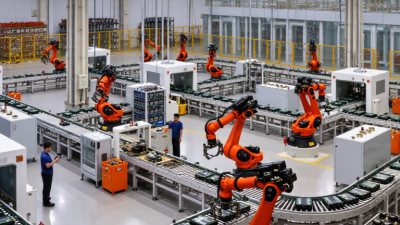
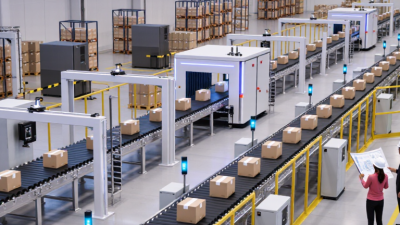
Seven Common Assembly Conveyor Systems and How They Operate

Assembly conveyor systems move parts between workstations while controlling how workers access each task. A belt conveyor carries small, lightweight products on a continuous surface; operators can fit components as items pass. The belt keeps moving. Roller conveyors use gravity or powered rollers to carry cartons, trays, or sturdy assemblies, while chain conveyors pull heavier loads along fixed tracks. Overhead conveyors suspend products from an elevated rail, leaving floor space open for benches and carts. They work well for parts that need to travel above work areas, but loading height and safe access need careful planning.

Pallet conveyors move assemblies on reusable carriers, helping locate each unit consistently at a station. Slat conveyors use linked metal or plastic plates, giving hot, sharp, or irregular items a stable platform. Accumulation conveyors temporarily hold products in a queue, so one station can pause without stopping every upstream process. That matters on busy lines. In practice, product weight, shape, cycle time, and cleaning needs often decide the fit more than the conveyor’s name. A narrow belt may suit small housings, while a chain track handles heavier fixtures. No system solves every layout. Even a well-sized conveyor can create awkward reaches if station height and worker movement are overlooked. Teams should test representative parts and observe the line under realistic production conditions before finalizing the layout.

7 Best Assembly Conveyor Systems for Manufacturers – Seven Common Assembly Conveyor Systems and How They Operate
Conveyor System How It Operates Typical Assembly Applications Key Advantages Important Considerations
Belt Conveyor A continuous belt moves products along a driven path. The belt may run horizontally or at a modest incline, depending on the design and load. Lightweight parts, packaged products, and assembly steps that require a continuous, stable surface. Provides smooth, consistent movement and supports products with small bases that may not travel reliably on rollers. Choose belt material and width for the product, work environment, and cleaning requirements. Access to the belt and drive components may be needed for maintenance.
Powered Roller Conveyor Motor-driven rollers propel products or carriers along the line. Zoned controls can start, stop, or accumulate loads in selected sections. Rigid-bottomed totes, cartons, pallets, and assembly carriers that need controlled movement or accumulation. Can support accumulation and controlled transfers, helping separate work between stations. Products need a suitable base that contacts enough rollers. Consider load weight, roller spacing, transfer points, and required control logic.
Gravity Roller Conveyor Products move over freely rotating rollers using a slight slope or a manual push. No powered drive is required for basic operation. Short transfer sections, manual work areas, and movement of suitable cartons, trays, or other rigid-bottomed loads. Simple construction and no conveyor drive motor make it useful for low-speed, short-distance transfers. Movement depends on slope, load weight, and product base. It offers less precise speed and spacing control than powered systems.
Slat Conveyor Linked slats form a continuous load-carrying surface and are driven around a track by a chain or similar mechanism. Assembly of products that benefit from a stable platform, such as appliances, automotive components, and other durable goods. Provides a robust, relatively level surface and can be configured with fixtures or work-positioning features. Slat width, chain design, and load support must match the product and operating conditions. Moving chains and pinch points require guarding.
Overhead Conveyor Carriers or hangers travel on an elevated track, typically pulled by a chain or moved by a powered system. Hanging parts, assemblies, or components that need to move between workstations while keeping floor space available. Uses overhead space and can route products through multiple process areas without occupying the floor-level work path. Requires adequate building clearance and structural support. Product hanging points, load balance, and safe access for operators need planning.
Power-and-Free Conveyor A powered chain moves overhead or floor-level carriers, while a separate track allows individual carriers to stop, accumulate, or follow alternate routes. Multi-station assembly lines where products need different dwell times, routing, or temporary accumulation. Allows carriers to move independently of the main drive, supporting flexible flow and work-in-process buffering. More complex than a simple conveyor and requires careful layout, carrier control, and maintenance planning.
Pallet Conveyor Dedicated pallets or fixtures carry products through the line, commonly on powered rollers, chains, or a modular transfer system. Assembly processes that need repeatable product positioning, automated transfers, or a consistent interface between workstations. Fixtures can locate products consistently and help standardize transfers and station operations. Pallet dimensions, locating features, load capacity, and return path should be designed around the product and station equipment.

How Conveyor Design Affects Product Flow, Speed, and Flexibility

Assembly conveyor performance starts with the route, not the motor. A belt conveyor suits steady movement of lightweight parts, while roller systems can handle heavier fixtures and controlled accumulation. Chain or slat conveyors provide stable support for assemblies with uneven undersides. Pallet conveyors keep components located as they pass between workstations. The right choice depends on the product and each task.

Indexing systems stop carriers at set positions, giving operators predictable access for fastening or inspection. Overhead conveyors free floor space, but suspended parts need secure support and adequate clearance. Modular belt systems can navigate curves, though tighter turns may affect product spacing. Small details matter. A poorly placed transfer can jolt a component or create a queue before a station.

Speed depends on more than conveyor velocity. Station cycle times, buffer space, and operator reach all shape actual output. A short accumulation zone can prevent one brief delay from stopping the entire line. Flexibility comes from adjustable guides, accessible controls, and workstations that can be repositioned without rebuilding the route. There is a trade-off: extra buffers take floor space, and frequent stops can complicate maintenance. A layout review should test real product dimensions and observe how parts move during a typical shift. One missed handoff can change the flow.

Key Safety, Controls, and Integration Requirements

Choosing among the seven common assembly conveyor systems is only part of the decision. Safety details shape whether a line works well on a busy shift. Specify fixed guards around pinch points, clear access for clearing jams, and emergency stops within easy reach. Operators should not need to cross a moving belt to reach one. Keep walkways visible, even when carts and bins accumulate nearby.

Controls need to match the actual work. Photoelectric sensors can detect gaps or backed-up parts, while variable-speed drives help balance station cycle times. Use clear status lights and plain fault messages; “line stopped” is less useful than “station 4 part missing.” Interlocks should prevent motion when a guard is open, and restart procedures should avoid unexpected movement. Test these conditions with operators, not only during a quiet commissioning window. Short tests matter.

Integration often exposes the assumptions that drawings miss. Confirm conveyor height, transfer points, electrical connections, and data signals before equipment arrives. A small mismatch can leave a part catching at a transfer plate or a sensor reading the wrong edge. Document signal names and recovery steps so maintenance staff can troubleshoot without guesswork. One detail is easy to overlook: product changes may alter part spacing and sensor behavior. The original setup may need another review. That is not a failure; it is a useful reminder that a line changes after installation.

How Manufacturers Can Select the Right Conveyor System

Choosing an assembly conveyor starts with the work, not the equipment catalog. Map each station, measure the available floor space, and record the product’s weight, dimensions, and handling needs. A belt conveyor can move small parts smoothly, while a roller or pallet system may suit heavier assemblies. Overhead conveyors can free floor space, but they need adequate ceiling clearance. No single design fits every line.

Estimate the required production rate and allow time for loading, inspection, and minor stoppages. Then consider product variation: frequent changeovers may call for adjustable guides or modular sections. Check worker reach, emergency access, cleaning needs, and maintenance requirements. Ask suppliers for load and speed data, and test a sample workflow where practical. Real production is often messier than a layout drawing suggests. I have seen a neat plan overlook space for a cart.

Tips: Walk the proposed route with operators before approving a layout. Mark turns, work zones, and service access on the floor. Compare total operating costs, not just purchase price. Include controls, installation, energy use, spare parts, and training. Start with a short pilot if uncertainty remains; measure cycle time and jams, then adjust. Small gaps between stations can matter more than expected.