Best Automation Conveyors for Efficient Warehouse Operations?
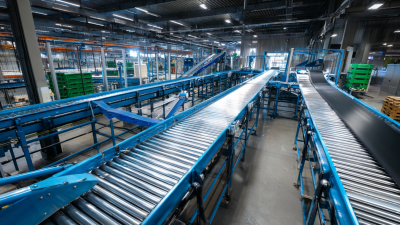
In today's fast-paced warehouse environment, efficiency is key. Automation conveyors have emerged as an essential tool for streamlining operations. These systems minimize manual handling and optimize workflow. By using automation conveyors, warehouses can significantly reduce delays. They transport goods quickly and reliably, ensuring timely deliveries.
However, the choice of automation conveyors is not always straightforward. Different types cater to diverse needs. It’s vital to evaluate which system best fits specific operations. Some warehouses may require high-speed solutions, while others focus on flexibility. Each operation has unique challenges that need addressing.
Investing in automation conveyors can be costly, but the returns often justify the expense. Yet, businesses must also consider maintenance issues and employee training to maximize benefits. Selecting the right system can often feel overwhelming. Reflecting on operational needs will guide this important decision.

Types of Automation Conveyors for Warehouse Efficiency
Automation conveyors are essential for enhancing efficiency in warehouse operations. Different types cater to various needs and product types. Each conveyor type has unique benefits and challenges.
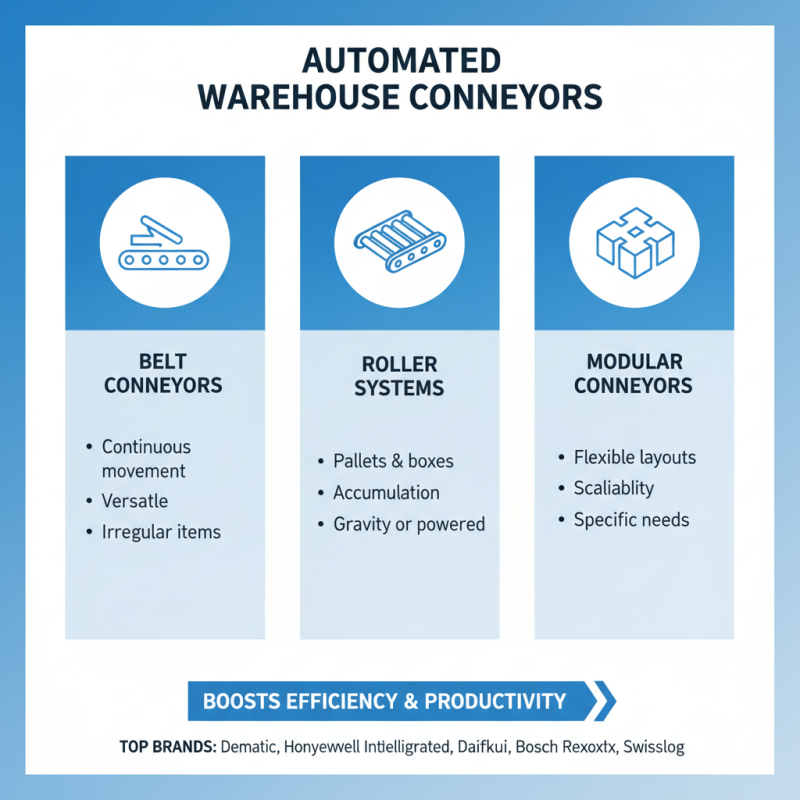
Belt conveyors are commonly used for transporting products across short distances. They can handle a variety of items, from boxes to bags. However, their limited speed may slow down workflows if not properly calibrated. Roller conveyors, on the other hand, allow for gravity-driven movement of goods. They are often less expensive but might require more manual effort for loading and unloading.
Another option is the modular conveyor system. This type can adapt to changing layouts and needs. While they offer flexibility, modifications can be costly and time-consuming. It's crucial to assess the workspace and product specifics before selecting a conveyor type. Choosing the right conveyor can significantly impact operational efficiency and workflow speed in the long run.
Key Features to Consider in Automation Conveyors
When selecting automation conveyors for warehouse operations, several key features are vital. System flexibility is crucial. Conveyors need to adapt to various package sizes and weights. Automatic adjustments can save time and reduce labor costs. For example, a system that can handle both boxes and pallets enhances operational efficiency.
Speed and durability play significant roles too. A conveyor that is too slow can create bottlenecks. However, high-speed models may lead to accidents. Balancing speed with safety is essential. Material choice also matters. Heavy-duty materials can withstand daily wear, but they can increase costs. It’s important to evaluate the long-term benefits versus immediate expenses.
Moreover, energy efficiency is an ongoing concern. A conveyor that uses less energy can help reduce operational costs. Still, it may not have the same performance level as standard models. Finding that equilibrium requires careful consideration. Maintenance requirements are another aspect needing attention. Complex systems may have higher maintenance needs. Simpler designs can minimize downtime but might lack some advanced features.
Best Automation Conveyors for Efficient Warehouse Operations
| Conveyor Type |
Load Capacity (lbs) |
Speed (ft/min) |
Power (HP) |
Material |
Key Feature |
| Roller Bed Conveyor |
500 |
100 |
0.5 |
Steel |
Low friction operation |
| Belt Conveyor |
600 |
80 |
1.0 |
Rubber |
Versatile design |
| Chain Conveyor |
800 |
60 |
1.5 |
Metal |
Heavy-duty construction |
| Modular Belt Conveyor |
400 |
75 |
1.0 |
Plastic |
Easy maintenance |
| Screw Conveyor |
300 |
30 |
0.75 |
Steel |
Compact design |
Benefits of Implementing Automation Conveyors in Warehouses
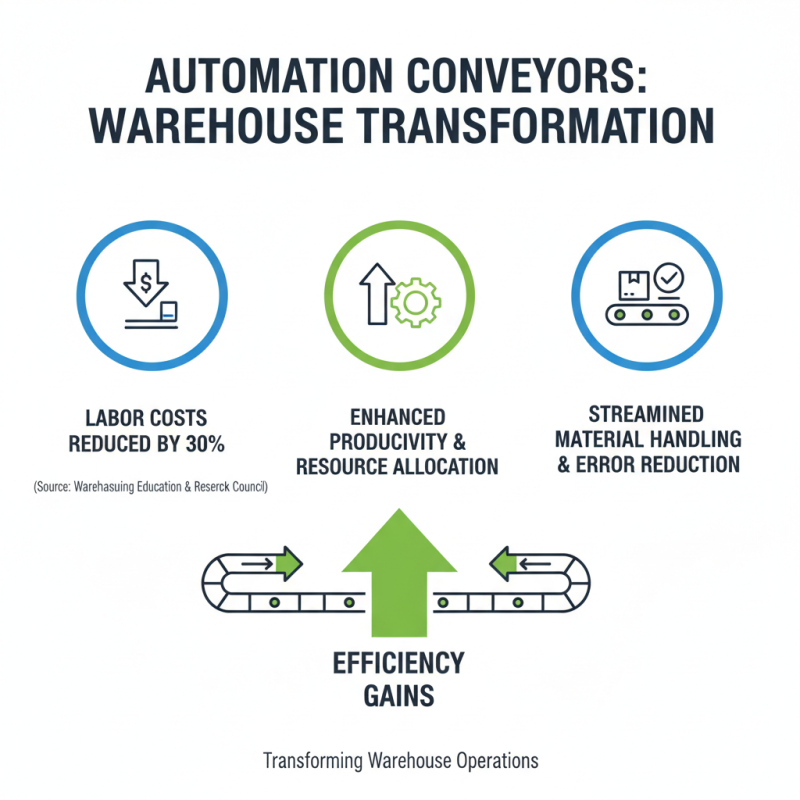
Automation conveyors are transforming warehouse operations, leading to significant efficiency gains. According to a recent report by the Warehousing Education and Research Council, automated systems can reduce labor costs by up to 30%. This reduction allows for reallocating resources to more strategic tasks, enhancing overall productivity. Automated conveyors streamline material handling, minimizing the risk of human error.
Integrating these systems also improves inventory management. A study from MHI highlights that automation can increase order accuracy by up to 99%. This accuracy reduces returns and improves customer satisfaction. However, transitioning to automation is not without challenges. Companies may encounter resistance from employees concerned about job displacement. Proper training and clear communication are essential to ease these concerns.
Additionally, while the upfront investment in automation can be considerable, the long-term gains are often worth it. A report from Gartner suggests that by 2025, 75% of warehouses will implement some level of automation. It’s crucial to weigh costs and benefits. The potential for enhanced efficiency is substantial, but careful planning is needed to make automation a success.
Future Trends in Automation Conveyor Technology and Warehouse Operations
Automation conveyor systems are evolving rapidly. Future trends are focused on enhancing efficiency. Smart sensors and AI-driven technologies are paving the way for more adaptive systems. These innovations promise real-time monitoring and adjustments. They reduce downtime and improve workflow.
A significant trend is the integration of robotics. Automated guided vehicles (AGVs) work alongside conveyors, creating a seamless operation. However, these systems require constant maintenance. There can be hiccups in communication between machines. This necessity for upkeep can challenge operational efficiency.
Moreover, data analytics plays a crucial role. Analyzing flow patterns may reveal insights for better layout designs. However, relying solely on data can also lead to overcomplication. Balancing technology and human oversight remains essential. Automation offers great potential, yet it also requires careful consideration.
Warehouse Automation Conveyor Technology Trends (2023)