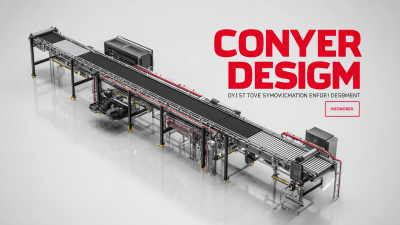
2026 Best Conveyor System Design Trends for Efficient Automation Solutions?
In the evolving landscape of automation, Conveyor System Design stands at the forefront of efficiency. Recent reports indicate that optimizing conveyor systems can enhance productivity by up to 30%. As industries embrace automation, the demand for smart conveyor solutions grows. A study by the International Federation of Robotics highlights that automated systems, including conveyors, could reduce operational costs significantly.
The trends shaping conveyor system design in 2026 will focus on sustainability and flexibility. Innovative materials and energy-efficient technologies are essential for modern conveyors. However, companies often struggle to balance cost and sustainability. This reflects a need for strategic planning in their automation journey.
It’s crucial to continuously assess the effectiveness of conveyor system designs. Trends might emerge, but real-world applications must be evaluated. Failure to adapt can lead to inefficiencies. Investing in research can uncover new insights, ensuring systems evolve with industry needs. Ultimately, understanding the intricacies of Conveyor System Design will define successful automation strategies in the future.
Key Features of Innovative Conveyor System Designs for 2026
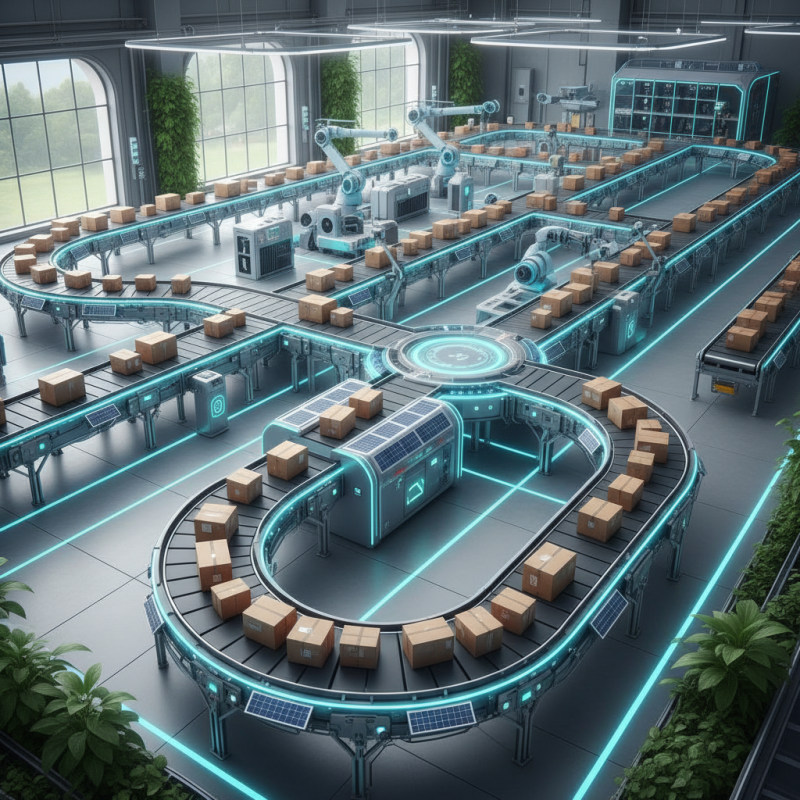
In 2026, conveyor systems are set to evolve significantly. Innovative designs will focus on flexibility and adaptability. Modular components will allow for easy reconfiguration. This feature lets businesses adjust to changing needs seamlessly. Manufacturers will also prioritize energy efficiency. Materials used in design will focus on reducing waste and energy loss.
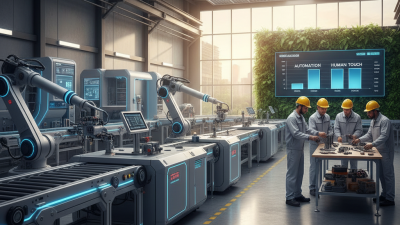
Smart technology integration will play a crucial role. Conveyor systems will feature sensors that monitor performance in real time. This data can identify inefficiencies. Companies may struggle with implementation, though. The learning curve can be steep, and investments in technology can be daunting. Moreover, automation can lead to gaps in workforce skills.
Sustainability will also be a key trend. Eco-friendly materials and manufacturing processes will become more common. Conveyor systems may need to balance cost and sustainability. Businesses may find this challenging, especially in a competitive market. Continuing to innovate while being environmentally conscious is essential but complex. This dichotomy will require careful consideration and ongoing reflection.
Integration of Smart Technologies in Conveyor Systems for Automation
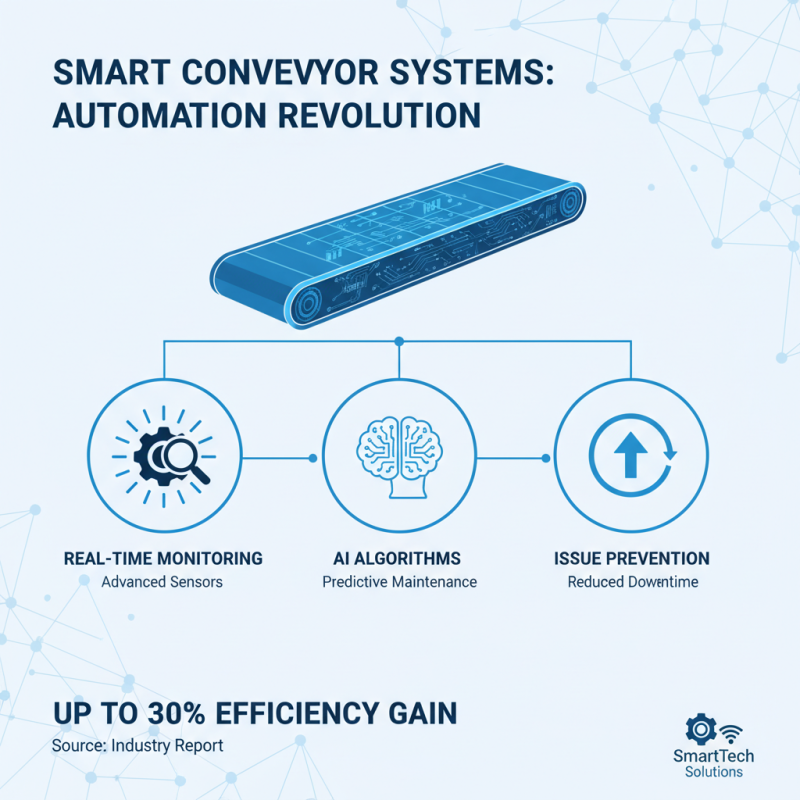
The integration of smart technologies in conveyor systems is transforming automated processes. Advanced sensors and AI algorithms enable real-time monitoring. This helps identify potential issues before they escalate. According to a recent industry report, companies using smart conveyor systems report efficiency gains of up to 30%.
These systems use data analytics to optimize routing and reduce delays. For example, smart conveyors can adjust speed based on load variations. Yet, challenges remain. Many businesses struggle with integrating these technologies into existing setups. Training staff to manage new systems is often overlooked.
The shift towards automation requires a change in mindset. While benefits are clear, short-term disruptions can occur. A study found 40% of companies had unanticipated downtime during transitions. Embracing smart conveyor technology is essential, but also requires patience and foresight.
Sustainability Trends in Conveyor System Design for Eco-Friendly Solutions
Sustainability is a driving force in modern conveyor system design. Many companies now seek eco-friendly solutions that reduce waste. These trends focus on materials and processes that lessen environmental impact. Using recyclable materials is one key aspect. Conveyor belts made from biodegradable components are gaining popularity. This shift is vital for reducing plastic pollution.
Energy efficiency is another crucial trend. Systems designed to minimize energy consumption can lead to significant savings. Innovative technologies enable conveyor belts to work seamlessly, reducing energy use. Automated sensors help monitor and regulate energy, allowing industries to detect inefficiencies. However, achieving perfect efficiency remains a challenge, and companies need to continually evaluate their processes.
Moreover, the integration of smart technology plays a pivotal role. IoT-enabled conveyors allow for real-time data analysis. This enhances operational efficiency and helps companies identify potential issues early. Despite these advancements, many systems still have room for improvement. Regular assessments can ensure these systems remain on the cutting edge of sustainability. The journey toward eco-friendly conveyor systems is ongoing, requiring constant innovation and reflection.
Emerging Materials and Technologies Shaping Future Conveyor Systems
The future of conveyor systems is being shaped by emerging materials and technologies. Lightweight materials are gaining traction in design. These materials reduce energy consumption and improve efficiency. For instance, polymer-based components are replacing metals in specific applications. This shift enhances flexibility and allows for innovative designs.
Another key trend is the integration of smart technologies. Sensors and IoT devices are now commonplace. They provide real-time data, improving maintenance and operational efficiency. However, the challenge remains in data management. Companies often struggle with the volume of information generated. Streamlining data analysis is crucial for leveraging these technologies fully.
Tips: Focus on scalability when designing conveyor systems. Adaptable solutions can accommodate future growth. Also, consider the environmental impact of material choices. Sustainable practices are becoming non-negotiable in design.
As new materials and advanced tech emerge, not all solutions will work seamlessly. Some may encounter compatibility issues or unforeseen wear. It's essential to test thoroughly. Continuous feedback loops can enhance system performance over time.
2026 Conveyor System Design Trends