Best Industrial Conveyors for Efficient Material Handling?
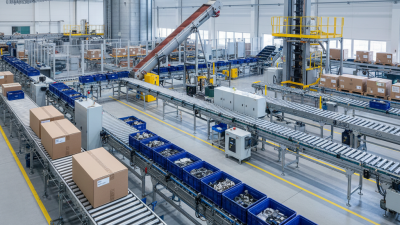
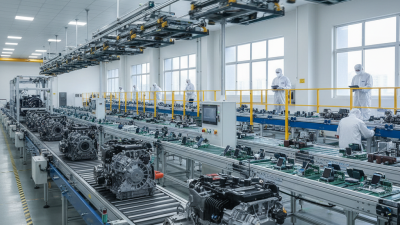
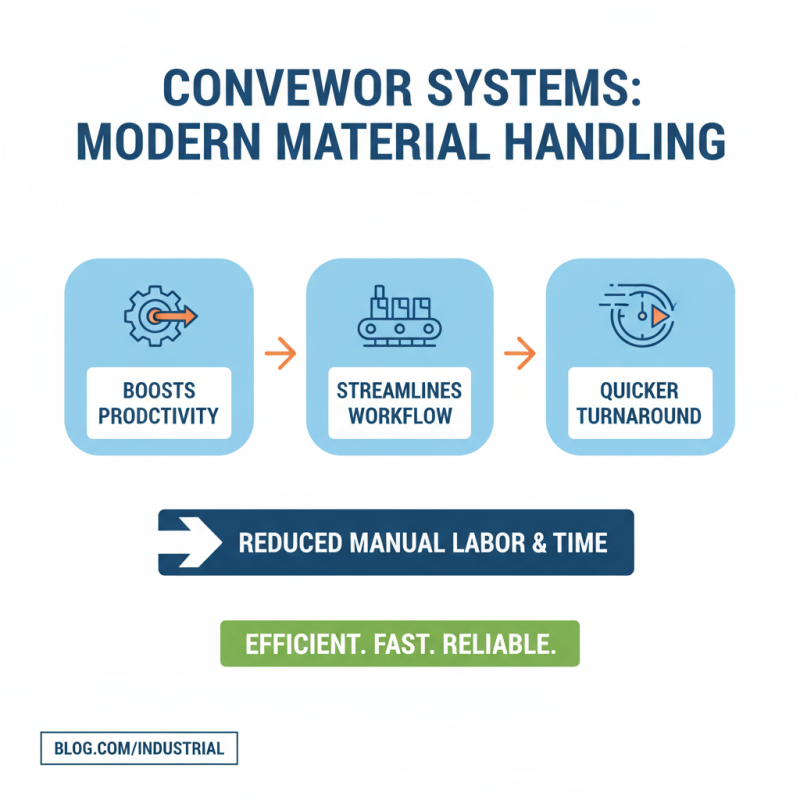
Industrial conveyors play a crucial role in enhancing material handling efficiency across various industries. These systems streamline the movement of goods, minimizing manual labor and reducing operational costs. By automating processes, industrial conveyors increase productivity, allowing businesses to meet demanding schedules.
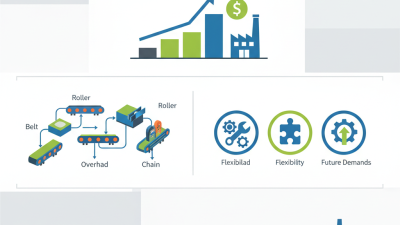
Different types of industrial conveyors, such as belt, roller, and chain, each offer unique advantages. Belt conveyors are versatile and suitable for transporting bulk materials. Roller conveyors are great for moving items of varied sizes. However, choosing the right conveyor system is not always straightforward. Factors like load capacity, operational environment, and product type can complicate decisions.
Selecting the best industrial conveyors requires careful consideration of specific needs. Often, companies may overlook important details, leading to inefficient setups. It’s important to analyze both short-term and long-term goals. What works now may not be ideal in the future. Balancing efficiency with adaptability is key to successful material handling.
The Importance of Industrial Conveyors in Material Handling Efficiency
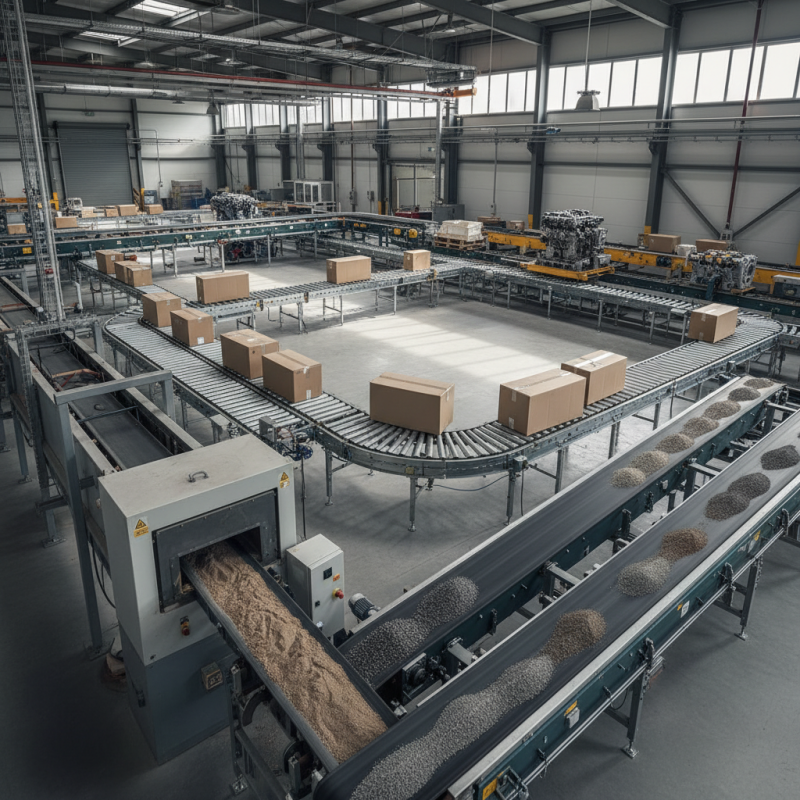
Industrial conveyors play a crucial role in enhancing material handling efficiency. They automate the movement of goods, reducing the need for manual labor. This leads to increased productivity in various industries. With the right conveyor system, companies can transport products quickly and safely. It minimizes the risk of injuries often linked to manual handling.
However, choosing the correct conveyor is not always straightforward. Companies must assess their specific needs, such as the types of materials to be moved and the scale of operations. Some systems might be too complex for smaller operations. Others could be insufficient for large-scale production. Inadequate planning often results in bottlenecks, hindering overall efficiency.
A well-designed conveyor system maximizes space and reduces transit times. Features like adjustable speeds and customizable paths can significantly enhance performance. But, if ignored or poorly maintained, even the best systems can lead to delays. Regular checks and employee training on equipment use are vital. This integration of technology and human operation often requires careful thought and revision.
Best Industrial Conveyors for Efficient Material Handling
| Conveyor Type |
Max Load Capacity (lbs) |
Speed (ft/min) |
Material |
Efficiency Rating |
| Belt Conveyor |
2000 |
100 |
Rubber |
High |
| Roller Conveyor |
1500 |
150 |
Steel |
Medium |
| Chain Conveyor |
3000 |
80 |
Plastic |
High |
| Magnetic Conveyor |
1200 |
60 |
Aluminum |
Medium |
| Vibrating Conveyor |
1000 |
70 |
Steel |
High |
Types of Industrial Conveyors: A Comprehensive Overview
In the world of industrial material handling, conveyors play a vital role. They improve productivity and efficiency, which is crucial. This is especially important in sectors like manufacturing and warehousing. A report by Technavio highlights that the global conveyor systems market is expected to grow by about $7 billion by 2024. This growth indicates a rising demand for efficient material handling solutions.
Various types of conveyors are available, each suited for specific tasks. Belt conveyors are commonly used for transporting bulk materials. Roller conveyors allow for easy movement of packaged goods. According to a study from Research and Markets, pallet conveyors will gain popularity, driven by the rise in e-commerce. However, there are challenges, such as maintenance and energy consumption. These aspects need careful consideration.
Not every conveyor system is perfect for every industry. Choosing the wrong type can lead to inefficiencies. It's essential to evaluate specific needs before making a choice. The initial investment might seem high, but the return on efficiency can be significant. Each system has its pros and cons, making proper assessment critical for successful implementation.
Best Industrial Conveyors for Efficient Material Handling
This chart represents various types of industrial conveyors and their respective efficiency in material handling. The data shows the estimated efficiency rating on a scale of 1 to 10 based on operational capacity and versatility.
Key Features to Consider When Selecting Industrial Conveyors
When selecting industrial conveyors, several key features come into play. The type of material being handled is crucial. For instance, bulk materials may require heavy-duty belts, while smaller items might work better on roller conveyors.
Understanding the specific needs of your operation can make a significant difference in efficiency.
Another factor to consider is the conveyor's speed. This impacts productivity and workflow. If the speed is too slow, it could lead to bottlenecks. Meanwhile, too fast might cause items to fall or jam. Finding the right balance requires careful evaluation.
Additionally, maintenance needs should not be overlooked. Some conveyors require frequent servicing. Others are designed for minimal upkeep. Evaluate your maintenance capacity to avoid operational interruptions. It's important to reflect on these elements to make an informed decision.
Future Trends in Industrial Conveyors and Material Handling Solutions
The future of industrial conveyors and material handling solutions is promising yet challenging. Innovations are driving efficiency. According to recent market studies, the global conveyor systems market is expected to reach $7 billion by 2026, growing at a CAGR of 4.5%. This reflects the increasing demand for automation in warehouses and factories.
Integration of AI and IoT technologies is transforming how goods move. Smart conveyors can track performance and predict maintenance needs. For instance, companies are using sensors to monitor loads and adjust speeds in real time, reducing delays. Despite these advancements, some businesses struggle to adopt these technologies. Resistance to change, training gaps, and initial costs can hinder progress.
Sustainability is another important trend. Many companies are focusing on eco-friendly materials and energy-efficient designs. Reports indicate that up to 30% of energy can be saved through optimized conveyor systems. However, implementing these green solutions can be complex and costly. It requires significant investment in research and development. The industry's future hinges on overcoming these obstacles while maximizing the benefits of new technologies.