Best Storage Conveyor System for Efficient Warehousing Solutions?
In the fast-paced world of warehousing, efficiency is key. A well-designed Storage Conveyor System can significantly reduce time and labor costs. Industry expert James Rivers emphasizes, “The right conveyor system transforms warehouse operations, making them remarkably efficient.” Choosing the best system is crucial for optimizing workflows.
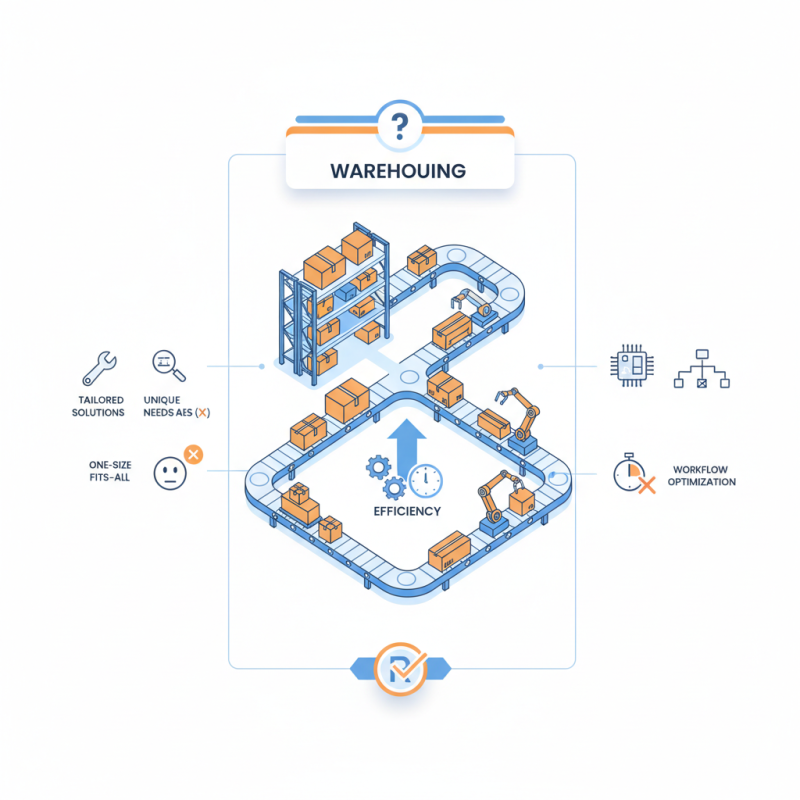
Many companies overlook the importance of a tailored solution. Each warehouse has unique needs that must be addressed to enhance performance. A one-size-fits-all approach rarely works. Instead, focusing on specific requirements can yield better results.
Moreover, integrating technology into these systems can lead to challenges. For example, selecting the wrong type of conveyor can cause delays. It demands careful consideration and planning. Evaluating existing workflows and potential bottlenecks should guide your choices. Refinement is essential in creating a truly efficient Storage Conveyor System.
Types of Storage Conveyor Systems and Their Applications
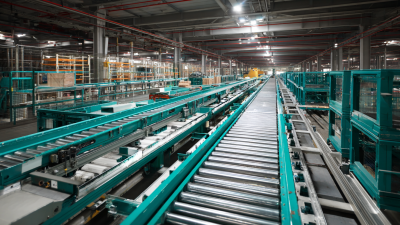
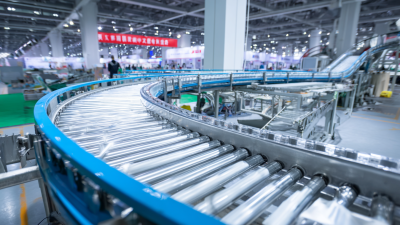
Storage conveyor systems come in various types, each tailored for specific applications. The most common types include belt conveyors, roller conveyors, and modular conveyors. Belt conveyors are ideal for moving bulk items. They ensure a smooth transition across longer distances. However, they may struggle with heavy loads.
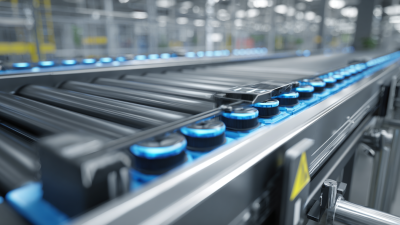
Roller conveyors, on the other hand, are suited for transporting heavy and bulky goods. They allow for manual loading and unloading, which provides flexibility. Yet, this type can require more maintenance. Modular conveyors adapt easily to changing warehouse layouts, making them versatile. Nevertheless, they may have a higher initial setup cost.
These systems play a crucial role in warehousing efficiency. Proper selection is vital. Each type has strengths and weaknesses that could impact operations. Assessing the specific needs of your warehouse is important. Reflecting on past systems can provide valuable insights. Addressing the challenges of existing systems may lead to better choices in the future.
Best Storage Conveyor System for Efficient Warehousing Solutions
| Type of Conveyor System |
Application |
Advantages |
Ideal Industries |
| Roller Bed Conveyor |
Heavy loads & pallet handling |
Durable, low-maintenance |
Manufacturing, Warehousing |
| Belt Conveyor |
General transport of goods |
Versatile, smooth operation |
Food, Packaging |
| Chain Conveyor |
Heavy-duty transport |
Strong, reliable for heavy loads |
Automotive, Heavy Industry |
| Vertical Conveyor |
Moving goods between floors |
Space-saving, efficient |
Food, Logistics |
| Overhead Conveyor |
Conveying items in a limited space |
Maximizes floor space, flexible layout |
Furniture, Automotive |
Factors to Consider When Choosing a Storage Conveyor System
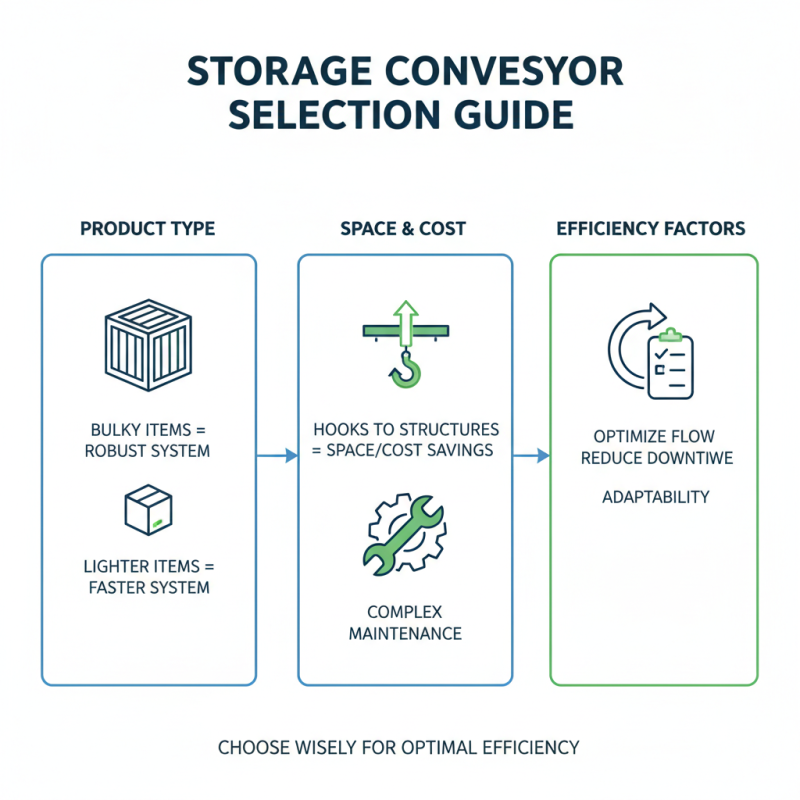
When selecting a storage conveyor system, consider factors that affect efficiency. The type of products being handled is crucial. Bulky items require robust systems, while lighter products can utilize smaller, faster conveyors. A system that hooks onto existing structures might save space and costs. However, it could complicate maintenance.
Consider the layout of the warehouse. Is it large and open, or compact and filled with goods? A system that fits well will aid in workflow. If space allows, think about using modular designs. They can adapt to future needs easily. Flexibility is often overlooked but can prevent costly modifications later.
Don’t forget to assess the speed of the conveyor. A faster system can enhance productivity, but it might increase errors or accidents. Balancing speed with safety is key. Communication with staff about the new system is essential. Training can reduce mistakes, enhancing overall efficiency.
Benefits of Implementing Conveyor Systems in Warehousing
Implementing conveyor systems in warehousing brings several benefits. According to a recent industry report, companies that utilize these systems can increase their operational efficiency by up to 30%. This enhancement leads to faster processing times and reduced labor costs. In a world where every second counts, improving throughput is crucial.
Conveyor systems also mitigate the risk of workplace injuries. Manual handling poses significant safety concerns, accounting for approximately 30% of all workplace injuries. Automated processes can reduce these risks by minimizing human involvement in material transport. Additionally, warehouses that embrace automation report a notable decrease in employee turnover rates. Workers prefer environments where technology supports them.
Yet, challenges exist. Initial costs can be high, making it hard for smaller businesses to adopt. Furthermore, some systems require regular maintenance, which can lead to unexpected downtime. Companies must assess their needs carefully. Balancing efficiency with cost is not straightforward but essential for long-term success. Investing in the right conveyor system can yield substantial rewards, yet it demands thoughtful planning and execution.
Maintenance and Management of Storage Conveyor Systems
Maintenance of storage conveyor systems is crucial for optimal performance. Regular inspections can uncover potential issues before they escalate. Dust, debris, and wear can hinder operations. Keeping conveyor belts clean is an ongoing responsibility. Lubrication of moving parts is essential. It reduces friction and prolongs the system's lifespan.
Effective management of these systems involves training staff. Workers must understand how to operate equipment safely. Familiarity with emergency procedures is vital. Regular training sessions can minimize human errors. However, maintenance schedules can often be overlooked. Implementing reminders and checklists can help ensure no step is missed.
Sometimes, issues arise unexpectedly. A sudden breakdown can halt operations. Having a contingency plan is beneficial. It can save time and resources. Additionally, analyzing failure patterns can provide insights for better reliability. Systems should evolve alongside the technological advancements. Being proactive rather than reactive leads to smoother operations.
Case Studies of Successful Warehouse Conveyor Implementations
In modern warehousing, conveyor systems play a crucial role in enhancing efficiency. One notable case study involves a mid-sized distribution center. They faced delays due to manual handling, which slowed operations. After implementing a new conveyor system, order processing sped up remarkably. Items moved seamlessly, reducing worker fatigue and errors.
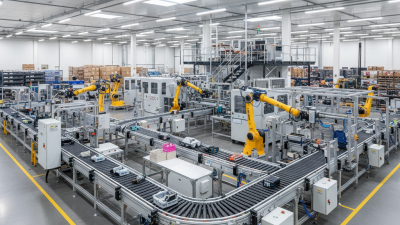
Another example shows a large-scale warehouse struggling with inventory management. The existing manual methods led to frequent stock discrepancies. By integrating an automated conveyor system, the warehouse streamlined sorting and storing. The new setup allowed employees to focus on quality control rather than routine tasks. However, challenges arose during implementation, such as training staff and adjusting workflows.
These examples highlight both successes and pitfalls. Conveyor systems offer significant advantages but must be customized to fit each unique environment. Slipping into complacency with outdated methods can lead to inefficiencies. The key lies in continual assessment and adaptation to ensure optimal performance.