What is the Best Storage Conveyor System for Your Needs?
In the ever-evolving landscape of logistics, selecting the right Storage Conveyor System is crucial for efficiency. John Smith, a renowned expert in industrial automation, emphasizes, “The right conveyor system can transform your workflow and boost productivity.”
When businesses consider a Storage Conveyor System, they often face overwhelming choices. Each option offers different capacities and functionalities. Understanding the specific needs of a warehouse is essential for making an informed decision. This complexity can lead to confusion, requiring deeper assessment.
A poorly chosen system can hinder operations rather than enhance them. It's vital to analyze factors like space, product types, and throughput. Reflect on how past decisions shaped current outcomes. Tailoring your Storage Conveyor System to precise needs can unlock its full potential. Engage with experts to navigate this intricate process safely.
Types of Storage Conveyor Systems: An Overview
Storage conveyor systems play a crucial role in warehouse efficiency. Understanding the different types available can help you make an informed decision. There are several key types of systems to consider.
Gravity conveyors use the force of gravity to move items. They are simple and efficient. Ideal for smaller loads, these systems are cost-effective.
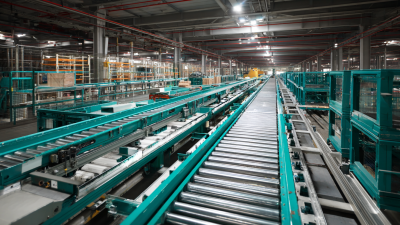
Roller conveyors are more versatile. They accommodate various package sizes. They require minimal maintenance and can run continuously.
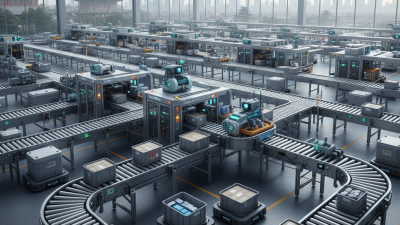
Automated systems are gaining popularity. They enhance productivity and reduce labor costs. However, they may require higher initial investments. It's vital to assess your workflow needs. Consider space constraints, load types, and desired speed.
Weighing these factors will ensure you select the best system. Each type has its strengths and weaknesses. Reflecting on these nuances can drive better choices tailored to your business.
Key Factors to Consider When Choosing a Storage Conveyor System
Choosing the right storage conveyor system involves understanding several key factors. First, assess the type of products you handle. Are they large or small, heavy or light? This affects the conveyor's design. For instance, belts may suit lighter items, while rollers work better for heavier loads.
Capacity is another crucial element. Calculate the volume of items to be stored and moved. Ensure the conveyor can handle peak demands. Consider the speed as well. Faster systems improve efficiency, but also increase wear and tear. Regular maintenance is essential for long-term reliability.
Don't overlook space constraints. Analyze your storage layout. Some systems require more room than others. Finding a balance between space and efficiency can be challenging. Finally, think about scalability. Your needs may change, so choose a system that can adapt. Planning for future expansion is wise. It allows flexibility without a complete overhaul.
Storage Conveyor System Evaluation
This bar chart represents the evaluation factors to consider when choosing a storage conveyor system, rated on a scale of 1 to 10. Key characteristics such as Cost Efficiency, Space Utilization, Flexibility, Speed, Maintenance, and Load Capacity are crucial in determining the best system for your needs.
Comparative Analysis of Popular Storage Conveyor Brands
When choosing a storage conveyor system, understanding various brands is crucial. A recent industry report indicates that companies often overlook the specific needs of their operation. This can lead to inefficient workflows and increased operational costs. An in-depth analysis highlights that systems should be evaluated based on their capacity, speed, and reliability.
One popular feature is modularity. Modular systems allow for easy adjustments as needs change. For instance, a company's storage needs might evolve. An inflexible system could hinder growth. Furthermore, some brands have reported on average a 15% increase in efficiency after integrating modular systems. There’s an evident trend toward automation. Automated storage systems promise faster processing times, contributing to smoother operations.
Yet, data suggests that not all brands meet expectations. Several users reported difficulties with maintenance and support. A survey from industry insiders found that approximately 25% of users were dissatisfied with after-sales service. This presents a reflection point. Choosing the right system isn't merely about price. Long-term support and adaptability can drastically impact overall satisfaction and utility.
Costs and Budgeting for Storage Conveyor Systems
When considering a storage conveyor system, evaluating costs is crucial. A well-planned budget can significantly impact your operations. You must account for initial purchase costs, installation fees, and ongoing maintenance. Often, hidden expenses arise. For example, energy costs could escalate if the system is not energy-efficient. Regular maintenance is essential to avoid costly breakdowns.
Start by defining your needs. Are you handling heavy pallets or light packages? The type of items you store affects costs significantly. Analyzing your inventory flow helps in making informed choices. You must consider the scalability of your system. Investing in a flexible system can save money in the long run. Unplanned expansions can lead to higher costs and operational disruptions.
Don’t overlook the importance of expert consultation. Engaging with professionals can clarify your requirements and uncover potential pitfalls. Sometimes, the cheapest option may lead to expensive repairs. Investing in quality pays off over time. It's also vital to compare multiple quotes and features. A thorough analysis might reveal that budget solutions lack essential functionalities.
Maintenance and Lifespan of Different Conveyor Systems
When evaluating conveyor systems, maintenance and lifespan are crucial considerations. Different systems have varying maintenance needs, significantly impacting their durability. Automated conveyors usually require less frequent upkeep, while manual systems can demand more attention due to wear and tear. Regular inspections can extend the life of any system. Keep an eye on belts and rollers for any signs of damage.
Tips: Create a routine maintenance checklist. Include daily inspections and monthly deep dives. Address minor issues early to prevent costly repairs later on.
Lifespan varies with usage and environment. A well-maintained conveyor may last over 10 years. However, neglect can shorten this duration dramatically. Factors like humidity, dust, and load capacity affect longevity. It’s essential to understand your operational demands for optimal performance.
Tips: Document all maintenance activities. This tracking not only helps in timely servicing but also aids in understanding patterns of wear and tear. Comparing usage against manufacturer recommendations can highlight areas needing attention.