How to Choose the Right Conveyor Equipment for Your Business?
Choosing the right Conveyor Equipment is crucial for business efficiency. The global material handling equipment market is projected to reach $250 billion by 2026. This growth highlights the importance of selecting suitable conveyors. Effective equipment reduces downtime and increases productivity.
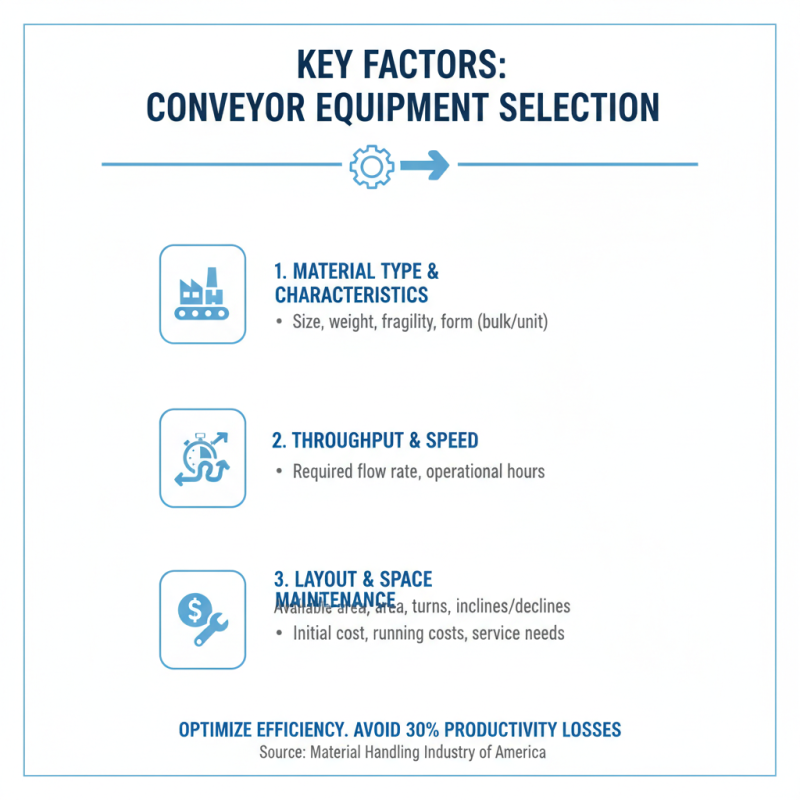
Businesses face challenges in choosing the right conveyor type. Consider factors like load capacity, speed, and layout. According to industry reports, over 40% of companies report inefficiencies due to improper equipment choices. Each conveyor system has unique qualities that impact performance.
Investing in suitable conveyor equipment can transform operations. However, many businesses struggle with this decision. Reflecting on past choices may unveil costly mistakes. Prior research and expert consultation are vital in finding the best solutions.
Types of Conveyor Equipment Available for Various Industries
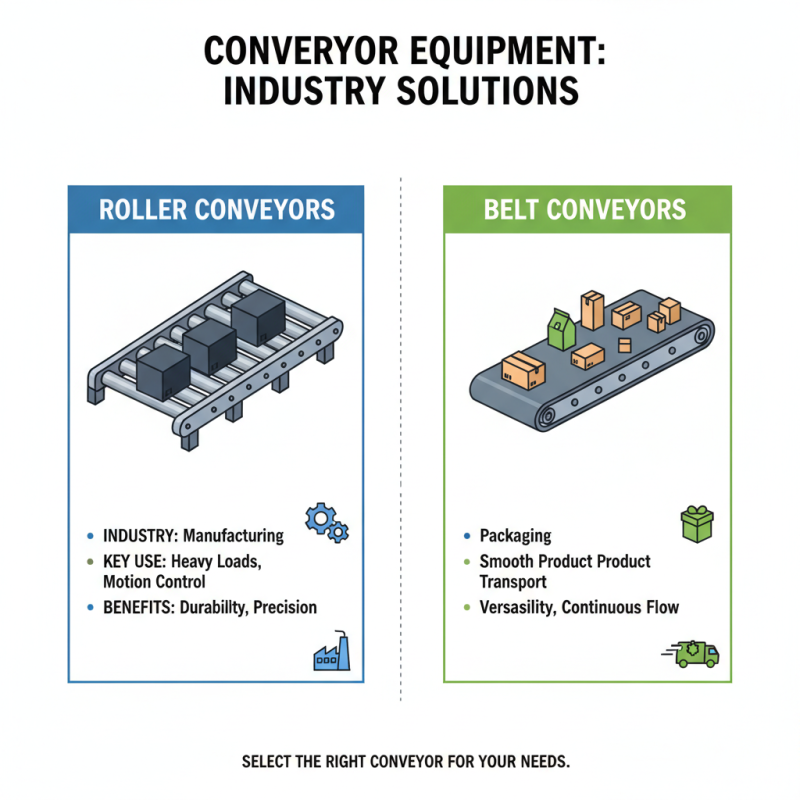
When selecting conveyor equipment, understanding the types available is crucial. Various industries utilize different types of conveyors to suit their specific needs. For instance, roller conveyors are popular in manufacturing. They provide excellent motion control and allow for heavy loads. Belt conveyors, on the other hand, are commonly found in packaging. They offer a continuous surface that moves products smoothly.
In the food industry, modular conveyors are often employed. These systems are easy to clean and adaptable. They often come with adjustable speeds and can handle multiple product sizes. However, it's common for businesses to underestimate the need for maintenance. Regular checks are essential to avoid costly downtimes. If not managed well, these systems can lead to inefficiencies.
For warehouses, automated guided vehicles (AGVs) are becoming popular. They enhance productivity by transporting goods across large areas without human intervention. Yet, there can be a steep learning curve. Staff may struggle with technology integration at first. This could lead to delays in operations. Choosing the right system requires careful consideration of these factors.
Evaluating Your Business's Specific Material Handling Needs
When evaluating your business's specific material handling needs, begin by assessing the types of materials you handle.
Statistical data shows that nearly 70% of warehouses utilize some form of conveyor equipment.
Understanding the weight, size, and fragile nature of these materials is essential. A miscalculation here can lead to unnecessary equipment wear or inefficiencies.
Next, consider the layout and flow of your operations.
A report from the Material Handling Industry of America indicates that effective conveyor systems can increase productivity by up to 30%.
However, if your layout is not optimized for your equipment, that potential can be lost. Think about the space allocation and if the conveyor aligns with the workflow. It’s common to overlook these details, leading to awkward adjustments down the line.
Finally, reflect on the future scalability of your operations. The demand for adaptability in material handling is climbing, with studies showing that 45% of businesses plan to expand their automation in the next few years.
Choosing equipment that can grow with your needs is crucial but often underestimated. It’s vital to project future needs to avoid costly upgrades or replacements.
Assessing Conveyor Equipment Durability and Maintenance Requirements
When selecting conveyor equipment, durability and maintenance are key factors to consider. Durable conveyors can handle heavy loads and resist wear over time. In contrast, choosing low-quality equipment may lead to frequent breakdowns and high replacement costs. It’s crucial to assess the materials used in the construction of the conveyor. Steel and high-grade plastics often provide better longevity.
Maintenance requirements vary significantly among different conveyor systems. Some may need regular lubrication, while others require less attention. A conveyor that demands constant upkeep can strain your resources. Think about the expertise of your staff as well. Technical knowledge is vital for maintaining complex systems. Investing in user-friendly equipment may save time and money.
During the selection process, reflect on your business’s specific needs. A conveyor that works well in one industry might not be suitable for another. Be wary of overselling features that you may never use. It's easy to get caught up in flashy specifications but remember to prioritize what actually enhances your operations.
Assessing Conveyor Equipment Durability and Maintenance Requirements
This chart compares three different types of conveyor equipment based on their durability, maintenance requirements, and failure rates. Selecting the right equipment can significantly affect operational efficiency.
Cost Analysis: Budgeting for Conveyor Equipment Acquisition and Operation
When budgeting for conveyor equipment, you must analyze various costs. Start with the initial purchase price. Look at standard models and custom options. Customizations often raise costs significantly. Factor in delivery and installation expenses too. These can be substantial, especially for large systems.
Next, consider the operational costs. Energy consumption is vital to your budget. Some conveyors are more efficient than others. Maintenance costs should also be on your radar. Regular upkeep prevents costly breakdowns. Unexpected repairs can strain finances.
Don't forget about training costs for staff. New equipment may require new skills. Also, consider the space where the conveyor will operate. Sometimes, modifications to your facility are necessary. These costs can add up quickly. Keep all these factors in mind. It’s easy to overlook details during budgeting. A comprehensive analysis can help avoid financial surprises later on.