Choosing the right industrial conveyors can significantly impact operational efficiency. According to Mark J. Daniels, a leading expert in conveyor technology, “Selecting the appropriate conveyor system is vital for productivity.” His insights reflect the critical nature of making informed choices in this field.
Industrial conveyors vary widely in design and function. They are used in diverse settings, from manufacturing to packaging. Companies often overlook specific needs when selecting conveyors. This oversight can lead to inefficiencies and increased operational costs. Inadequate research might result in selecting a conveyor system that doesn’t fit properly with existing workflows.
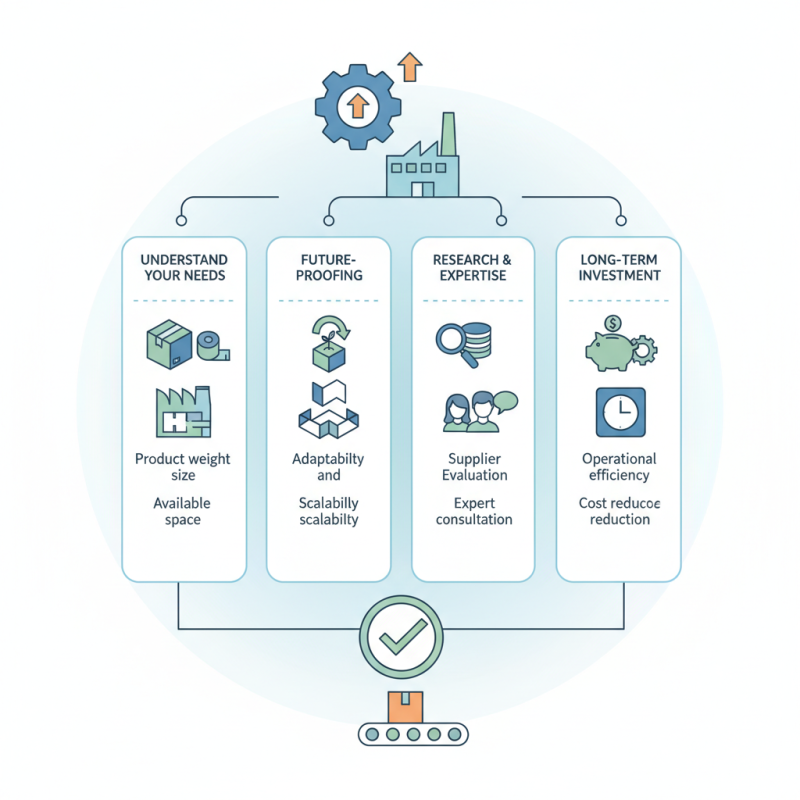
When considering industrial conveyors, many factors come into play. Understanding product weight, size, and the space available is vital. Moreover, companies must reflect on whether the conveyors can adapt to future needs. Researching suppliers and seeking expert opinions enhances the decision-making process. Investing time into studying these aspects is crucial.
Choosing the right industrial conveyor for your facility requires careful consideration. Start with your specific operational needs. What materials are you transporting? Consider their size, weight, and fragility. This factor alone can greatly influence the type of conveyor system you need. For example, a heavy bulk material requires a different approach than delicate products.
Next, look at the layout of your facility. The available space plays a crucial role in your selection. Do you have room for a traditional belt conveyor, or do you need a compact solution? Understanding your facility’s geometry allows for a more efficient workflow. Don’t forget to evaluate the potential for future expansion. Your current choice might feel right, but what about the needs of tomorrow?
Also, think about the maintenance and operational costs. While some conveyors may seem economical initially, hidden costs can affect your budget. Long-term reliability is a key area for reflection. Will the conveyor withstand continuous use? Consulting with professionals in the industry can provide valuable insights. A conveyor system should fit your facility like a tailored suit, not a one-size-fits-all solution.
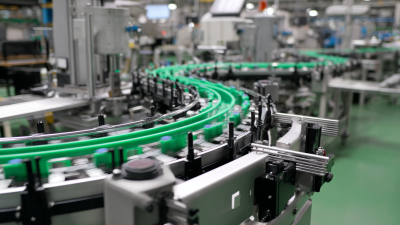
When selecting industrial conveyors, it's essential to understand the various types available. Each type has distinct benefits and limitations that can affect operational efficiency. For example, belt conveyors are popular for their simplicity. They are capable of moving bulk materials over long distances. However, they may not be ideal for all types of products, particularly small or irregular items.
On the other hand, roller conveyors can provide more versatility. They allow for easier movement of items, especially in warehouses and manufacturing plants. Yet, they also present challenges. Items can fall off if not properly guided. This can lead to downtime and potential safety hazards.
Chain conveyors are another option, especially for heavy loads. They offer robustness and reliability but can be more expensive to maintain. Users must evaluate what matters most for their operations. Weighing benefits against limitations is crucial for effective decision-making.
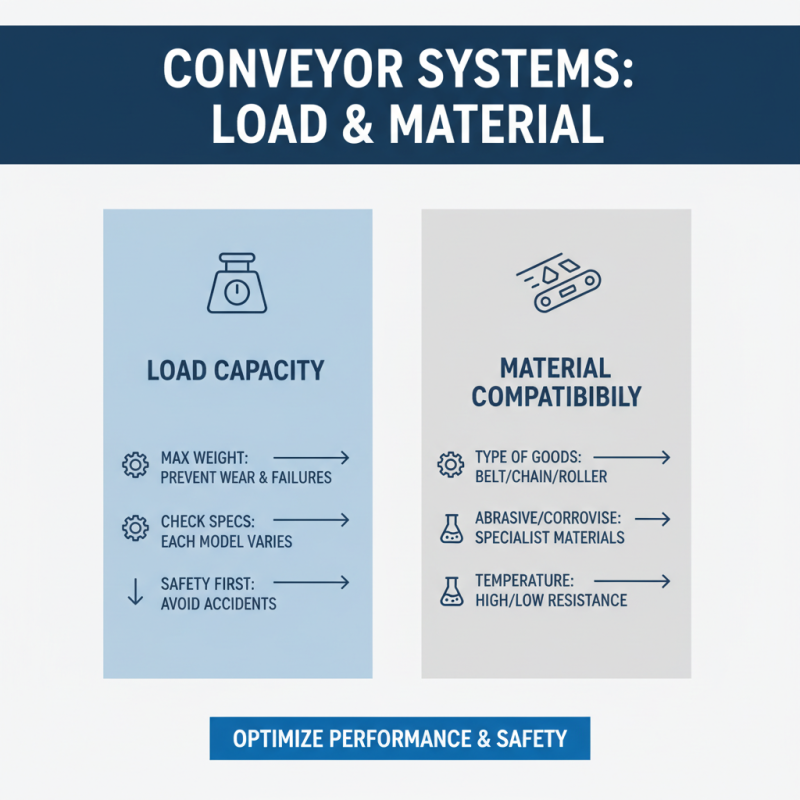
Choosing the right industrial conveyor system involves careful evaluation of load capacity and material compatibility. Understanding how much weight a conveyor can handle is critical. Exceeding the load limit can lead to premature wear and safety issues. It's essential to consult technical specifications. Each conveyor model varies in load capacity.
Material compatibility is just as important. Different materials can affect performance. Some materials may stick or wear down conveyor belts. For instance, abrasive materials require more robust components. During the selection process, consider the environment where the conveyor will operate. Factors like temperature and potential exposure to chemicals can influence material choices.
There can be gaps in information when selecting conveyors. Manufacturers may not provide complete details on load limits or material interactions. This ambiguity can lead to oversights. It's wise to gather data from multiple sources. Testing and feedback from existing systems can enhance decision making. Always question the assumptions made during the selection process to ensure reliability and efficiency.
When selecting industrial conveyors, safety should always be a priority. Understanding applicable safety standards is crucial for protecting employees and assets. Compliance with regulations like OSHA can ensure a safer working environment. Regular assessments and updates of safety measures help in achieving this goal.
Ensure that the conveyors you choose feature safety guards. These guards can prevent accidents and injuries. Additionally, consider conveyors with automatic shut-off systems. These features can mitigate risks during operation.
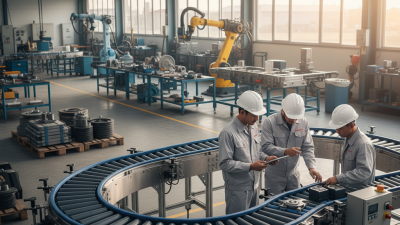
Proper training is essential. Operators should know how to handle equipment safely. Regular training sessions reinforce safety protocols. Evaluate the layout of your facility as well. Space constraints can affect conveyor operation and safety. Always keep safety as a central theme in your selection process.
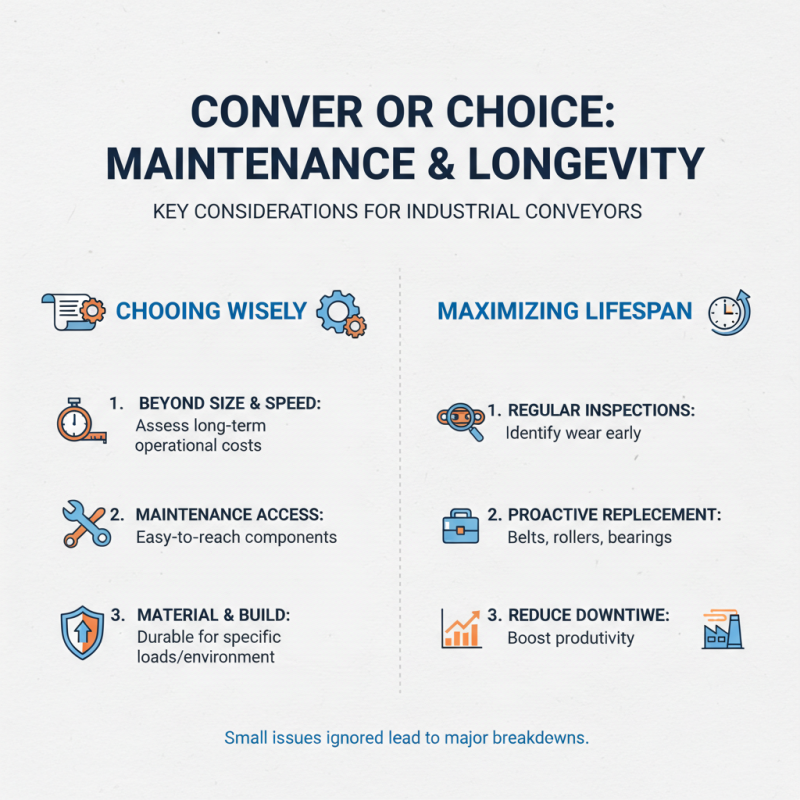
Choosing the right industrial conveyor isn't just about size and speed. Maintenance plays a crucial role in ensuring longevity. A well-maintained conveyor reduces downtime and enhances productivity. Regular inspections are essential. Check for wear and tear on belts and rollers frequently. Small issues can lead to major breakdowns if ignored.
Another key consideration is the material used in the conveyor system. Different materials have varying resistance to environmental factors. For example, aluminum may corrode, while stainless steel could last longer in specific settings. Look for conveyors designed for your operational environment. Evaluate the cleaning and lubrication needs. Some systems may require extensive upkeep, which could increase operational costs.
Investing in training for operators and maintenance staff can pay off significantly. Knowledgeable staff can detect issues early and apply the right solutions. With proper training, the risk of human error diminishes. Always stay updated on best practices for conveyor maintenance. Regularly revisit maintenance schedules and adapt them as needed. A proactive approach yields better results than a reactive one.