What is Conveyor and Automation Solutions for Global Buyers?
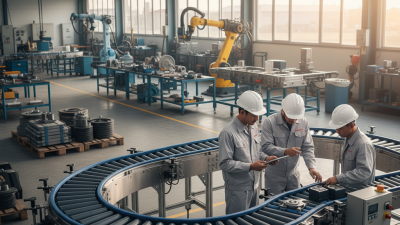
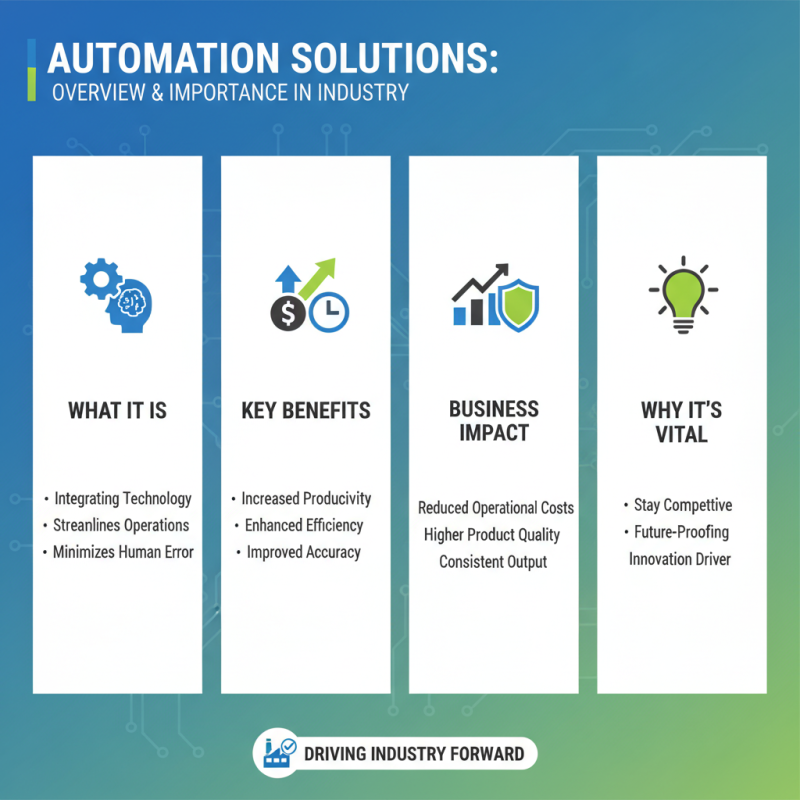
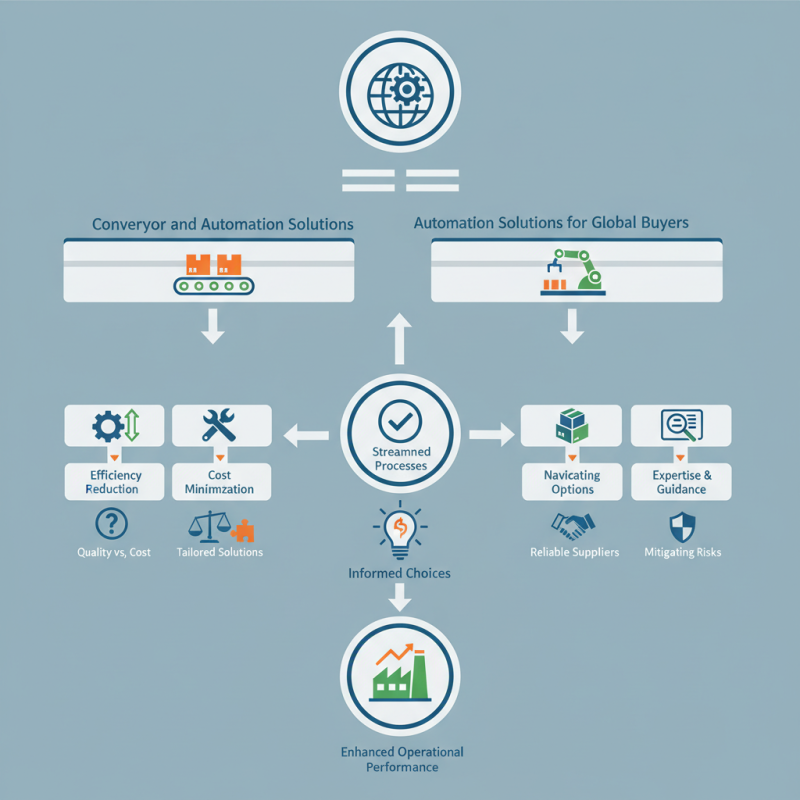
In today's dynamic industrial landscape, "Conveyor And Automation" systems play a pivotal role in enhancing operational efficiency. These solutions streamline processes, reducing labor costs and minimizing human errors. For global buyers, understanding these systems is crucial. They must navigate various options, balancing quality and cost.
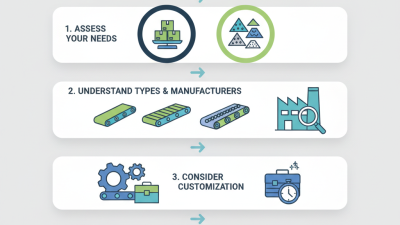
The complexity of conveyor and automation solutions can be daunting. Buyers often face challenges in selecting the right equipment. Each application may require tailored solutions. Experience and expertise in the field become invaluable. Reliable suppliers provide guidance, ensuring that systems meet operational needs. However, not all providers uphold the same standards.
Investing in conveyor and automation technologies is a decision worth careful consideration. The documents might boast impressive statistics, but the real-world performance can differ. Users should reflect on past experiences and learning curves. Engaging with reputable experts helps mitigate risks and fosters informed choices.
Understanding Conveyor Systems: Types and Functions
Conveyor systems play a vital role in various industries. They streamline the movement of products, reduce manual labor, and enhance efficiency. In 2021, the global conveyor system market was valued at approximately $7.12 billion, with a projected growth rate of around 4.2% from 2022 to 2030. This growth underscores the increasing reliance on automation in manufacturing and logistics.
Different types of conveyor systems exist, each serving specific functions. Belt conveyors, for instance, are widely used for transporting bulk materials. Roller conveyors are essential for handling boxes and pallets. Overhead conveyors maximize space and are ideal for assembly lines. Understanding these systems helps businesses select the right type for their operations.
However, implementing conveyor systems is not without challenges. Regular maintenance is crucial to avoid downtimes. According to industry analyses, about 20% of conveyor failures are due to inadequate upkeep. Companies must invest in staff training and system monitoring to ensure operational efficiency. Balancing cost-effectiveness with reliability remains an ongoing consideration for many organizations in their automation journeys.
Integration of Conveyor and Automation Solutions
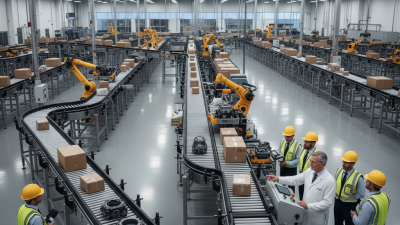
The integration of conveyor and automation solutions plays a crucial role in modern manufacturing and logistics. According to a report by MarketsandMarkets, the $9 billion conveyor systems market is expected to grow from 2020 to over $12 billion by 2025. This growth reflects the increasing demand for efficient material handling and increased productivity.
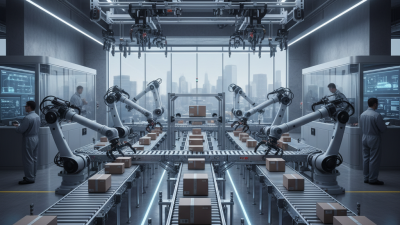
Conveyor systems are now often linked with automation technologies to streamline processes. For instance, automated guided vehicles (AGVs) and robotic arms work seamlessly with conveyors. This integration enhances accuracy and minimizes human error. Data from various industry reports suggest that companies implementing these solutions can improve their operational efficiency by up to 30%.
However, challenges remain. Many businesses struggle with the complexity of integrating these systems. Training staff to manage automated conveyors is often overlooked, leading to miscommunication and inefficiency.
Moreover, there is a need for continuous improvement in technology. Some companies find that outdated conveyor systems can create bottlenecks when scaling operations. In fact, a survey from the Warehouse Automation Report revealed that 45% of respondents admitted having outdated equipment affecting performance. Addressing these issues is critical for enterprises aiming to stay competitive as automation progresses. Effective integration not only boosts productivity but also ensures a smoother workflow across all processes.
Benefits for Global Buyers in Supply Chain Management
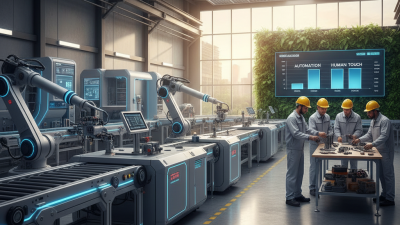
In today’s fast-paced world, effective supply chain management is crucial. Conveyor and automation solutions are critical components for global buyers. These technologies streamline processes, reduce manual labor, and increase efficiency. For instance, automated systems can handle inventory tracking and even facilitate product sorting. This can lead to significant time savings. Additionally, automated conveyors can move goods quickly, minimizing delays.
Adopting these solutions also enhances reliability in delivery schedules. Errors in manual handling are common. Automation reduces these risks by providing consistent output. Buyers can expect higher accuracy in orders. This fosters trust in supply chain operations. However, there are challenges. The upfront investment may seem daunting, and integrating automation with existing systems often requires careful planning. Not all companies may find immediate benefits.
Moreover, companies must continually assess their systems to ensure they meet changing demands. Automation isn’t a one-size-fits-all solution. Flexibility is essential. Adjustments may be necessary over time. The goal should be creating a responsive supply chain that adapts to market changes. This ongoing evaluation can lead to improved practices and enhanced outcomes.
What is Conveyor and Automation Solutions for Global Buyers? - Benefits for Global Buyers in Supply Chain Management
| Dimension |
Description |
Benefits |
| Efficiency |
Automation solutions streamline operations. |
Reduces operational costs and increases throughput. |
| Flexibility |
Conveyor systems can be customized for various products. |
Adapts to changing market demands without heavy investments. |
| Safety |
Modern systems include safety features for workers. |
Minimizes workplace accidents and improves overall safety. |
| Real-time Monitoring |
Integration with IoT for performance tracking. |
Enhances decision-making and reduces downtime. |
| Scalability |
Easily expand operations with modular designs. |
Supports growth without major asset changes. |
Future Trends in Conveyor and Automation Technology
As industries evolve, so do conveyor and automation technologies. Future trends point towards increased integration of artificial intelligence and machine learning. These technologies promise to enhance efficiency, reduce downtime, and optimize overall operations. Smart conveyors equipped with sensors can predict failures before they occur, ensuring seamless production processes.
The focus is shifting towards sustainable solutions. Conveyor systems are being designed with energy efficiency in mind. Materials used in construction are also becoming more eco-friendly, striving to minimize waste. Despite these advancements, challenges remain. Many facilities are hesitant to upgrade due to costs and complexity. Training staff to operate new technologies presents another hurdle.
Customization is crucial in this evolving landscape. Tailored solutions can address unique logistical challenges. However, finding reliable suppliers that offer such flexibility can be daunting. Businesses must carefully evaluate potential partners and their commitment to innovative practices. Balancing investment in technology with operational needs requires thoughtful consideration.