Top Conveyor System Design Trends for 2026 What to Know?
The conveyor system design landscape is evolving rapidly. As we approach 2026, industry trends are shaping the future of logistics and manufacturing. This article explores crucial design trends that businesses must embrace. Conveyor System Design is becoming more adaptable, efficient, and sustainable.
Integrating advanced technologies is key. Automation, AI, and IoT are revolutionizing traditional designs. These innovations allow for enhanced monitoring and efficiency. For example, smart sensors can optimize flow and reduce downtime. Yet, there is a fine line. Over-reliance on technology can create vulnerabilities.
Sustainability is another driving force. Designing systems that minimize energy consumption is essential. Companies face pressure to reduce their carbon footprints. As a result, the demand for eco-friendly materials is rising. However, not all sustainable materials perform equally. Striking a balance can be challenging. These trends indicate a shift towards smarter, greener conveyor system designs. Adapting to these changes is vital for maintaining a competitive edge.
Emerging Technologies Shaping Conveyor Systems in 2026
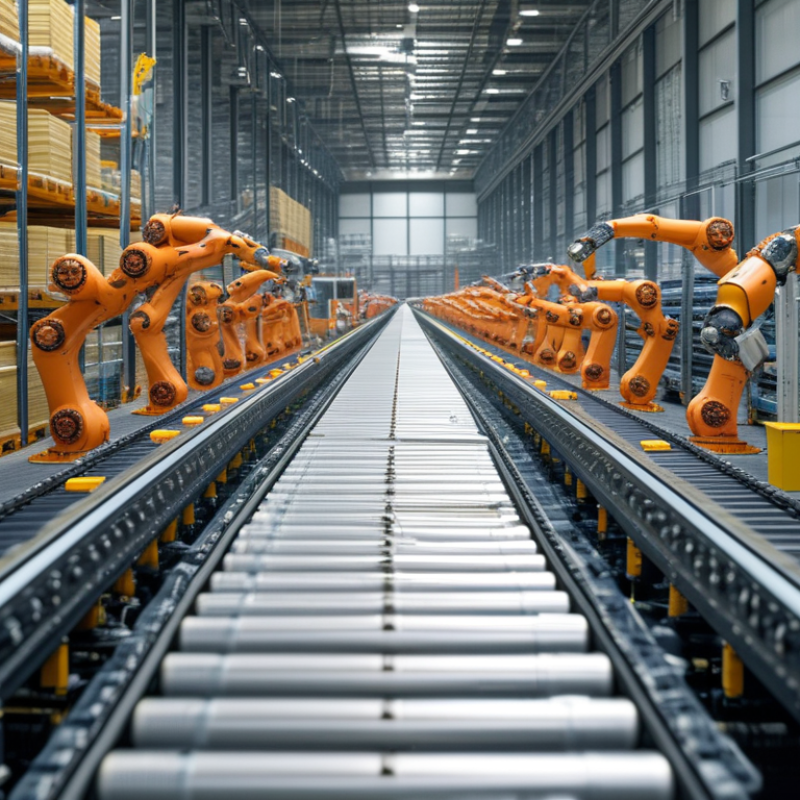
Emerging technologies are reshaping conveyor systems as we approach 2026. Automation is a key player. Automated guided vehicles (AGVs) are enhancing productivity in warehouses and production lines. These vehicles work alongside traditional systems, providing seamless integration. They help reduce labor costs and minimize human error.
AI and machine learning are also making strides. Predictive maintenance powered by AI can foresee equipment failures. This approach reduces downtime and increases operational efficiency. Real-time data analytics allow quick adjustments in conveyor speed and routing based on current demands. This dynamic responsiveness can significantly benefit logistics.
Monitoring these trends is crucial. Investing in training for staff is vital to harness new technologies effectively. While the latest systems can bring advantages, they also introduce complexities. Ensure your team is prepared for these changes. Adaptability will be key in leveraging emerging technologies for success in your operations. Being proactive can help in staying ahead in the competitive landscape.
Sustainability in Conveyor Design: Eco-Friendly Materials and Practices
Sustainability is becoming crucial in conveyor system design. Eco-friendly materials are at the forefront. Designers are exploring alternatives to conventional plastics and metals. Biodegradable materials like plant-based polymers are gaining traction. These choices can significantly reduce waste and energy consumption.
Incorporating energy-efficient practices is essential. For instance, optimizing conveyor layouts can minimize power usage. Using regenerative drives helps recover energy during braking. However, many companies still struggle with implementation. Uncertainty about costs can hold back progress.
The integration of automation and smart technology plays a role, too. Intelligent systems can reduce excess energy use and improve efficiency. Despite advancements, some industries remain hesitant to adopt these solutions. A lack of understanding about these technologies may hinder their acceptance. Addressing these gaps is necessary for a sustainable future in conveyor design.
Top Conveyor System Design Trends for 2026
| Trend |
Description |
Eco-Friendly Materials |
Sustainable Practices |
| Modular Design |
Flexible systems that can be easily reconfigured as needed. |
Recycled plastics and metals. |
Reduction of manufacturing waste through modular components. |
| Smart Technology Integration |
Utilization of IoT for real-time tracking and monitoring. |
Biodegradable sensors and IoT devices. |
Energy-efficient tracking systems reducing power consumption. |
| Energy Efficiency |
Use of energy-efficient motors and controls. |
Low-impact materials. |
Optimizing conveyor layout for reduced energy usage. |
| Automated Systems |
Increased automation to enhance productivity. |
Use of sustainable packaging materials in automation. |
Automated energy management systems. |
| Simplicity in Design |
Focus on clean and simple designs promoting ease of use. |
Natural materials for frame construction. |
Simplicity reduces resource requirements in both production and operation. |
Automation and Smart Systems Integration in Conveyor Solutions
The future of conveyor systems is shaped increasingly by automation and smart systems integration. These advancements help optimize efficiency and improve safety. Systems equipped with sensors can monitor performance in real-time. This data allows for predictive maintenance, reducing downtime significantly. Moreover, integrating automation means fewer manual interventions. This shift enhances precision in material handling.
Smart conveyor solutions often use advanced algorithms for routing. These algorithms can adapt to changing production demands, showcasing flexibility. However, this complexity can pose challenges. Some systems may face integration issues with legacy technologies. Ensuring compatibility is crucial for seamless operation. Additionally, workforce training becomes essential to manage these sophisticated systems effectively.
The push towards automation might also raise concerns about job displacement. While technology improves productivity, it may alter job roles in the industry. A balance must be struck between innovation and human employment. Emphasizing skill development for the workforce will be essential. It allows workers to transition into roles that support these advanced systems. Ultimately, the goal is to create a harmonious environment where technology and human skills complement each other.
Top Conveyor System Design Trends for 2026
Modular Conveyor Designs: Flexibility and Customization Trends
Modular conveyor designs are gaining traction as industries seek greater flexibility. These systems allow easy adjustments to meet changing production needs. Customization can enhance efficiency. Businesses can configure conveyors to fit their unique workflows. This adaptability is crucial in fast-paced environments.
As manufacturing processes evolve, the demand for modular systems will rise. Companies want to optimize layouts without extensive downtime. Modular conveyors can be reconfigured quickly. This helps in reducing the time required for installation and maintenance. Flexibility in design leads to improved resource allocation.
Yet, relying solely on modular systems can pose challenges. Not all businesses may understand how to effectively implement such designs. Training staff is essential to maximize their potential. Keeping up with design updates can also be a hurdle. Continuous learning and adaptation are key in leveraging these systems.
Safety Enhancements in Conveyor Systems for Modern Workplaces
In modern workplaces, safety enhancements in conveyor systems are crucial. These systems now incorporate advanced sensors and monitoring technologies. These features help detect potential hazards before they escalate. Real-time data analysis plays a key role in identifying issues, like equipment failures or material jams. Immediate alerts can automate shutdowns, reducing injury risks.
Moreover, ergonomic designs have become a focal point. Conveyor heights and angles can be adjusted to minimize worker strain. Guardrails and safety barriers are being integrated more frequently. This proactive approach not only protects workers but also enhances overall efficiency. Ergonomic improvements aim to create a comfortable work environment while addressing safety concerns.
Yet, despite these advances, challenges remain. Employees may still overlook safety protocols. Training programs often fall short in engaging workers adequately. Regular assessments of safety features are essential. Organizations must not become complacent. Continuous feedback and adaptation are necessary to ensure conveyor systems meet evolving safety standards. This ongoing commitment can foster a culture where safety is prioritized and respected.