Top Conveyor Systems Types and Their Best Applications?
Conveyor systems play a crucial role in various industries. They streamline processes and enhance productivity. As expert John Smith, a noted engineer in the field, states, “The right conveyor system can transform your operations.” This highlights the importance of selecting the appropriate type for specific applications.
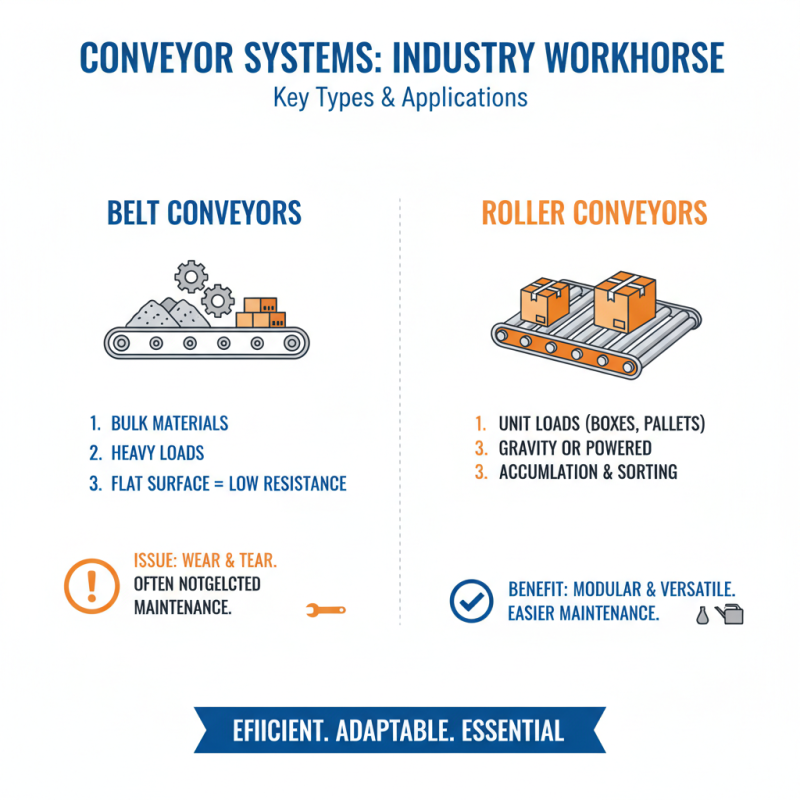
Different conveyor systems are designed for unique tasks. For instance, belt conveyors are ideal for moving bulk materials, while roller conveyors work well for packages. Each system has its strengths and weaknesses, which can lead to inefficiencies if not matched correctly. Choosing the wrong type can result in downtime and increased costs.
Understanding these systems is vital for any business seeking improvement. A well-chosen conveyor can boost workflow and reduce labor intensity. However, improper installation or inadequate maintenance can lead to issues. Companies must reflect on their needs and adapt accordingly to harness the full potential of conveyor systems.
Overview of Conveyor Systems and Their Importance in Industries
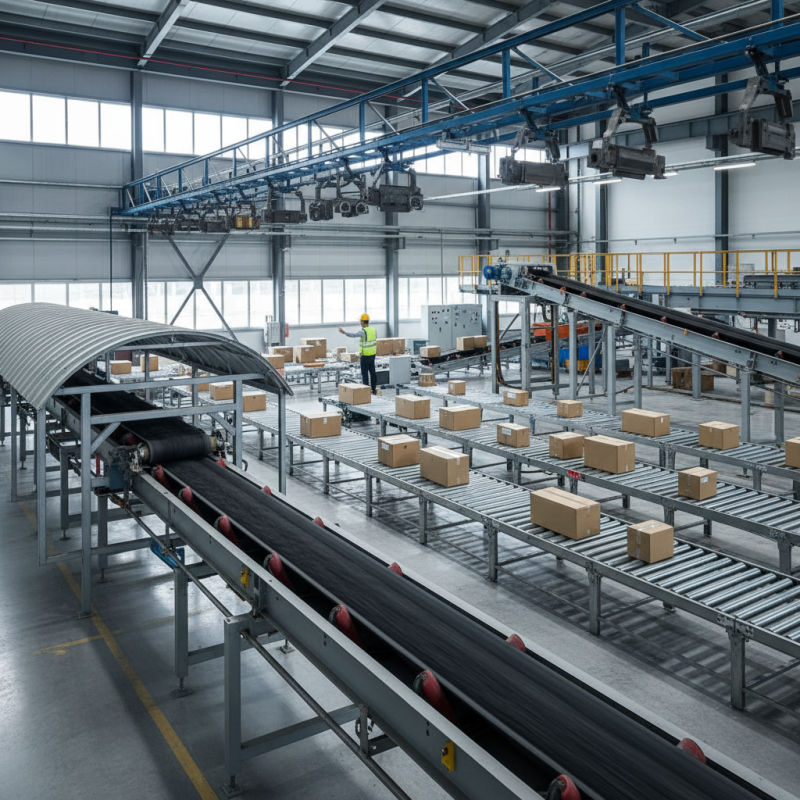
Conveyor systems play a crucial role in many industries. They facilitate the movement of goods and materials. This automation greatly enhances efficiency. For example, in warehouses, these systems can quickly transport products from one section to another. Handling heavy items manually can be risky and time-consuming. Yet, conveyor systems reduce labor strain and improve safety.
In manufacturing, conveyors streamline production lines. They ensure a steady flow of parts to assembly zones. This constant supply minimizes delays. However, implementing these systems requires proper planning. Layout designs must consider workflow and space. Sometimes, companies overlook maintenance schedules, which can lead to breakdowns. Regular checks are vital for optimal performance.
Moreover, diverse conveyor types exist for specific needs. Belt conveyors are common for bulk materials. Roller conveyors excel in moving packages. Yet, choosing the right type can be challenging. Factors like material size and weight impact the decision. Understanding these requirements is essential for success. When done right, conveyor systems can transform operations dramatically.
Common Types of Conveyor Systems: Features and Specifications
Conveyor systems play a vital role in various industries. Different types of conveyors have unique features that suit specific applications. For instance, belt conveyors are widely used for transporting bulk materials. They can move heavy loads with ease. The flat surface of the belt minimizes resistance, but wear and tear can be an issue. Regular maintenance is often neglected.
Another common type is the roller conveyor. This system relies on a series of rollers to move items. It is ideal for packaging and assembly lines. However, misalignment can lead to operational disruptions. The implementation of sensors could improve efficiency, but not all businesses invest in this technology.
Finally, chain conveyors excel in moving heavy items over long distances. They are robust and reliable. Still, they can require significant energy to operate. Companies using chain conveyors should consider energy efficiency improvements. Each type has its pros and cons. Choosing the right system is often more complex than it seems.
Best Applications for Belt Conveyors: Efficiency in Material Handling
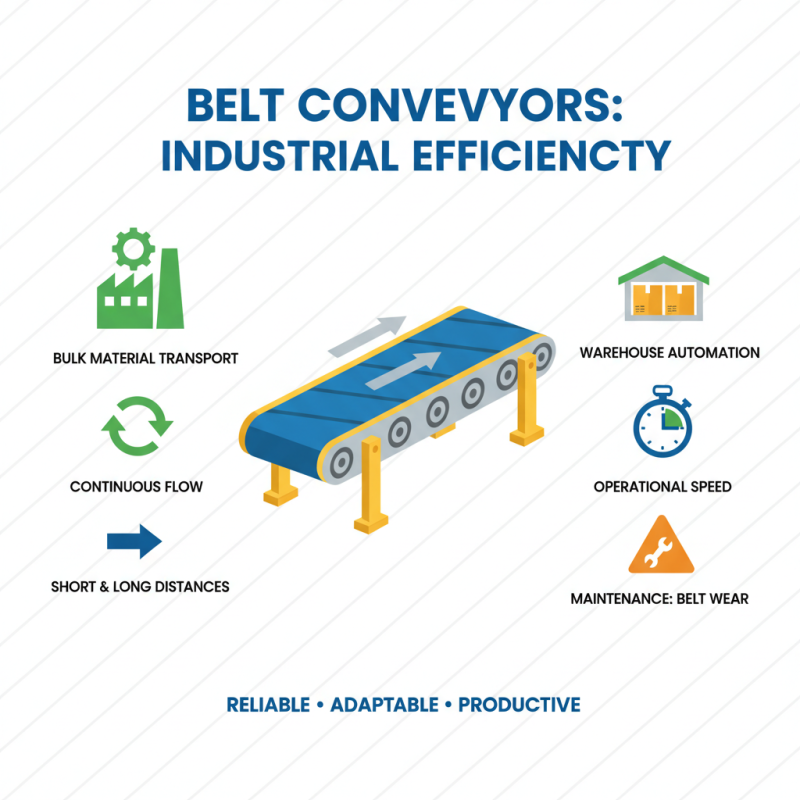
Belt conveyors are a common choice in various industries. They provide efficiency in transporting materials over short and long distances. Their design allows for continuous movement, making them a reliable option for bulk goods. In warehouses, they help streamline operations. However, belt wear can be an issue. Regular maintenance is crucial.
In manufacturing, belt conveyors handle heavy loads. They enable quick transport from one production stage to another. Dust and debris can accumulate, affecting performance. It's important to monitor and clean regularly.
Food processing relies heavily on belt conveyors. They ensure hygiene and safe transport of products. However, bacteria can thrive on poorly maintained surfaces. Addressing this risk is vital for product safety. Understanding these challenges can help operators make better choices.
Roller and Chain Conveyors: When to Use Them Effectively
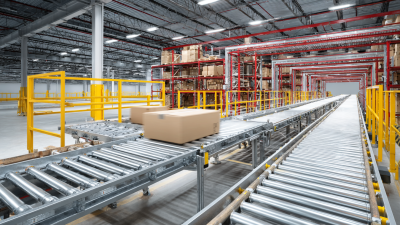
When choosing between roller and chain conveyors, it's essential to understand their specific uses. Roller conveyors are ideal for transporting products on pallets, cartons, or boxes. They allow for smooth movement and efficient loading. In many warehouses, they save time and labor. Their design lets items slide easily. However, they may struggle with heavier loads or uneven surfaces.
Chain conveyors, on the other hand, excel in transporting heavy and bulky items. They work well in heavy industries, including automotive and food processing. The robust construction ensures durability. However, they can be inflexible in layout changes. When transporting delicate items, using chain conveyors might not be the best option. The impact during operation can cause damage.
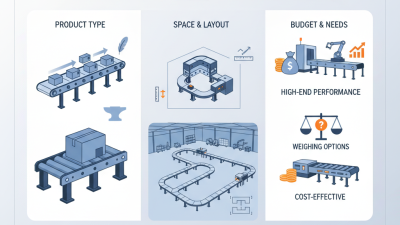
Choosing the right type involves careful evaluation. Do you need flexibility or durability? Consider the weight and size of the products. Assess the layout of your facility. Both systems have strengths and weaknesses. Understanding these can lead to a more efficient operation.
Top Conveyor Systems Types and Their Best Applications
| Conveyor Type |
Best Applications |
Key Advantages |
Maintenance Needs |
| Roller Conveyor |
Package handling, assembly lines, and shipping |
Reduced friction, easy maintenance, and high efficiency |
Low; mainly lubrication and periodic checks |
| Chain Conveyor |
Heavy-duty operations such as automotive and manufacturing |
Handles heavy loads, robust construction, and reliable operation |
Moderate; chain tension and alignment adjustments |
| Belt Conveyor |
Food processing, packaging, and distribution |
Flexible design, suitable for various materials, and quiet operation |
Moderate; belt wear and tracking need attention |
| Magnetic Conveyor |
Metal parts handling, scrap removal |
Prevents slippage, suitable for inclined movements |
Low; checks on magnet strength only |
Emerging Trends in Conveyor Technologies and Future Applications
Emerging trends in conveyor technologies are reshaping industries.
Automation is taking center stage. Smart conveyors with AI integration can analyze data and adapt in real-time.
These systems can predict maintenance needs, preventing costly breakdowns.
Another notable trend is the use of
sustainable materials.
Eco-friendly conveyor belts are now available. These belts reduce environmental impact.
However, they may not always meet the durability standards of traditional materials.
Striking a balance between sustainability and performance is critical.
Wireless technology is also changing conveyor systems. Remote monitoring allows operators to oversee multiple systems simultaneously.
This can enhance efficiency but also raises security concerns.
Ensuring data protection is more important than ever. Additionally, industries face challenges in integrating new technologies with existing systems.
The path forward must consider both innovation and practicality.