What is Conveyor Technology and How Does It Work?
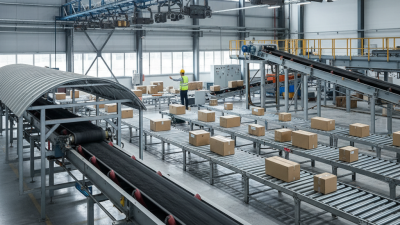
Conveyor Technology plays a crucial role in many industries. It allows goods to move efficiently from one point to another. In manufacturing, for example, conveyor systems ensure a smooth flow of products.
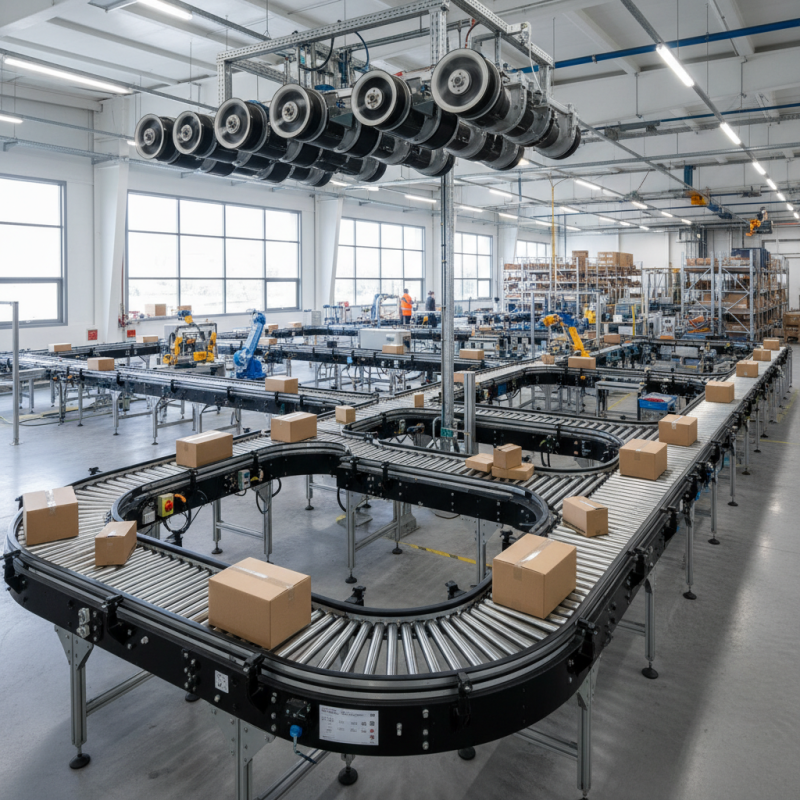
These systems are made up of belts, rollers, and pulleys. They can be found in warehouses, assembly lines, and airports. However, not all conveyor solutions are perfect. Some may require frequent maintenance or face operational delays.
Understanding Conveyor Technology is essential for businesses. It could save costs and improve productivity. Yet, it is vital to evaluate the efficiency of existing systems. Continuous improvement is often needed to adapt to growing demands.
Understanding Conveyor Technology: A Comprehensive Overview
Conveyor technology plays a crucial role in modern industries. It enables efficient material handling, reducing manual labor in processes. Warehouses, manufacturing, and distribution centers extensively utilize conveyors to enhance productivity. According to a study by the International Conveyor Manufacturers Association, conveyor systems can increase efficiency by up to 50%.
Different types of conveyors serve various purposes. Belt conveyors, for instance, are widely used for transporting bulk materials. They consist of a belt that moves materials along a track. However, maintenance is vital. Regular checks prevent breakdowns and costly downtime. Misaligned belts can lead to significant issues, including safety hazards.
Data from the Material Handling Industry Association shows that investments in automation and conveyor systems are on the rise. In 2022, 45% of companies reported upgrading their systems. Yet, some businesses overlook the importance of proper training for workers. Neglecting this can lead to inefficiencies and errors. Addressing gaps in knowledge is essential for maximizing the benefits of conveyor technology.
Types of Conveyor Systems and Their Applications
Conveyor systems play a crucial role in various industries. Different types of conveyors serve specific purposes. There are belt conveyors, roller conveyors, and chain conveyors. Each type has unique features that cater to specific needs.
Belt conveyors are common in assembly lines. They can transport a wide range of products. Packages move smoothly along a belt. However, they can get jammed if items are misaligned. Understanding this limitation is essential for efficient operation.
Roller conveyors are often used for heavy items. They allow for easy movement with minimal effort. Workers can push or pull loads easily. Yet, they can be challenging with smaller items. Chain conveyors are robust and suitable for heavy-duty applications. But maintenance can be demanding. A good grasp of these systems ensures improved productivity.
What is Conveyor Technology and How Does It Work? - Types of Conveyor Systems and Their Applications
| Type of Conveyor System |
Description |
Common Applications |
Advantages |
| Belt Conveyor |
A continuous loop of material used to transport goods. |
Package handling, mining, and food processing. |
Versatile, low maintenance, and can handle a wide range of materials. |
| Roller Conveyor |
Uses rollers to allow for smooth movement of items along the conveyor. |
Sorting systems and assembly lines. |
Efficient for heavy loads and easy to install. |
| Chain Conveyor |
Uses chains to pull loads along the conveyor path. |
Heavy-duty industrial applications, automotive assembly. |
High load capacity and can transport products of various shapes. |
| Bucket Conveyor |
Consists of buckets attached to a conveyor belt or chain. |
Managing bulk materials, like grains and sand. |
Ideal for vertical lifting and has a strong carrying capacity. |
| Magnetic Conveyor |
Employs magnets to transport ferrous materials securely. |
Used in manufacturing and recycling industries. |
Prevents slippage and capable of handling high-heat materials. |
How Conveyor Technology Operates: Key Mechanisms Explained
Conveyor technology is essential in many industries. It involves systems designed to transport materials efficiently. The key mechanisms of conveyor systems play a crucial role in their operation.
Several types of conveyors exist. Belt conveyors use a continuous loop of material to move items. The belt runs over pulleys, allowing for smooth movement. Roller conveyors feature a series of rollers. They enable items to slide smoothly from one section to another. Chain conveyors are another type, using links to pull heavy loads. Each mechanism has unique applications and challenges.
The efficiency of conveyor systems often relies on proper maintenance. Wear and tear can affect performance significantly. Issues like misalignment may lead to breakdowns. Operators must regularly inspect the systems. They need to identify potential problems early. Training is also important for those working with these systems. Awareness of best practices can reduce errors and enhance productivity. Balancing effectiveness and cost is an ongoing challenge for many businesses.
Benefits of Implementing Conveyor Systems in Industries
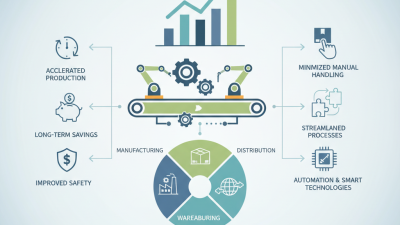
Conveyor systems are essential in many industries. They streamline processes, reduce manual labor, and improve safety. According to a report by MarketsandMarkets, the conveyor system market is expected to reach $7.2 billion by 2026, driven by automation needs.
One significant benefit is efficiency. Conveyor systems can move products faster than human workers. This increases throughput. Data shows that businesses can reduce processing times by up to 50% when using conveyor technology. In warehouses, automated conveyor systems can handle thousands of packages within a day.
However, efficiency comes with challenges. Not every setup works smoothly. Maintenance issues can arise, leading to downtime. Depending on the system's design, it may not accommodate all products. Flexibility in handling different goods is an aspect that needs improvement. Overall, while conveyor systems offer remarkable benefits, industries must consider these limitations to optimize their processes.
Benefits of Implementing Conveyor Systems in Industries
Future Trends in Conveyor Technology and Innovation
The landscape of conveyor technology is evolving rapidly. Future trends indicate a shift towards automation and smart systems. Reports suggest that the global conveyor market will reach $9 billion by 2025. This growth is driven by sectors like e-commerce and manufacturing, pushing the need for efficient material handling.
Innovations such as IoT integration are transforming conveyor systems. Smart sensors are being used to monitor performance in real-time. This capability reduces maintenance costs and improves operational efficiency. However, transitioning to automated systems can pose challenges. Not all facilities have the infrastructure to support these upgrades. There are concerns regarding employee training and adaptation too.
Sustainability is another critical focus. Environmentally friendly materials and energy-efficient designs are becoming standard. By 2030, it is expected that green technologies will dominate the conveyor industry. However, companies must balance sustainability with cost-effectiveness, which is not an easy task. The ongoing evolution of conveyor technology reflects both opportunities and barriers, requiring careful consideration.