What is Industrial Conveyor Systems and How Do They Work?
Industrial Conveyor Systems play a crucial role in modern manufacturing and logistics. These systems improve efficiency and productivity by automating material handling. According to the Global Conveyor Systems Market Report, the industry is projected to reach $8.4 billion by 2025, growing at a CAGR of 4.5%. This highlights increasing demand across various sectors, from food processing to automotive.
Experts emphasize the importance of these systems. Dr. Sarah Thompson, a leading authority in industrial automation, states, "Industrial Conveyor Systems are the backbone of modern supply chains.” Her perspective underscores the necessity of integrating advanced technology for optimal functioning.
Despite their advantages, there are challenges to consider. Implementing these systems is not a one-size-fits-all solution. Organizations must evaluate their specific needs carefully. Poorly designed systems can lead to bottlenecks and increased downtime. Balancing efficiency and practicality is vital. The promise of Industrial Conveyor Systems is significant, but mindful implementation is essential for true success.
Definition and Overview of Industrial Conveyor Systems
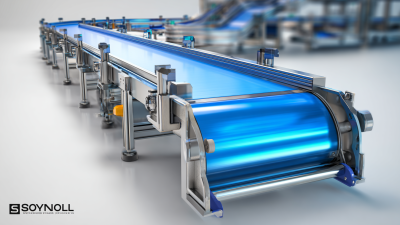
Industrial conveyor systems are integral to modern manufacturing and logistics. They streamline the movement of goods, enhancing efficiency and reducing manual labor. These systems consist of various components, such as belts, rollers, and controls, which work in unison to transport materials from one location to another. Their design varies based on industry needs, materials, and specific requirements.
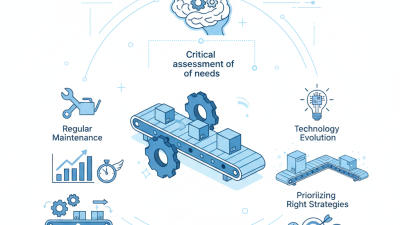
These systems can be categorized into different types, including belt conveyors, roller conveyors, and chain conveyors. For instance, belt conveyors are versatile and commonly used for transporting bulk materials. Each system has unique advantages. However, some may require regular maintenance, which can sometimes lead to unexpected downtime. Understanding these nuances is essential for effective operation.
When implementing a conveyor system, businesses must consider factors like load capacity and the environment. Not all systems will suit every application. Choosing the wrong one can lead to inefficiencies and increased costs. Continuous evaluation and adaptation are crucial for optimizing performance and ensuring reliability.
Types of Industrial Conveyor Systems and Their Applications
Industrial conveyor systems play a crucial role across various industries. These systems transport materials efficiently, saving time and reducing labor costs. Different types of conveyors cater to specific needs, showcasing their versatility.
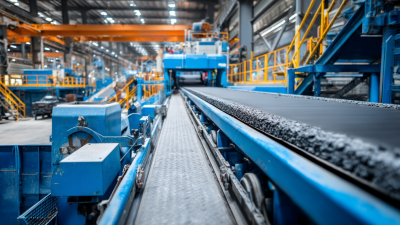
Belt conveyors are commonly used for transporting bulk materials. They can handle a variety of items, from grains to packaged goods. In contrast, roller conveyors are ideal for heavy loads and allow for easier manual transfers. Though effective, roller systems may require regular maintenance to prevent disruptions.
Additionally, screw conveyors excel in moving granulated materials and powders. Their design minimizes spillage and is effective in confined spaces. However, they can overheat if not monitored closely.
Another option, chain conveyors, offers strength and durability for heavy industrial environments but can be noisy and require careful installation. Each type presents distinct benefits and challenges, needing thoughtful consideration during selection.
Key Components of Conveyor Systems and Their Functions
Industrial conveyor systems play a crucial role in optimizing material handling processes. These systems consist of several key components that ensure efficient and reliable operation. The heart of any conveyor system is the belt, which transports goods from one point to another. According to a report by Grand View Research, the global conveyor systems market is projected to reach $7.35 billion by 2027, reflecting the increasing reliance on automation in various industries.
Another vital component is the motor. It provides the necessary power to move the conveyor belt. The choice of motor can greatly impact energy efficiency and operational costs. Additionally, rollers and pulleys support the belt and facilitate smooth movement. A lack of regular maintenance on these components can lead to breakdowns, causing significant downtime.
Sensors and controllers are also essential. They allow for real-time monitoring of system performance. These technologies can identify potential issues before they result in failures. A focus on integrating smart technologies can enhance operational reliability. However, many facilities still grapple with the challenge of integrating new technologies into existing systems. This presents an ongoing area for improvement in the industry.
Industrial Conveyor Systems Usage by Sector
How Industrial Conveyor Systems Improve Efficiency in Production
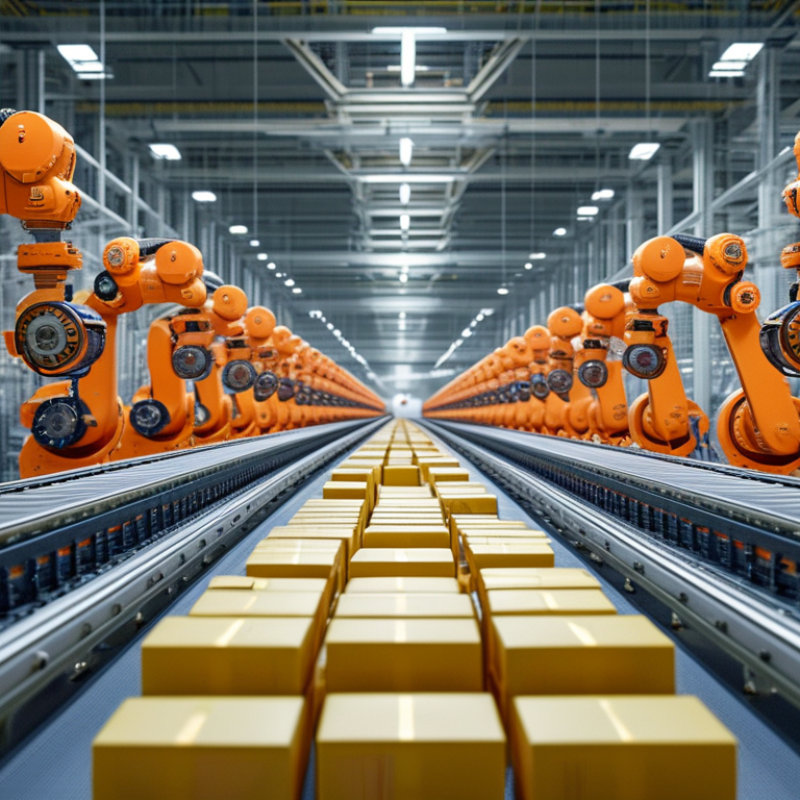
Industrial conveyor systems play a crucial role in production efficiency. They facilitate the rapid movement of goods and materials, minimizing downtime. According to the 2022 Manufacturing Efficiency Report, businesses that use automation, including conveyor systems, can increase output by up to 30%. This data highlights the significant impact of these systems on production rates.
Conveyor systems also reduce labor costs and improve workplace safety. By automating the transportation of heavy or bulky items, companies can lower the risk of workplace injuries. A survey by the National Safety Council found that automated systems decreased workplace accidents by 25%. However, implementing these systems isn't without challenges. Companies must consider the initial investment and potential maintenance issues that can arise, impacting overall efficiency.
Moreover, conveyors can be specifically tailored to different industries. Customization ensures that they meet unique operational needs. Yet, not all systems are adaptable. Some may require additional space or cause bottlenecks if not properly integrated into the existing workflow. Addressing these potential pitfalls is essential for maximizing the effectiveness of conveyor systems in production environments.
Maintenance and Safety Considerations for Conveyor Systems
Proper maintenance of industrial conveyor systems is crucial for their longevity and efficiency. Regular inspections can identify wear and tear early. Check belts, rollers, and pulleys for signs of damage. Lubrication is essential too. It reduces friction and prevents overheating.
Safety is another major consideration. Ensure emergency stop buttons are easily accessible. Workers should be trained on how to react in case of a malfunction. Installing guards can help prevent accidents. It's important to create safety protocols tailored to the workplace.
Despite these efforts, unexpected issues can arise. Systems may break down or operate inefficiently. Frequent monitoring of performance metrics can highlight problems. This proactive approach minimizes downtime and enhances reliability. Regular training can also keep teams vigilant. Reflecting on past incidents can help improve future safety measures.
What is Industrial Conveyor Systems and How Do They Work? - Maintenance and Safety Considerations for Conveyor Systems
| Conveyor Type |
Purpose |
Common Applications |
Maintenance Tips |
Safety Considerations |
| Belt Conveyor |
Transport materials over a distance |
Logistics, manufacturing, mining |
Regular belt inspections, clean dust and debris |
Ensure guards are in place, train staff on emergency stops |
| Roller Conveyor |
Move items with gravity or power |
Shipping facilities, assembly lines |
Lubricate rollers regularly, check alignment |
Avoid overloading, use proper lifting techniques |
| Chain Conveyor |
Transport heavy loads |
Automotive, bulk handling |
Inspect chain tension, clean debris |
Keep area clear, use proper PPE |
| Screw Conveyor |
Transport bulk materials |
Food processing, agriculture |
Check for blockages, ensure proper loading |
Monitor temperature, secure guarding |