How to Optimize Automation Conveyor Systems for Maximum Efficiency?
In today’s fast-paced industrial landscape, Automation Conveyor Systems play a crucial role in enhancing productivity. These systems streamline operations, reduce manual labor, and increase overall output. However, optimizing these conveyor systems for maximum efficiency requires more than just basic installation.
Many facilities experience bottlenecks and inefficiencies despite using advanced automation. Identifying the right components and maintaining proper alignment is vital for improved performance. Regular assessments can uncover hidden issues that hinder efficiency. Small adjustments often yield significant improvements, but operators must remain vigilant. Investing time in training staff can also enhance the management of these systems.
Ultimately, the goal is to create a seamless flow of materials while minimizing downtime. This journey of optimization demands continuous reflection and adaptation to evolving operational needs. Embracing a proactive approach ensures that Automation Conveyor Systems remain effective and reliable, driving long-term success in manufacturing and logistics.
Understanding the Basics of Automation Conveyor Systems
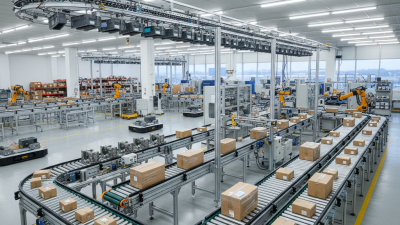
Automation conveyor systems play a crucial role in modern manufacturing. These systems streamline the transportation of materials, reducing manual labor. A well-designed conveyor can significantly enhance production efficiency, but it requires a solid understanding of its components.
Incorporating various types of conveyors can improve workflow. For instance, roller conveyors are great for heavy items, while belt conveyors suit lighter loads. Understanding the weight and size of items is essential. Moreover, the integration of sensors and controls can provide real-time data. This data helps in monitoring performance, identifying bottlenecks, and enhancing maintenance schedules.
However, it is also vital to regularly assess your system. Over time, wear and tear can impact efficiency. Operators should analyze their conveyor systems for potential upgrades or modifications. Even small adjustments, such as changing belt speeds, can lead to significant improvements in productivity. Balancing automation and human oversight remains a challenge worth considering for optimal performance.
Identifying Key Performance Indicators for Efficiency
To enhance automation conveyor systems, identifying key performance indicators (KPIs) is essential. Effective KPIs provide insights into system performance and help optimize processes. According to industry studies, focusing on metrics like throughput, cycle time, and downtime can significantly boost efficiency. For instance, a 2019 report noted that minimizing downtime can increase overall productivity by up to 20%.
Understanding the flow of materials throughout the system is vital. Monitoring throughput allows businesses to measure the rate of production and identify bottlenecks. If throughput varies significantly, it’s a red flag. Tightening control over your conveyor speeds and load weights may lead to more consistent production rates.
Tips: Regularly evaluate your cycle times. Are they in line with production goals? Small adjustments can yield substantial results. Additionally, maintaining your equipment is crucial. Neglected equipment can lead to unexpected breakdowns, increasing downtime. Establish a preventive maintenance schedule to check the wear and tear on conveyor components.
Focus on these KPIs, but remain aware of the challenges. Many companies struggle with data collection and analysis. Improper data interpretation can misguide decisions, leading to inefficient practices. Evaluate your data processes regularly to ensure they meet your operational needs.
Analyzing Material Flow and Layout Optimization
Understanding material flow and layout optimization is essential for enhancing automation conveyor systems. A well-designed layout minimizes waste and maximizes efficiency. Properly analyzing the flow of materials helps identify bottlenecks. Ensure that every segment of the conveyor has a purpose. This approach can significantly reduce idle time and movement inefficiencies.
The arrangement of workstations is crucial. Each station should be strategically placed for optimal access to the conveyor. Adjusting the distances between stations can streamline the process. Use simulations to visualize material flow. Small adjustments can lead to big improvements. Also, involve stakeholders in the planning stage. They can provide insights that might not be immediately apparent.
Still, challenges persist even with the best designs. Unforeseen variables can disrupt flow. Train operators to adapt quickly to these changes. Continuous feedback loops can help fine-tune operations. Solicit opinions from team members regularly. This encourages a culture of ongoing improvement. Balancing efficiency with flexibility is key in optimizing conveyor systems.
Automation Conveyor Systems Efficiency Analysis
This chart illustrates the efficiency of different conveyor systems based on various parameters such as speed (meters per minute), maintenance frequency (times per month), and load capacity (kilograms). Optimizing these factors can lead to improved overall performance in material flow.
Implementing Technology Upgrades for Enhanced Reliability
Upgrading technology in automation conveyor systems can significantly enhance reliability. Regular assessments of existing equipment help identify areas needing improvement. Many organizations overlook older components, assuming they still function adequately. However, aging machinery often leads to unexpected downtime.
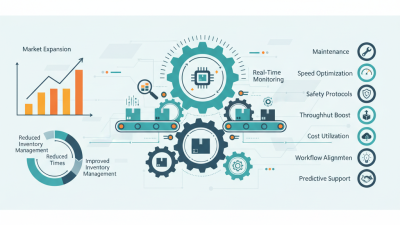
Implementing modern sensors and predictive maintenance software can prevent these issues. Real-time monitoring enables operators to make informed decisions. Upgraded systems can provide actionable insights, allowing for early detection of potential failures. This not only reduces the risk of breakdowns but also optimizes overall system performance.
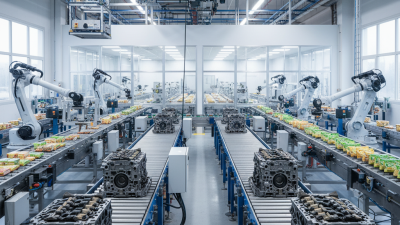
Integrating robotics and artificial intelligence into conveyor systems can further boost efficiency. Automation helps minimize human error while increasing speed and accuracy. Companies must remain aware, however, that new technologies may require retraining employees. Balancing advancements with staff readiness is essential for smooth transitions and maximizing benefits. Embracing change is crucial, yet it often brings challenges that need addressing.
How to Optimize Automation Conveyor Systems for Maximum Efficiency? - Implementing Technology Upgrades for Enhanced Reliability
| Dimension |
Current Value |
Target Value |
Improvement Strategy |
| Throughput (units/hour) |
200 |
300 |
Upgrade motors and optimize routing |
| Downtime (hours/week) |
10 |
2 |
Implement predictive maintenance |
| Energy Consumption (kWh/week) |
1500 |
1200 |
Install energy-efficient components |
| Repair Frequency (instances/month) |
5 |
1 |
Invest in high-quality components |
| Employee Training Hours (hours/year) |
50 |
100 |
Conduct regular training sessions |
Maintaining and Monitoring Systems for Continuous Improvement
Maintaining and monitoring automation conveyor systems is crucial for
long-term efficiency. A report by the
Association for Automatic Identification and Mobility highlighted that
proper monitoring can reduce downtime by up to 30%. Regular maintenance checks
help identify issues before they escalate. This proactive approach keeps systems running smoothly and maintains productivity.
Utilizing data analytics can streamline monitoring processes. Sensors on conveyor systems provide real-time feedback. This information allows for quick adjustments to optimize function. According to a recent study, companies implementing data-driven strategies have seen efficiency gains of 20% or more. However, some businesses struggle with integrating these technologies. The transition requires training and sometimes a cultural shift in how employees view technology.
Relying solely on automated systems can lead to overconfidence. Regular human oversight is essential. Staff can identify nuances that automated systems may miss. Continuous improvement involves reevaluating procedures and gathering employee insights. Their experiences often reveal hidden inefficiencies. Embracing a combination of technology and human expertise leads to the best outcomes.