How to Optimize Tire Conveyor and Storage Line Efficiency?
In the rapidly evolving industry of tire manufacturing, efficiency is crucial. The Tire Conveyor and Storage Line plays a pivotal role in this process. According to industry expert Dr. Emily Hart, "Optimizing your conveyor system can significantly reduce production time." This statement underscores the importance of effective management of tire logistics.
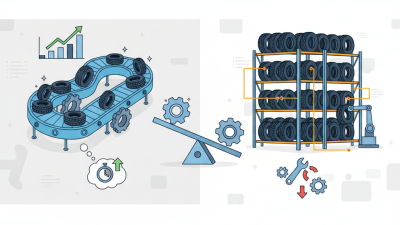
Many companies struggle with bottlenecks in their Tire Conveyor and Storage Line. These bottlenecks can lead to increased costs and lower productivity. For instance, outdated conveyor systems may impede the flow of tires, causing delays. Each delay can accumulate, impacting overall efficiency.
Additionally, many organizations overlook routine maintenance of their conveyor systems. Ignoring this crucial step can lead to breakdowns. Such situations necessitate a critical reflection on current practices and an urgent need for improvement in the Tire Conveyor and Storage Line. A few changes can make a substantial difference in operation.

Understanding the Importance of Tire Conveyor and Storage Line Efficiency
Tire conveyor and storage line efficiency is crucial for operations in the tire industry. Optimizing this system can lead to
increased productivity and reduced costs.
When efficiency suffers, both time and resources are wasted, impacting overall performance. Understanding how to
streamline these processes can benefit manufacturers greatly.
One effective tip is to assess your current layout. A well-organized layout reduces unnecessary movement. Evaluate each segment of the conveyor system.
Are there bottlenecks? Are tires being transported without delays? Small adjustments may enhance flow significantly.
Regular maintenance is key. It prevents unexpected breakdowns that disrupt operations. Schedule inspections routinely to identify wear and tear.
This proactive approach can reduce downtime. Employees should be trained to recognize signs
of inefficiency in the system. Engagement fosters a culture of continuous improvement.
Finally, consider integrating technology. Automation can improve accuracy and speed.
If you're still relying on manual processes, reflect on this. Embracing automation may require initial investment but can
lead to long-term dividends. Efficiency isn't just a goal; it requires ongoing
evaluation and adaptation.
Key Components of Tire Conveyor Systems and Their Functionality
Tire conveyor systems are crucial in optimizing storage and handling processes. They enhance efficiency by minimizing manual intervention. Key components like rollers, belts, and control systems play vital roles. Research indicates that efficient conveying can boost productivity by 30%.
Rollers support the movement of tires, reducing friction. They come in various sizes to accommodate different tire types. However, wear and tear on rollers can reduce efficiency over time. Regular maintenance is essential.
Belt systems transport tires over varying distances. It's necessary to choose the right belt material for optimal operation. Smooth surfaces prevent slippage. Yet, poor design can lead to frequent breakdowns. Control systems synchronize operations, but complexity may lead to challenges. Understanding these components is essential for maximizing conveyor performance.
Optimization of Tire Conveyor and Storage Line Efficiency
Strategies for Reducing Downtime in Tire Storage Operations
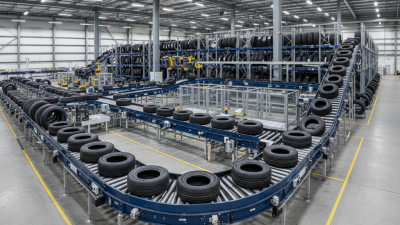
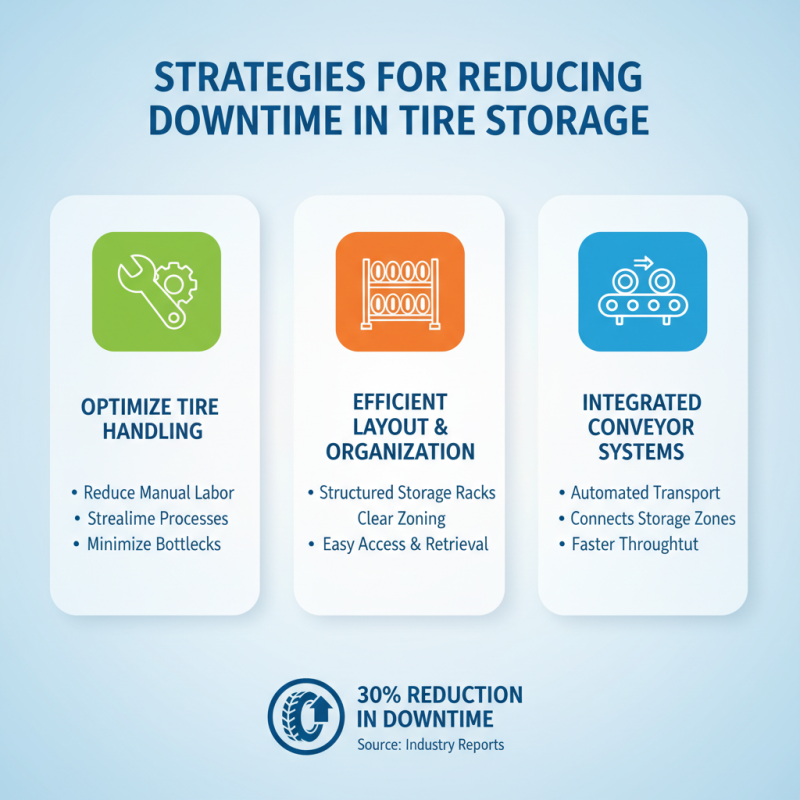
Optimizing tire storage operations is crucial for reducing downtime. According to recent industry reports, nearly 30% of operational downtime stems from inefficient tire handling processes. Effective storage layout and organization can significantly mitigate this issue. A well-structured tire conveyor system that aligns with storage layout can enhance flow and minimize handling time.
Implementing advanced data tracking technologies is essential. By using real-time inventory management systems, facilities can reduce search times for specific tires. One study found that proper tracking diminishes retrieval delays by up to 25%. However, the challenge remains in training staff effectively. Employees must adapt to new systems quickly, but training often gets overlooked, leading to persistent inefficiencies.
Maintenance schedules also require attention. Regular inspection of conveyor belts and storage units can prevent unexpected failures. An internal audit revealed that nearly 20% of downtime results from faulty equipment. However, maintenance is often reactive rather than proactive. This mindset can create significant delays. Taking steps to be more preventive could yield greater efficiency and reduced downtime in tire storage operations.
Implementing Automation in Tire Handling Processes
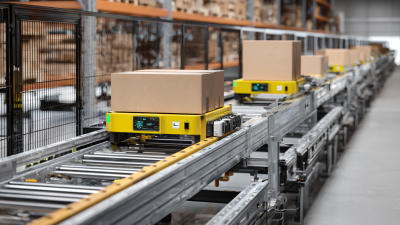
Implementing automation in tire handling processes greatly enhances efficiency. Automated systems reduce human error, increasing precision in operations. For instance, conveyor belts can be equipped with sensors to monitor tire movements. These systems can alert operators about potential blockages or malfunctions. However, it's crucial to ensure the software is regularly updated to avoid glitches.
Tips: Regularly conduct maintenance checks on automated equipment. This can prevent unexpected downtime and enhance performance.
Additionally, real-time data analytics can optimize sorting processes. Analyzing tire sizes and types allows for better organization in storage. The integration of robotics can also enhance speed in loading and unloading tires. Yet, the initial setup costs can be high, which may discourage some companies.
Tips: Consider phased automation. Integrate one process at a time to manage costs effectively. This gradual approach also allows room for reflection and adjustments based on performance outcomes.
Monitoring and Analyzing Performance Metrics for Continuous Improvement
Monitoring and analyzing performance metrics is key to optimizing tire conveyor and storage line efficiency. It allows companies to identify bottlenecks and improve throughput. According to a recent industry report, companies that implement real-time monitoring can see efficiency increases of up to 25%. This shift not only streamlines processes but also enhances the overall productivity of tire handling operations.
Regular analysis of key performance indicators (KPIs) is crucial. Metrics such as conveyor speed, downtime, and energy consumption provide insights into operational effectiveness. For instance, downtime can severely impact production. A study shows that minimizing downtime by even 10% leads to a significant reduction in operational costs.
Tips:
- Monitor KPI trends weekly.
- Adjust based on findings.
- Train staff to recognize inefficiencies.
Despite the advantages, some companies still overlook data-driven decisions. Limited understanding of metrics can lead to stagnation. Employees might resist change, affecting implementation efforts. Regular training and open communication can address these challenges and foster a culture of
continuous improvement.