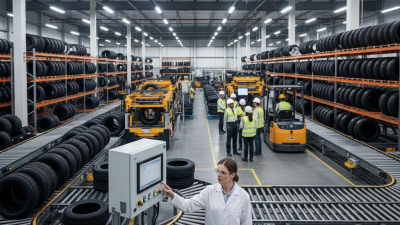
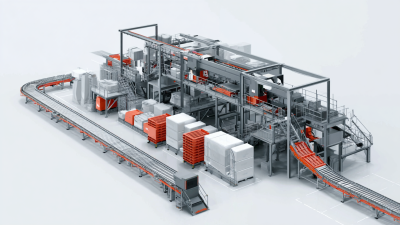
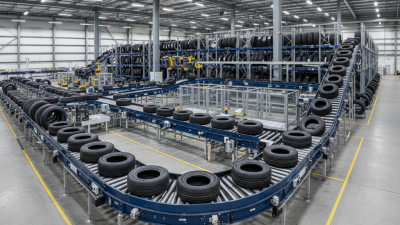
Why Choose a Tire Conveyor and Storage Line for Efficiency?
In today's fast-paced manufacturing environment, efficiency is paramount. A reliable Tire Conveyor and Storage Line can significantly enhance operational performance. This system simplifies the movement and storage of heavy tires, reducing manual labor and potential injuries. By automating these processes, businesses can streamline workflow and save valuable time.
Implementing a Tire Conveyor and Storage Line also addresses space constraints. Companies can optimize storage areas, maximizing usable floor space. The movement of tires becomes more organized, minimizing the risk of accidents. However, choosing the right system requires thoughtful consideration. Not all conveyor solutions are equal; some may lack essential features or durability.
It's crucial to weigh both the benefits and limitations of these systems. Each setup is unique, demanding an understanding of specific operational needs. Investing in a Tire Conveyor and Storage Line can elevate efficiency, yet it's important to reflect on long-term reliability and return on investment.
Advantages of Tire Conveyors in Material Handling Efficiency
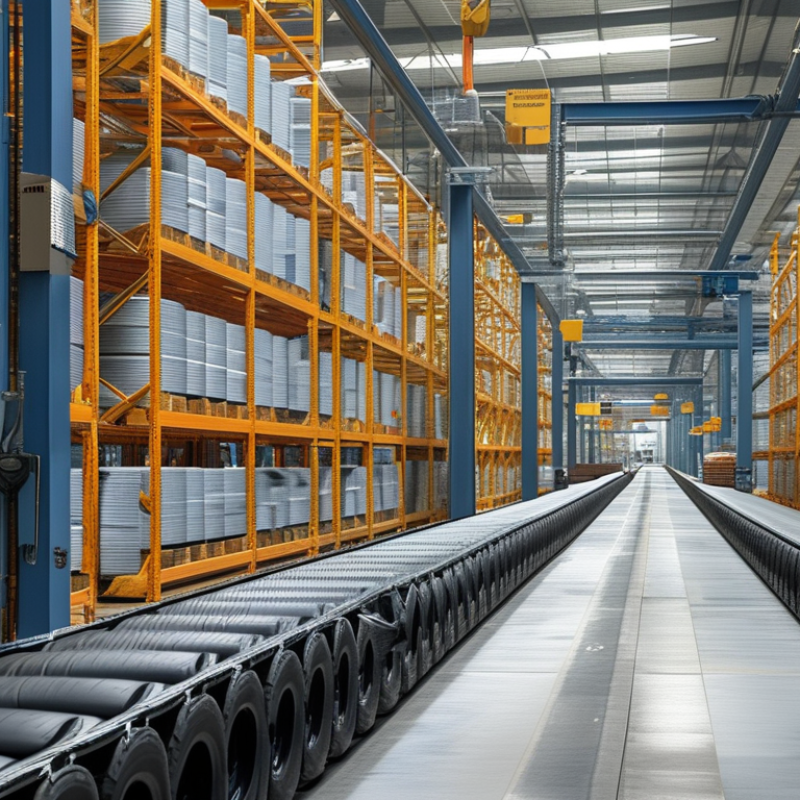
Tire conveyors play a crucial role in improving material handling efficiency. They streamline the transportation of tires, reducing manual handling. This automation minimizes error rates and enhances productivity. With the ability to transport heavy loads, tire conveyors reduce the physical strain on workers. This is important for maintaining a safe working environment.
The system is designed for flexibility. It can be customized to fit various layouts and space constraints. This adaptability allows facilities to optimize their workflow. Furthermore, tire conveyors can be integrated with existing storage solutions. This integration helps in maximizing space and improving inventory management.
While tire conveyors offer many advantages, there is a need for regular maintenance. Neglecting upkeep can lead to inefficiencies and possible breakdowns. Operators must be trained to address minor issues before they escalate. A proactive approach ensures that the system remains reliable and efficient. This balance between automation and human oversight is essential for long-term success in operations.
Key Features of Tire Conveyor Systems for Enhanced Storage Solutions
Tire conveyor systems offer significant advantages in logistics and storage efficiency. These systems streamline the movement of tires, reducing manual handling. According to a report by the International Material Handling Industry, effective conveyor systems can enhance productivity by up to 40%. This improvement results in faster turnaround times in industries where time is critical.
One key feature of tire conveyor systems is modularity. This allows businesses to customize the setup according to specific needs. Data from industry studies show that customizable systems lead to a 25% increase in space efficiency. By utilizing vertical space and minimizing the footprint, organizations can optimize warehouse environments. Moreover, automated conveyors reduce labor costs. Automation has been shown to lower operational expenses by approximately 30% over time.
Safety is another essential aspect. Well-designed tire conveyor systems reduce workplace injuries, which can lead to long-term savings. The National Safety Council reports that ergonomic improvements, such as conveyors, can decrease incident rates by nearly 15%. Even with these benefits, challenges remain. Companies may face initial setup costs or the need for employee training. Balancing these factors is crucial for maximizing efficiency.
Comparison of Tire Conveyors and Traditional Handling Methods
Tire conveyors offer a significant advantage over traditional handling methods in terms of efficiency and safety. Unlike manual handling, which can lead to injuries, conveyors automate the transportation process. This reduces the risk of accidents and streamlines operations. Workers can focus on quality checks and other critical tasks instead of relying on physical labor.
Traditional methods often involve forklifts or manual stacking, which may result in damage to the tires. The precision of a tire conveyor minimizes this risk. Conveyors can gently place tires without the jostling that often occurs with manual handling. This leads to fewer damaged products and reduced waste.
However, not all tire handling operations may be suited for a conveyor system. Smaller facilities may face higher initial costs, and integration may require adjustments. Companies must evaluate their specific needs and consider potential challenges. Relying solely on a new system without proper training or maintenance can lead to inefficiencies. Understanding both the benefits and potential drawbacks is essential for a successful transition.
Optimization of Warehouse Space with Tire Conveyor Systems
Innovative warehouse solutions are crucial for efficiency. Tire conveyor systems offer a practical approach to optimizing warehouse space. These systems streamline the storage and handling of tires, making operations smoother. By organizing tires vertically or horizontally, they reduce the footprint needed for storage.
With a tire conveyor, the movement of products becomes automated. This minimizes manual labor and speeds up processes. Tire conveyors can transport large volumes, which is especially helpful during peak seasons. Their modular nature also allows for easy adjustments to adapt to warehouse changes. However, ensuring proper maintenance is vital for longevity.
Implementation is not without challenges. Some facilities may require modifications to integrate these systems effectively. Staff training is also necessary. Creating a balance between technology and human touch is essential for a smooth transition. While tire conveyor systems offer great benefits, ongoing evaluation is necessary to identify improvement areas.
Why Choose a Tire Conveyor and Storage Line for Efficiency?
| Dimension |
Description |
Benefits |
Efficiency Improvement (%) |
| Storage Capacity |
Maximize vertical and floor space usage |
Increased inventory holding |
35% |
| Sorting Speed |
Automated sorting for quick retrieval |
Faster order processing |
40% |
| Labor Efficiency |
Reduces manual handling of products |
Less workforce required |
30% |
| Inventory Accuracy |
Enhanced tracking and management |
Fewer stock discrepancies |
25% |
| Operational Costs |
Reduced energy and labor costs |
Lower overhead expenses |
20% |
Impact of Tire Conveyor Technology on Labor Productivity and Cost Savings
Tire conveyor technology significantly enhances labor productivity in various manufacturing settings. These systems streamline transportation, reducing the need for manual handling. Workers can focus on more complex tasks instead of moving tires physically. This shift leads to heightened efficiency on the production line.
Employing tire conveyors also results in substantial cost savings. Fewer workers are required for transportation duties, reducing payroll expenses. Moreover, companies often see a decrease in workplace injuries related to heavy lifting. However, initial installation costs may deter some businesses. Evaluating long-term benefits against upfront investments is essential.
Despite these advantages, organizations must consider potential bottlenecks. When conveyors are overloaded, issues may arise. Regular maintenance is crucial to avoid disruptions. Understanding the intricacies of implementing these systems can foster a smoother transition and maximize benefits. Operational readiness and adaptability remain key in leveraging this technology effectively.
Impact of Tire Conveyor Technology on Labor Productivity and Cost Savings