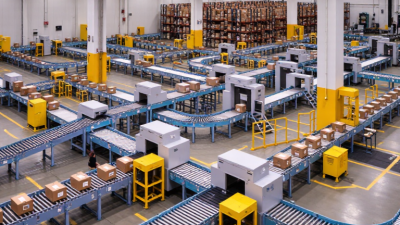
Top 10 Conveyor Systems Manufacturers for Global Buyers
Choosing among the Top 10 Conveyor Systems Manufacturers for Global Buyers is not simply a brand comparison. The right system must match the product, operating rate, available floor space, and maintenance skills on site. A parcel hub moving cartons has different demands from a plant carrying abrasive stone. Even small details matter: belt width, transfer-point height, motor access, and the time needed to replace a worn roller.
Conveyor specialist R. Todd Swinderman’s bulk-handling work emphasizes understanding the material and operating conditions before selecting equipment. A concise paraphrase of that guidance is: “Understand the material before choosing the conveyor.” This principle helps buyers ask better questions about load, speed, dust, washdown needs, and expected service life. It also keeps a polished brochure from standing in for engineering evidence.
This guide compares manufacturers through practical buyer criteria, including product range, customization, controls, service support, and experience with different industries. No single company is best for every application. A supplier with a strong global network may suit a multinational project, while a regional specialist may respond faster to a difficult installation. The distinction is not always obvious. Buyers should check references, request clear performance assumptions, and confirm who will support the equipment after commissioning. The shortlist can guide research, but it cannot replace a site assessment. That limitation deserves attention.
Conveyor System Types, Components, and Common Applications
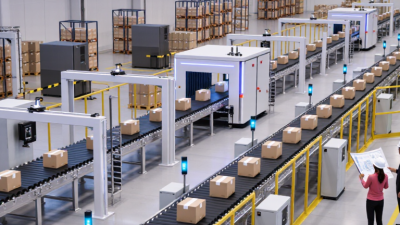
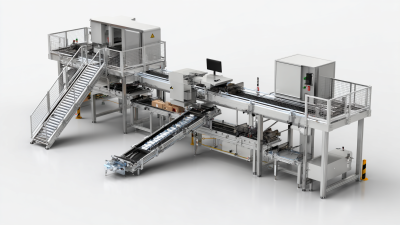
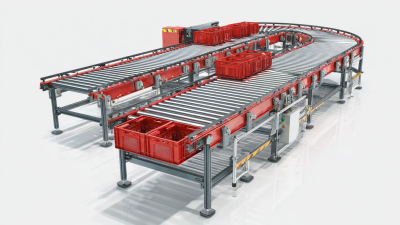
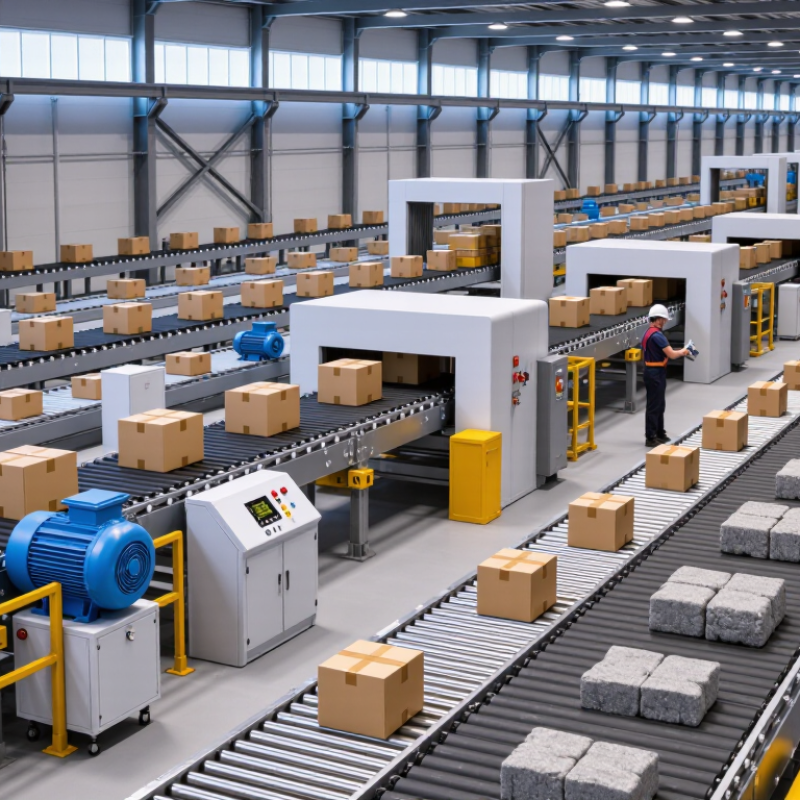
Conveyor systems move cartons, components, and bulk materials through warehouses, factories, and distribution centers. Belt conveyors handle mixed cartons well; roller conveyors suit rigid boxes that need accumulation. Chain systems carry heavier loads, while screw conveyors move powders through enclosed troughs. The choice depends on weight, speed, incline, dust, and cleaning needs. Small details matter. A damp washdown area can quickly expose a poor material choice.
Grand View Research estimated the global conveyor system market at USD 9.4 billion in 2023, with projected growth of 5.9% annually from 2024 to 2030. That forecast reflects broad demand, not a guarantee for every facility. Drives, pulleys, rollers, bearings, sensors, and control panels all affect reliability. A sensor placed too late may allow cartons to collide. Not always obvious. In parcel hubs, powered rollers and belts support sorting; in food plants, hygienic belts and washable frames help reduce residue buildup. Mining operations often need heavy-duty belt systems for continuous bulk movement. Specifications on paper can still miss real product variation, so test representative loads before installation.
Criteria for Evaluating Manufacturers in the Global Market
A global buyer should compare conveyor manufacturers against the same operating requirements, not just quoted prices. Start with product fit: belt width, load range, speed, incline, and available floor space. Ask for technical drawings and performance data that match your actual materials. Numbers matter. A system designed for cartons may not handle damp, abrasive, or irregular loads reliably.
Check how well the manufacturer supports integration and commissioning. Can its engineers explain how sensors, controls, and emergency stops will work with your existing line? Request references from installations with similar throughput and operating conditions. Specific details, such as how a system handles peak-hour accumulation, are more useful than broad claims. A polished presentation can still leave practical questions unanswered.
Service capability deserves equal attention. Compare spare-parts availability, technician response times, training, and maintenance instructions. Request a clear breakdown of energy use and expected service tasks, rather than relying on a single lifetime-cost estimate. If possible, inspect a working installation or test representative products before purchase. No scorecard catches every mismatch; even careful buyers may discover that a promising design needs adjustment once it meets real production rhythms.
Profiles of Ten Conveyor Systems Manufacturers
A practical global shortlist should compare capabilities, not treat “top ten” as a universal ranking. One profile focuses on modular belt conveyors for packaging lines, where easy cleaning and quick belt replacement matter. Another builds roller systems for cartons; roller pitch can affect small-box stability. A third handles heavy loads with chain-driven beds and reinforced frames. The fourth designs food-grade lines with washdown-ready components. The fifth specializes in steep inclines using cleated belts. The sixth serves warehouses with sorting and merging systems. The seventh supplies portable conveyors for temporary loading areas. The eighth makes compact systems for tight production rooms. The ninth develops long-distance bulk conveyors. The tenth integrates controls, sensors, and custom layouts. These profiles highlight different strengths, not guaranteed performance. A polished brochure can still leave maintenance access unclear. Ask about it.
Tips: Give suppliers your product dimensions, peak hourly volume, load weight, and available floor space. Request a layout drawing and a maintenance plan. Ask how belt tracking, emergency stops, and spare parts are handled. Compare operating conditions, not just quoted prices. A system that fits the drawing may still create awkward cleaning or repair work on site.
Comparing Product Portfolios, Industries, and Global Reach
Comparing conveyor systems manufacturers means looking beyond headline capacity. Product portfolios may include belt, roller, chain, and modular systems, but not every supplier supports each design equally well. A food plant may need washable frames and careful drainage. A parcel hub often values high throughput, sensor integration, and quick access for maintenance. Mining operations face different demands, including abrasive material and long transfer distances. The right fit depends on the actual load, operating hours, layout, and service conditions.
Global reach matters after installation, not just during shipping. Check whether a manufacturer can provide spare rollers, belts, controls, and technical support near your facilities. Ask how regional teams handle commissioning and urgent repairs. A wide dealer network can help, but response times still vary. This part is easy to overlook. Compare warranty terms, documentation, and language support across the same regions where your sites operate.
Tips: Request a portfolio matched to your materials, throughput, and environment. Ask for references from similar industries, then verify service coverage at each site. Compare total operating costs, not only purchase price. A cheaper system may require more labor or downtime later. And specifications can look perfect on paper; real layouts often expose awkward transfer points, so review drawings with the people who maintain the line.
How Global Buyers Can Assess Suppliers and Select a Manufacturer
Global buyers should assess conveyor manufacturers against the actual job, not a polished brochure. Define the product dimensions, peak load, target throughput, shift pattern, and operating environment. A system moving damp produce needs different materials and cleaning access than one carrying sealed cartons. Ask suppliers to explain how their proposed design handles jams, uneven loading, and future line changes.
Request layout drawings, component specifications, maintenance schedules, and test records for comparable installations. Useful evidence includes measured throughput, downtime data, and the conditions under which tests were performed. Check whether the supplier can provide local technical support, replacement parts, and clear response times. Visit an operating site if possible. Watch a full production cycle, not just a staged demonstration. Small details matter: belt tracking, guarding access, and how quickly an operator can reach an emergency stop. Not glamorous, but revealing.
Compare proposals using the same requirements and document any exclusions. A low purchase price may leave installation, controls integration, or training outside the quoted scope. Ask for references from buyers with similar products and operating hours, then verify the claims directly. No scorecard removes judgment. I would revisit assumptions when production data is incomplete; suppliers may also estimate performance under ideal conditions. The best fit is usually the manufacturer that explains trade-offs plainly and supports the equipment after commissioning, not simply the one promising the highest speed.