2025 Top 5 Trends in Conveyor Technology Shaping the Future of Industry
As the industrial landscape continues to evolve, the significance of Conveyor Technology in optimizing operations has never been more pronounced. According to Dr. Emily Tran, a leading expert in automation and logistics,
"The integration of advanced conveyor systems is not just a trend; it's a necessity for industries aiming to enhance efficiency and reduce operational costs."
This perspective highlights the critical role that conveyor systems will play in the future of manufacturing and distribution.
In 2025, we anticipate five major trends in Conveyor Technology that promise to reshape industrial practices. These trends not only reflect technological advancements but also cater to the growing demands for
sustainability, flexibility, and automation. As industries seek to streamline their processes and improve productivity, embracing these innovations will be essential for remaining competitive in a rapidly changing marketplace.
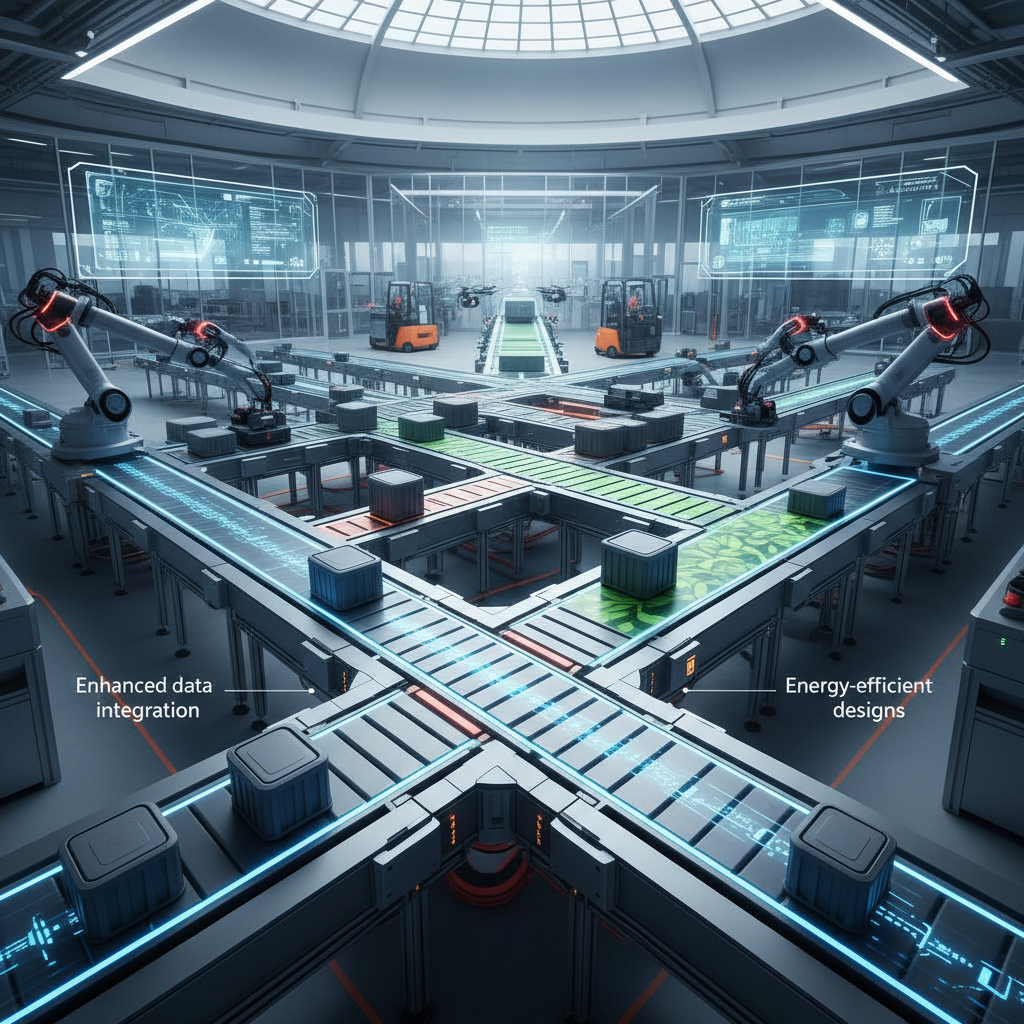
The evolution of Conveyor Technology is paving the way for smarter, more efficient operations. From enhanced data integration to energy-efficient designs, the future of conveyor systems is brighter than ever. As we delve into these trends,
it becomes clear that adapting to these changes is key for industries aiming to thrive in the coming years.
Innovative Automation: The Rise of Smart Conveyors in Industrial Applications
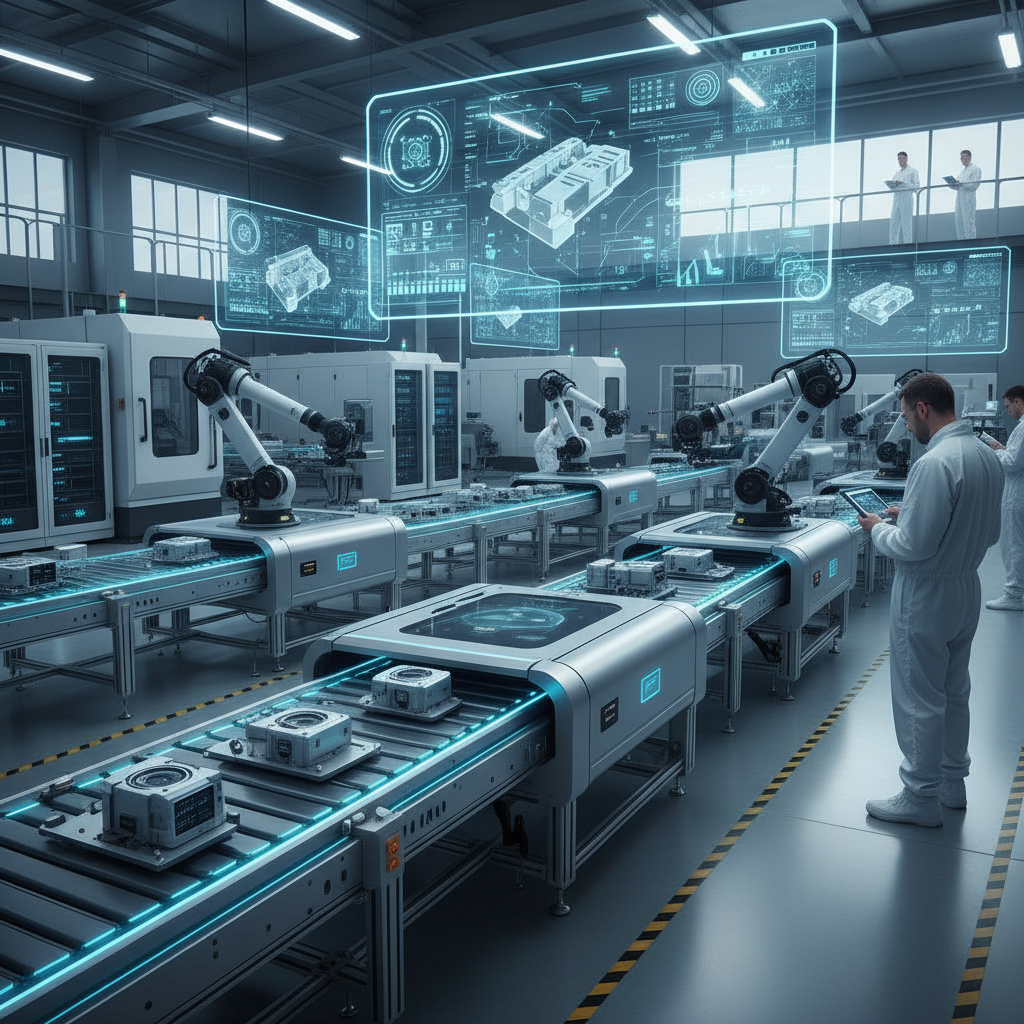
In recent years, the industrial landscape has undergone a significant transformation, largely due to the rise of smart conveyor systems. These innovative automation solutions are redefining operational efficiency by integrating advanced technologies such as AI, IoT, and machine learning. Smart conveyors enable real-time monitoring and predictive maintenance, reducing downtime and enhancing productivity. By harnessing data analytics, these systems optimize material flow, adapt to changing production demands, and offer unparalleled flexibility in manufacturing processes.
Moreover, the adoption of smart conveyors is pivotal in enhancing workplace safety and ergonomics. Equipped with sensors and automation features, these conveyors can minimize manual handling and reduce the risk of workplace injuries. As industries continue to seek ways to improve operational efficiency and safety, the transition to automated, intelligent conveyor systems is not just a technological upgrade; it is becoming a critical competitive advantage. By embracing this trend, businesses can ensure a more sustainable and responsive manufacturing environment, ultimately leading to increased profitability and customer satisfaction.
Sustainable Solutions: Eco-Friendly Materials and Energy Efficiency in Conveyor Design

As industries evolve, the integration of sustainable solutions in conveyor technology has become imperative. Recent reports indicate that the global market for eco-friendly materials in industrial applications is projected to reach $412 billion by 2025, highlighting a significant shift towards sustainability. Companies are increasingly opting for materials like recycled metals and bio-based plastics to reduce their carbon footprint, thereby addressing environmental concerns while maintaining operational efficiency.
Energy efficiency is another critical aspect of modern conveyor design. According to the International Energy Agency, improving energy efficiency in manufacturing processes can lead to a potential reduction of up to 13% in global energy consumption by 2030. This trend has spurred innovations in conveyor systems, such as the incorporation of regenerative drives and advanced control systems that optimize energy usage. By leveraging these technologies, organizations not only enhance their sustainability credentials but also achieve substantial cost savings in their operations.
Data-Driven Decisions: How IoT and AI are Revolutionizing Conveyor Systems
The integration of the Internet of Things (IoT) and artificial intelligence (AI) into conveyor systems is transforming the industry landscape. By leveraging real-time data, manufacturers can optimize operations, enhance productivity, and reduce downtime. IoT sensors embedded in conveyor systems collect critical performance metrics such as speed, temperature, and wear levels, providing actionable insights that facilitate data-driven decisions. This capability allows for predictive maintenance, ensuring that potential issues are addressed before they lead to significant disruptions, thus streamlining workflows.
AI plays a vital role in analyzing the vast amounts of data generated by IoT devices. With advanced algorithms, AI can identify patterns and trends, leading to adaptive control of conveyor operations. This means conveyor systems can automatically adjust to changes in production demands, product types, or potential bottlenecks. Companies can optimize inventory management and logistics processes, ultimately resulting in faster turnaround times and increased customer satisfaction. The fusion of IoT and AI not only revolutionizes conveyor systems but also sets a new standard for operational excellence across various industries.
Modular Design Trends: Flexibility and Scalability in Modern Conveyor Technology
In recent years, the evolution of conveyor technology has placed a significant emphasis on modular design trends, enabling businesses to adapt their systems with unmatched flexibility and scalability. Modular conveyor systems are composed of standardized components, which allows manufacturers to easily configure and reconfigure their layouts as production needs evolve. This adaptability is crucial in an era where market demands shift rapidly, and companies seek to optimize efficiency while responding to unforeseen challenges.
Moreover, modular designs reduce downtime during upgrades and maintenance. Instead of overhauling an entire system, operators can replace or modify specific modules, minimizing disruption and maximizing productivity. This principle of modularity not only empowers industries to scale operations up or down, but it also enhances the integration of advanced technologies such as automation and IoT. With these capabilities, modern conveyor systems can quickly adjust to varying product types and sizes, reinforcing the importance of flexibility in today’s fast-paced manufacturing environments.
2025 Top 5 Trends in Conveyor Technology
This bar chart illustrates the adoption rates of the top 5 trends in conveyor technology projected for 2025. Modular design leads the way with a significant 75% industry adoption, highlighting its flexibility and scalability, essential for modern manufacturing processes.
Enhanced Safety Features: Protecting Workers with Advanced Conveyor Systems
Enhanced safety features in conveyor systems are becoming increasingly critical as industries strive to protect their workforce while maximizing operational efficiency. Advances in technology, such as real-time video analytics, allow for improved monitoring of conveyor operations, significantly reducing the risk of accidents. These systems can identify potential hazards before they lead to incidents, providing a proactive approach to worker safety.
Integration of such advanced features not only enhances security but also contributes to optimizing workflows and improving inventory management in warehouses and manufacturing facilities.
Moreover, the modernization of conveyor technology is aligned with broader trends in industrial safety and efficiency. Innovations such as automated risk assessments and smart diagnostic tools enable continuous monitoring and maintenance of conveyor systems. This results in reduced downtime and costly stoppages, ensuring that operations remain smooth and safe. As businesses invest in cutting-edge safety mechanisms, they can create a safer working environment, ultimately fostering a culture of safety and productivity that benefits both employees and the organization as a whole.