Top 10 Automation Conveyors for Efficient Industrial Use?
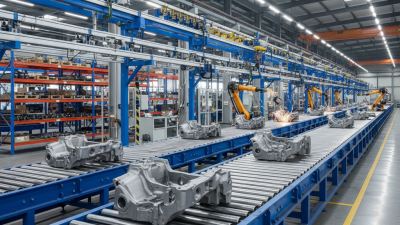
In modern manufacturing, efficiency is key. Automation conveyors play a vital role in optimizing production lines. These systems streamline processes, reduce manual labor, and save time. Businesses often struggle to choose the right conveyor. Each type of automation conveyor has unique features suited for specific tasks.
Automation conveyors can improve workflow significantly. For instance, belt conveyors are versatile and easy to use. However, they may not always be the best for heavy items. Other options, such as roller conveyors, cater to different needs. The choice depends on the products and the production environment.
Selecting the right automation conveyor requires careful thought. Consider load capacity, speed, and layout. Firms may overlook their long-term needs. This oversight can lead to inefficiencies. Candidly evaluating all options will yield the best results. Investing in the right automation conveyor is essential for sustainable growth.
Overview of Automation Conveyors in Industrial Applications
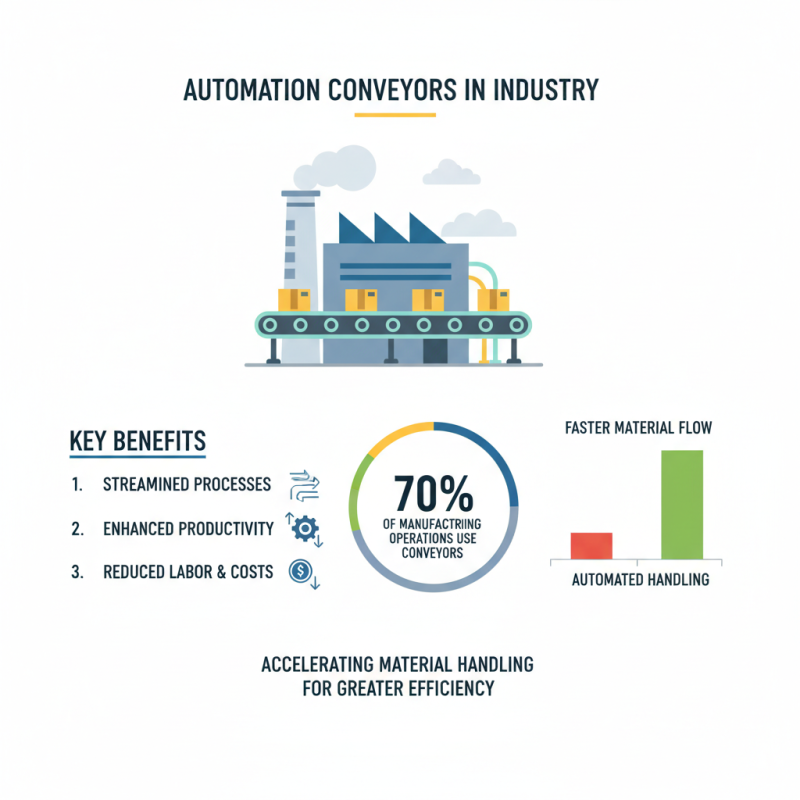
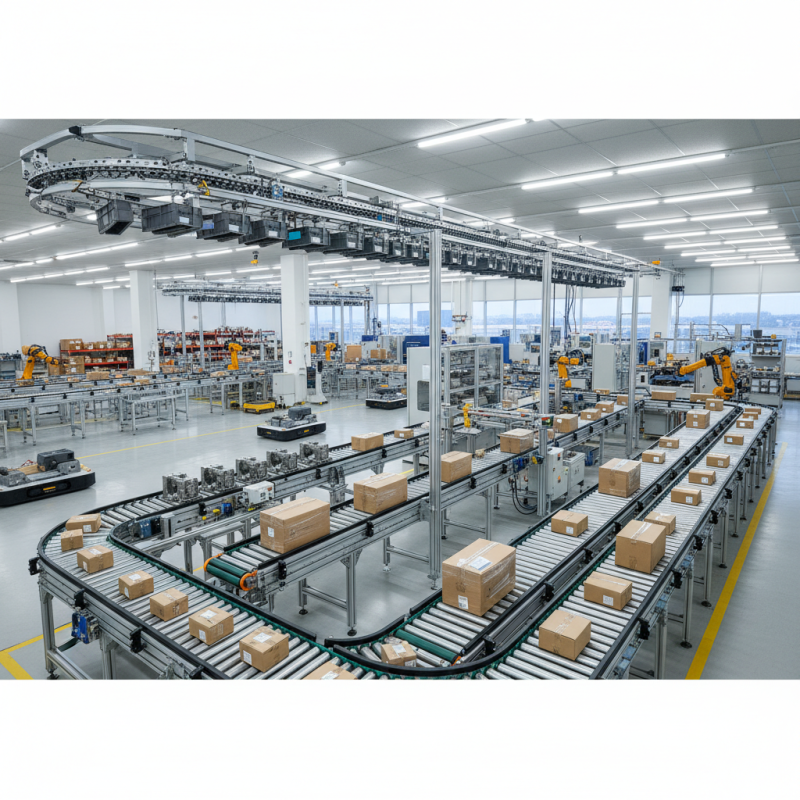
Automation conveyors play a crucial role in modern industrial applications. They streamline processes and enhance productivity. According to recent industry reports, up to 70% of manufacturing operations now utilize some form of conveyor systems. These systems reduce manual labor and accelerate material handling, leading to cost savings and increased efficiency.
In different sectors, the right type of conveyor can significantly impact workflow. For instance, in warehouses, belt conveyors are favored for moving bulk products. Roller conveyors work well for heavy items, while modular conveyors offer flexibility and adaptability. These choices can shape output quality. Research indicates that implementing automated solutions can improve efficiency by 50%, but users must consider maintenance needs too. An overlooked aspect can lead to downtime, which is costly.
Tip: Regular maintenance checks are essential. Ensure that your conveyors' moving parts are properly lubricated and free of debris. This simple act can prevent operational hiccups. Additionally, training staff on usage is vital. Properly trained employees can maximize the benefits of automation. Many organizations still struggle with this aspect, leading to suboptimal performance. The human element in automation should never be underestimated.
Key Features to Consider When Selecting Automation Conveyors
When selecting automation conveyors, several key features must be considered. The material of the conveyor is crucial. It should withstand the weight of products and resist wear. Many conveyors use stainless steel or plastic, each serving different purposes. The choice affects durability and maintenance needs.
Another vital aspect is the conveyor's speed and throughput. A fast conveyor improves productivity. However, speed may lead to errors if systems aren't properly calibrated. Monitoring systems can help, but they add complexity. This is a crucial trade-off in automation. Flexibility is also significant. Conveyors should adapt to various product shapes and sizes. Standard options may not fit all production lines, causing bottlenecks.
Lastly, control systems play a key role. User-friendly interfaces help operators manage the workflow effectively. Complicated controls may frustrate users, leading to mistakes. Each feature can impact output differently. Reflecting on these factors can guide better choices in automation.
Top 10 Automation Conveyors: Specifications and Use Cases
Automation conveyors play a crucial role in improving efficiency in various industrial settings. They help in transporting materials smoothly across production lines. A recent report by Industry Research Insights indicates that the global conveyor system market is expected to reach $8 billion by 2027, highlighting the growing reliance on automation.
Many automation conveyors come with different specifications to meet industry demands. For example, modular belt conveyors offer flexibility in layout design. Alternatively, roller conveyors are great for moving heavy items efficiently. Each type serves a unique purpose, catering to various operational needs. It’s essential to analyze these specifications carefully to optimize logistics processes.
Tips: Regular maintenance is key. A malfunction can halt production. Understand your specific requirements before investing. Don’t overlook employee training on new systems. A lack of understanding can hinder efficiency and lead to costly errors. Adopting automation can be daunting but is often necessary. Evaluate potential challenges before implementing new systems.
Comparative Analysis of Automation Conveyors by Efficiency and Cost
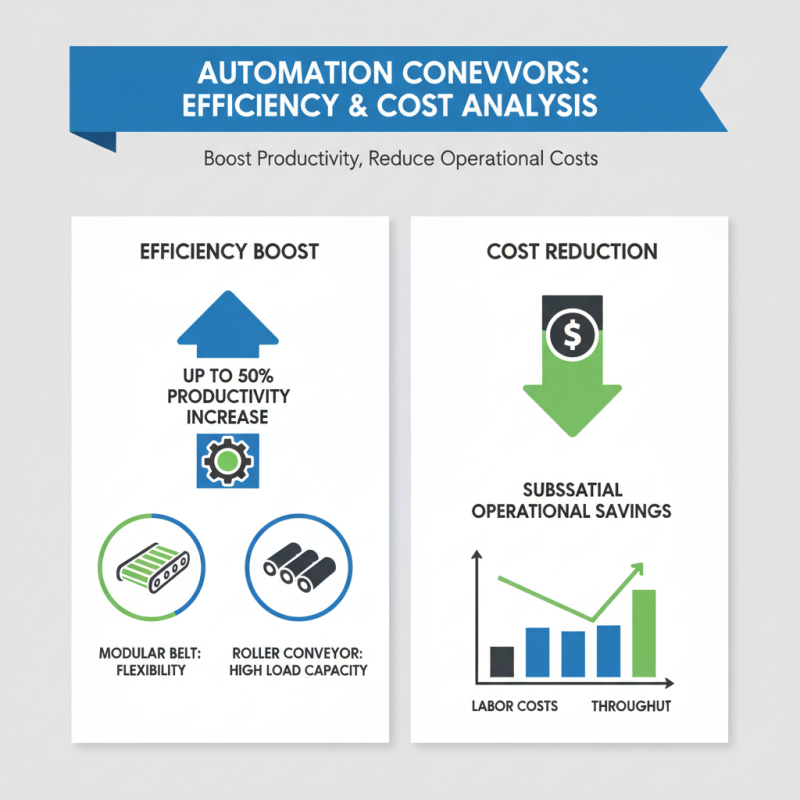
In the realm of industrial automation, conveyors play a critical role in enhancing efficiency. A recent industry report highlights that automated conveyor systems can increase productivity by up to 50%. This significant enhancement can reduce operational costs substantially. Different types of conveyors are available, each presenting unique advantages. For example, modular belt conveyors offer flexibility, while roller conveyors excel in load capacity.
Cost considerations vary widely. While initial investments in automation can be high, the long-term savings are undeniable. Research suggests that companies can recoup their investment in automated systems within three years, primarily through decreased labor costs. However, not every system suits every application. Some setups may prove inefficient for specific products, leading to potential bottlenecks.
It's crucial to analyze the data meticulously. Efficiency must not compromise safety or product quality. Incorporating advanced sensors and AI can optimize performance but requires careful planning. Some systems may also present maintenance challenges. Regular upkeep is key to maintaining productivity. Companies must evaluate these factors to tailor solutions to their specific needs, balancing costs against desired outcomes.
Future Trends in Automation Conveyor Technology for Industries
The automation conveyor industry is rapidly evolving, adapting to the complexities of modern manufacturing. One emerging trend is the integration of artificial intelligence. AI can optimize operations by predicting maintenance needs. This shift reduces downtime, contributing to more efficient workflows. However, implementing AI can be challenging. Companies must train their staff to understand and manage these technologies.
Another significant trend is modular conveyor systems. These systems offer flexibility in design and function. Businesses can easily reconfigure or expand their conveyor layouts as needs change. Yet, this adaptability can lead to inconsistent performance if not managed properly. It is vital to balance flexibility with stability.
Sustainability is also gaining importance. Automation conveyors are now being designed with eco-friendly materials. Energy-efficient motors and recyclable components are becoming standard. Nonetheless, the initial costs can be high, posing challenges for smaller enterprises. Companies must weigh the long-term benefits against these upfront investments. The future of automation conveyors is promising, but it requires careful consideration and planning.
Top 10 Automation Conveyors for Efficient Industrial Use
This chart showcases the efficiency rating of various automation conveyors in industrial settings. The ratings are based on factors such as speed, load capacity, and energy efficiency.