Leave Your Message

Top 5 Conveyor Equipment for Efficient Supply Chain Solutions?

The efficiency of supply chains heavily relies on the choice of Conveyor Equipment. According to a report by Grand View Research, the global conveyor systems market size is expected to reach $11.62 billion by 2025. This highlights the growing demand for effective material handling solutions.

Experts in the industry, like Dr. Emily Hartman, emphasize the role of automation. She states, "Investing in advanced conveyor systems can significantly reduce operational bottlenecks." This insight reflects the need for companies to adapt to new technologies for optimal efficiency.

The implementation of cutting-edge conveyor solutions is crucial. Companies often overlook the importance of selecting the right equipment. Many face challenges in integrating new systems into their existing workflows. This can lead to delays and increased costs. Evaluating options carefully is vital for achieving long-term success in supply chain management.
Top 5 Conveyor Equipment for Efficient Supply Chain Solutions?

Top 5 Conveyor Equipment for Efficient Supply Chain Solutions

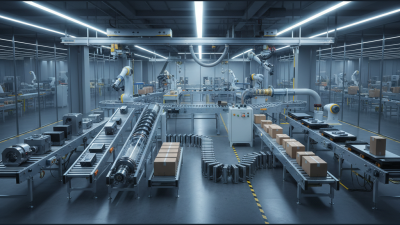
Conveyor systems play a crucial role in optimizing supply chains. Efficient conveyor equipment can streamline operations, reduce manual labor, and enhance speed. Here, we explore five types of conveyors that are essential for this efficiency.

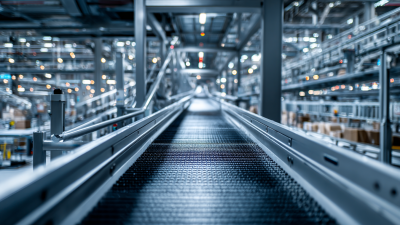
Belt conveyors are versatile and widely used. They transport items across various distances. Their continuous operation reduces downtime. However, maintaining the right tension is vital. An improperly tensioned belt can cause slippage or damage.

Another effective option is roller conveyors. They allow for easy movement of goods. These systems work well for heavy items. Remember, regular cleaning and inspection are necessary. Dust and debris can hinder performance.

Flexible conveyors are ideal for dynamic environments. They can be adjusted to fit spaces easily. However, over time, they may wear and lose structural integrity. Routine checks can help catch issues early.

Tips: Always consider the load capacity when choosing your conveyor. An under-capacity system may lead to breakdowns. Additionally, involve your team. Their feedback can reveal practical insights on equipment usage.

Automated guided vehicles (AGVs) integrate well with conveyor systems. They move materials autonomously, saving time. Nonetheless, proper programming is essential for them to function correctly.

Ultimately, selecting the appropriate conveyor equipment can transform your supply chain. Assess your specific needs to ensure efficiency. Don't ignore the human element; technology works best when complemented by team input.

Understanding the Role of Conveyor Equipment in Supply Chains

Top 5 Conveyor Equipment for Efficient Supply Chain Solutions?

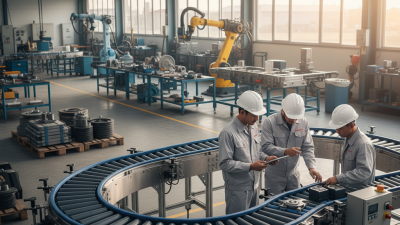
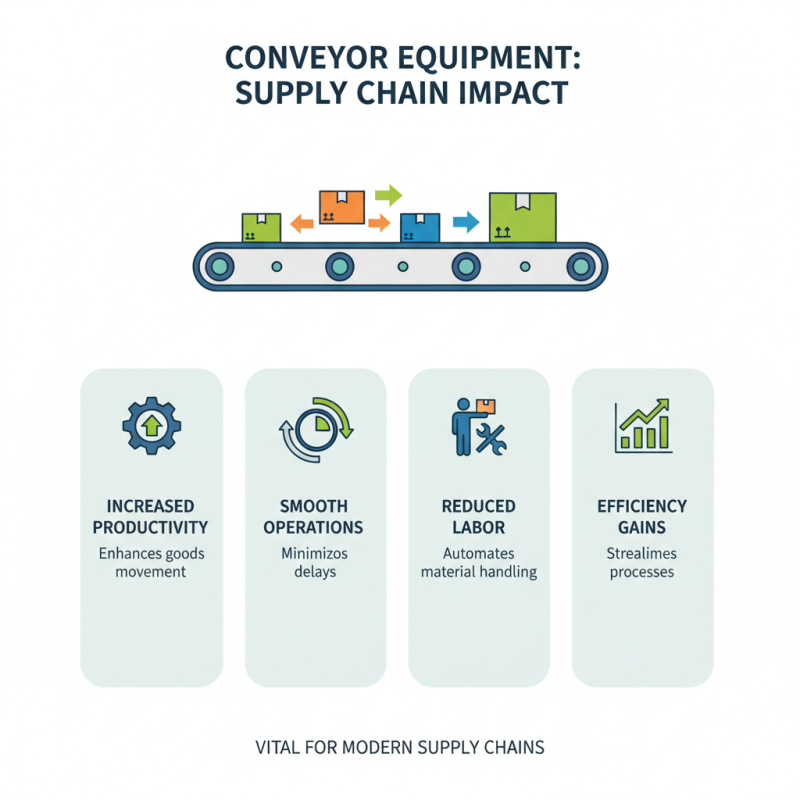
Conveyor equipment plays a vital role in modern supply chains. It enhances productivity and ensures smooth operations. This type of equipment streamlines the movement of goods. It minimizes delays and reduces manual labor. Businesses see significant efficiency gains by integrating conveyors into their processes.

Understanding the specifics of conveyor systems is key to maximizing benefits. These systems vary in type, such as belt, roller, or modular conveyors. Each type has unique advantages suited for different tasks. However, selecting the wrong system can lead to bottlenecks. A thorough analysis of needs is essential when choosing conveyor equipment.

Continuous evaluation of conveyor performance is necessary. Regular maintenance can prevent unexpected breakdowns. It's also important to train staff on best practices. A well-informed team will utilize the equipment effectively. Balancing efficiency with safety can be challenging yet rewarding. Operators should be aware of potential risks to maintain a secure working environment.

Key Features to Look for in Conveyor Systems

When considering conveyor systems for supply chain solutions, key features can significantly impact efficiency. First, look for speed control options. A system that allows variable speed settings can help adapt to different product types and handling processes. This flexibility can enhance workflow and reduce downtime.

Durability is another critical aspect. Conveyor equipment operates in demanding environments. Therefore, robust materials should be used to withstand wear and tear. It's vital to assess load capacity and maintenance needs. A reliable system minimizes interruptions in daily operations, ensuring that products move seamlessly through the supply chain.

Moreover, consider modular design. Modular conveyors can be reconfigured easily for changing facility layouts. This adaptability can sustain long-term efficiency as companies evolve. Observation and adaptability in design may highlight improvement areas you didn’t originally consider. Keep an open mind to modification possibilities when choosing your system.

Comparative Analysis of Different Conveyor Types

Conveyor systems are vital for modern supply chains. They enhance efficiency by streamlining the movement of goods. Each conveyor type has distinct advantages and disadvantages. Understanding these can direct businesses towards the best fit for their operations.

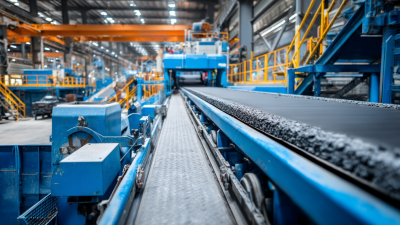
Belt conveyors are common in many industries. They handle continuous material flow effectively. However, they can be limited by weight. Roller conveyors, on the other hand, are versatile. They support individual item movement but require manual handling. This can increase labor costs.

Consider the case of modular conveyors. They offer flexibility for changing layouts. Yet, their initial setup can be complex and costly. Ultimately, every conveyor type has its strengths and weaknesses. Companies should take time to analyze their specific needs before selecting. This way, efficiency can be maximized while minimizing costs and risks.

Top 5 Conveyor Equipment for Efficient Supply Chain Solutions

Conveyor Type Load Capacity (lbs) Speed (ft/min) Power Consumption (kW) Best Use Case
Belt Conveyor 300 100 2.0 General Material Handling
Roller Conveyor 500 30 1.5 Package Handling
Chain Conveyor 1000 50 3.5 Heavy-Duty Applications
Screw Conveyor 750 25 2.2 Granular Materials
Magnetic Conveyor 400 40 1.8 Metal Objects

Impact of Conveyor Technology on Supply Chain Efficiency

Conveyor technology plays a crucial role in enhancing supply chain efficiency. Efficient conveyors reduce handling time and operational costs. They enable smoother transitions of goods from one location to another, minimizing delays. By automating movement, businesses can achieve higher accuracy and productivity.

Tips for implementation: Assess your specific needs carefully. Not every facility benefits from the same conveyor system. Consider the types of products you handle. The layout of your space is also important. Small adjustments can lead to significant improvements.

While conveyors provide many advantages, they also come with challenges. Maintaining equipment is essential. Regular checks can prevent costly breakdowns. Understand that integrating new systems requires training. A poorly executed rollout can disrupt operations. It's important to plan for these potential pitfalls while embracing the benefits of conveyor technology.

Conclusion

The article titled "Top 5 Conveyor Equipment for Efficient Supply Chain Solutions?" explores the essential role that Conveyor Equipment plays in modern supply chains. It highlights key features to consider when selecting conveyor systems, such as speed, adaptability, and maintenance requirements. The comparative analysis of various conveyor types reveals their unique benefits and limitations, helping businesses make informed decisions.

Furthermore, the article discusses the impact of conveyor technology on supply chain efficiency, demonstrating how advanced systems can streamline operations and reduce costs. Lastly, it looks ahead at future trends in conveyor equipment, emphasizing the importance of innovation in optimizing supply chains for enhanced productivity and sustainability. Overall, Conveyor Equipment is positioned as a critical element for businesses aiming to improve their supply chain processes.