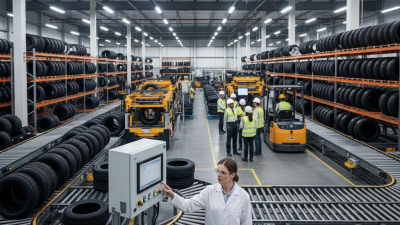
2026 Best Tire Conveyor and Storage Line for Global Buyers?
In today's fast-paced industrial landscape, the demand for efficient material handling solutions is paramount. The "Tire Conveyor and Storage Line" has emerged as a vital component for businesses engaged in tire manufacturing and retail operations. With the growing emphasis on logistics optimization, selecting the right equipment can significantly impact productivity.
Many global buyers face challenges when evaluating various conveyor systems. Factors such as durability, speed, and storage capacity play crucial roles. Each component of the Tire Conveyor and Storage Line should be tailored to meet specific operational needs. Yet, some buyers may overlook subtle differences that could affect long-term performance.
Investing in a high-quality Tire Conveyor and Storage Line is essential. The right choice can lead to improved workflow, reduced operational costs, and increased safety. It is important for buyers to not only seek technical specifications but also consider vendor reliability and customer support. As the market continues to evolve, staying informed will ensure that businesses remain competitive and efficient.
Overview of Tire Conveyor Systems in 2026
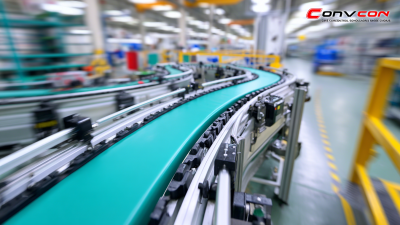
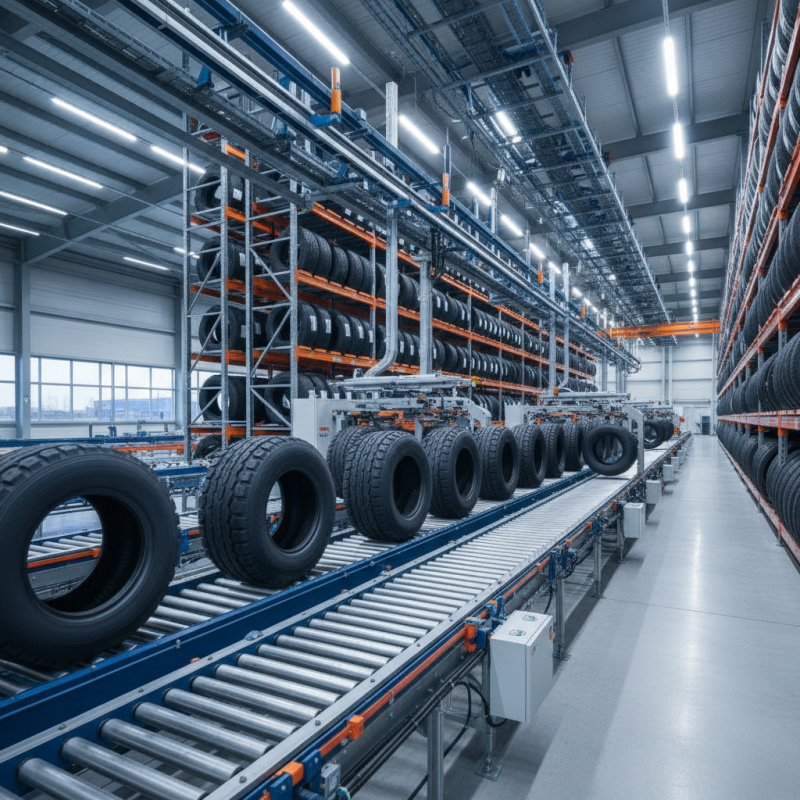
In 2026, tire conveyor systems have evolved significantly to meet the growing demand for efficiency in transport and storage. These systems are designed to enhance workflow in tire manufacturing and distribution. Modern conveyor systems utilize advanced technology to improve speed and reduce waste. They feature smart monitoring systems that track the movement of tires, ensuring timely delivery.
When considering a tire conveyor system, buyers should pay attention to load capacity. It's crucial to choose a system that can handle your maximum tire weight without strain. Additionally, ensure the conveyor design fits the layout of your facility. A poor fit can lead to inefficiencies and potential hazards.
Tips: Regular maintenance prolongs the lifespan of conveyor systems. Implement routine checks to address wear and tear promptly. Always train staff on safety protocols to minimize risks. Using clear signage around the conveyor areas can help prevent accidents.
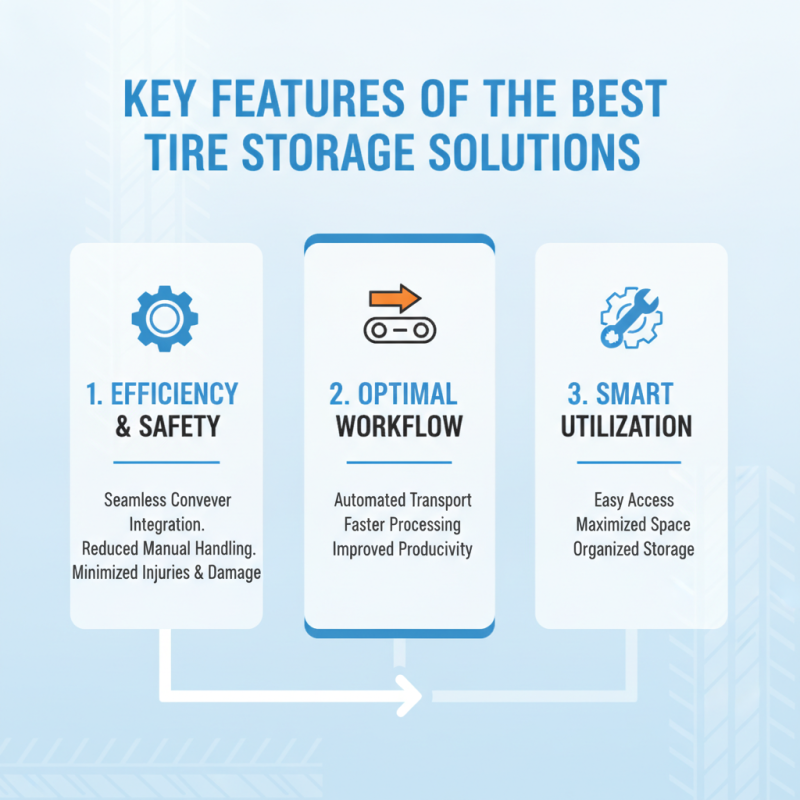
Key Features of the Best Tire Storage Solutions
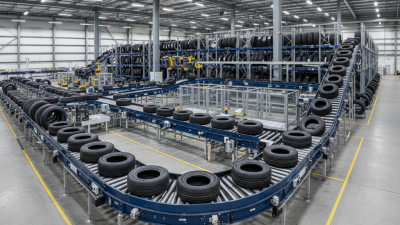
When considering tire storage solutions, efficiency and safety take center stage. The best systems offer seamless integration with conveyor technology. A well-designed tire conveyor can drastically improve workflow. It reduces the manual handling of tires, minimizing injuries and damage. Look for systems that ensure easy access and optimal space utilization.
Innovative storage solutions prioritize durability. They should withstand environmental factors while keeping tires secure. Adjustable shelving and racks help accommodate various tire sizes. Quality materials can enhance longevity. In a world focused on sustainability, eco-friendly options are becoming more popular. Yet, potential buyers should evaluate the trade-offs between cost and performance.
Also, user-friendly design can’t be overstated. Training staff on how to operate storage systems effectively can prevent mishaps. Additionally, regular maintenance is essential to avoid failures. Despite careful planning, challenges may arise with space constraints. A well-thought-out storage solution can mitigate these issues. Consider all aspects carefully to find what best fits operational needs.
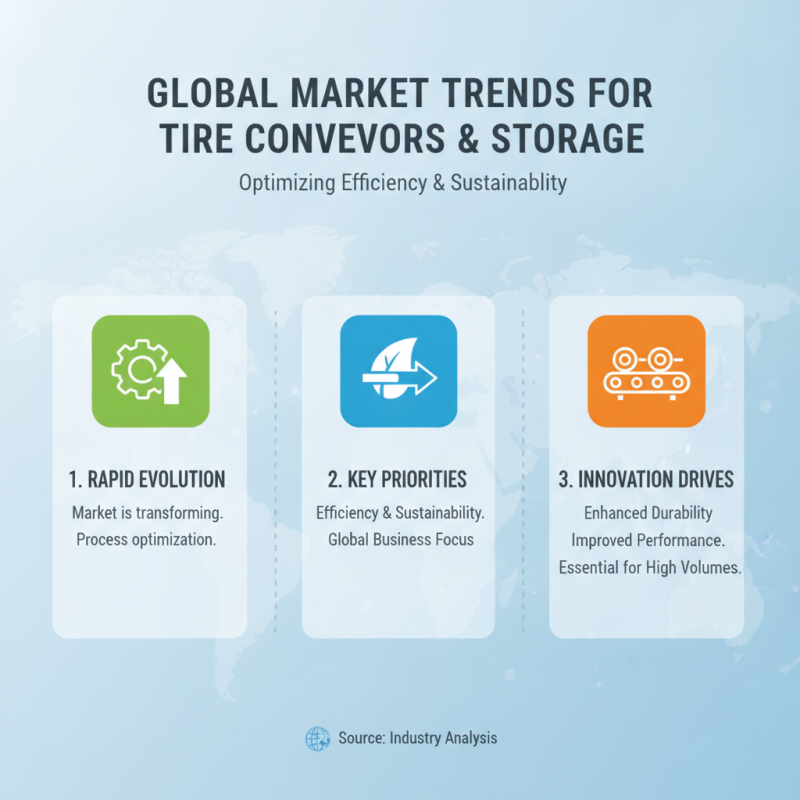
Global Market Trends for Tire Conveyors and Storage
The global market for tire conveyors and storage solutions is evolving rapidly. Companies are under pressure to optimize their processes. Efficiency and sustainability are becoming key priorities for businesses worldwide. Tire conveyors are essential for handling large volumes of tires effectively. They aid in processing, storage, and transportation. Innovations in design and technology are enhancing durability and performance.
Trends indicate a shift toward automation. Automated systems reduce labor costs and improve safety. However, many organizations struggle with initial implementation challenges. High upfront costs can deter investment. Moreover, finding reliable suppliers is crucial. The right partners can provide technical expertise and support long-term success.
Sustainability also plays a pivotal role in shaping market dynamics. Companies are exploring eco-friendly materials and energy-efficient operations. The commitment to reducing environmental impact is becoming a competitive advantage. However, transitions often face obstacles, like regulatory compliance and supply chain sustainability. Businesses must remain vigilant to navigate these complex trends successfully.
Top Manufacturers and Brands in the Tire Conveyor Industry
In the rapidly evolving tire conveyor industry, several manufacturers stand out. Their focus on innovation and efficiency makes them key players. Buyers should look for companies that invest in technology. These companies often provide real-time monitoring systems. This feature enhances operational efficiency and helps in maintenance. A robust conveyor system is crucial for storage and handling.
Quality is another essential factor. Many manufacturers now use advanced materials. This results in higher durability and longevity. Shorter downtime is a key objective for any operation. Selecting a reliable brand can significantly reduce replacement costs. However, not all brands deliver consistent quality. This is where research plays a crucial role. Performance reviews can offer insights into user experiences.
Sustainability is becoming increasingly significant. Manufacturers are exploring eco-friendly options. This trend reflects growing corporate responsibility. But, balancing cost and environmental impact remains challenging. Some products may have a higher initial cost. Yet, they can save money long-term through reduced energy consumption. Recognizing these trade-offs is vital. Buyers must evaluate their specific needs and understand this complex landscape.
2026 Best Tire Conveyor and Storage Line for Global Buyers
| Dimension |
Value |
| Max Load Capacity |
5000 kg |
| Conveyor Speed |
20 m/min |
| Material Type |
Steel and Rubber |
| Height Adjustment |
Adjustable 1-1.5 m |
| Power Supply |
3 Phase, 400V |
| Warranty Period |
2 Years |
| Maintenance Frequency |
Every 6 Months |
| Length of Conveyor |
10 m |
Sustainability and Innovation in Tire Storage Technologies
Sustainability in tire storage technologies is increasingly important. As the global demand for tires rises, so does the need for efficient storage solutions. According to a recent market report, the tire storage sector is expected to grow by 5.2% annually through 2026. This growth highlights the urgency for sustainable practices in tire management.
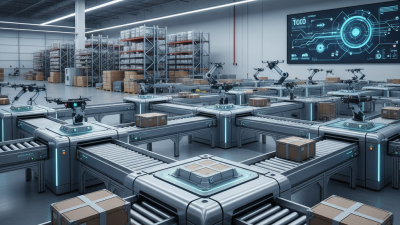
Innovative technologies are transforming how tires are stored. Automated conveyor systems enhance space utilization. They reduce labor costs and improve safety. Additionally, using durable materials for storage racks minimizes environmental impact. These solutions support a circular economy, aligning with sustainability goals. However, transitioning to these advanced systems can be costly. Many businesses struggle with initial investments and require ongoing maintenance.
Tip: Consider implementing a pilot program to test new storage technologies. This can minimize risk and improve understanding of the potential benefits.
Moreover, recycling processes for old tires are improving. They now create valuable products, from asphalt to fuel. Investing in tire recycling also contributes to reducing landfill waste. Each tire recycled takes up to 7 gallons of oil out of the environment. Nonetheless, many companies still face challenges in establishing effective recycling programs. They might lack the resources or knowledge to do so effectively.
Tip: Engage with organizations that specialize in tire recycling. They can provide essential insights and support.
2026 Best Tire Conveyor and Storage Technologies
This bar chart represents the estimated efficiency improvements in tire storage technologies over a three-year period (2024-2026). The efficiency is measured in percentage, showcasing the advances made in sustainability and innovation in this sector.