Best Conveyor Systems for Efficient Global Supply Chain Management?
In today's fast-paced global economy, effective supply chain management is crucial. Companies rely on advanced solutions to streamline operations. Conveyor systems play a vital role in this effort. These systems enhance productivity by automating the movement of goods.
Efficient conveyor systems minimize delays and reduce manual labor. They connect various stages of the supply chain seamlessly. However, not all conveyor solutions suit every industry. Companies must evaluate their specific needs before choosing a system.
Understanding the latest technology is essential. Factors like speed, capacity, and layout significantly impact performance. Businesses must also consider the potential challenges. Regular maintenance and adaptability are key to long-term success. By thoughtfully integrating conveyor systems, companies can navigate the complexities of global supply chains.
Overview of Conveyor Systems in Global Supply Chains
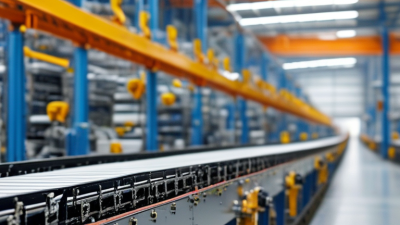
Conveyor systems play a vital role in global supply chain management. They improve efficiency and reduce operation time in various industries. These systems transport goods seamlessly across different stages, ensuring a steady workflow. From manufacturing to distribution, conveyors can significantly optimize processes.
Different types of conveyor systems cater to specific needs. For instance, belt conveyors are ideal for moving bulk materials. Roller conveyors work well for boxes and containers. Each type has its advantages and limitations. Factors like load capacity, speed, and maintenance should be evaluated.
Implementing conveyor systems is not without challenges. Companies may face issues with integration into existing systems. Training employees to operate these systems effectively is essential. Regular maintenance is necessary to avoid breakdowns. Overall, the right conveyor system can enhance a global supply chain, but careful consideration is needed to ensure optimal performance.
Best Conveyor Systems for Efficient Global Supply Chain Management
| System Type |
Maximum Load Capacity (kg) |
Speed (m/s) |
Typical Applications |
Cost (USD) |
| Belt Conveyor |
1000 |
1.5 |
Package handling, bulk materials |
2000 |
| Roller Conveyor |
500 |
2.0 |
Sorting, FIFO storage |
1500 |
| Chain Conveyor |
2000 |
1.0 |
Heavy loads, pallets |
3000 |
| Incline/Decline Conveyor |
800 |
1.2 |
Elevation, lowering products |
2500 |
| Bucket Conveyor |
1200 |
0.8 |
Granular materials, bulk handling |
3500 |
Types of Conveyor Systems and Their Applications
Conveyor systems play a crucial role in
supply chain management. They enhance
productivity and streamline operations. Understanding the various types of conveyor systems can help
optimize processes.
Belt conveyors are one of the most common types. They transport
materials over long distances. This system is effective for moving bulk items. Roller conveyors are another popular choice. They are ideal for
transporting cartons and packages. Gravity roller conveyors minimize manual effort, making them
efficient for sorting tasks.
Not all systems fit every application. For instance, pneumatic conveyors are ideal for transporting powders and granules.
However, they may struggle with larger items. Companies need to assess their specific needs.
Custom solutions may sometimes be required.
Identifying inefficiencies is vital. An imperfect match can lead to delays and increased costs.
Take time to evaluate all options carefully.
Key Features that Enhance Efficiency in Conveyor Systems
Conveyor systems are vital for efficient supply chain management. Their design influences movement speed, accuracy, and integration with other technologies. Key features can significantly enhance their efficiency, ensuring smooth operations across various industries.
One important aspect is modularity. A modular conveyor system allows for easy customization and scalability. This flexibility is essential for adapting to changing production demands. Efficient maintenance is another factor. Regular upkeep can prevent unexpected downtimes, keeping operations running smoothly.
**Tip:** Implement a routine check for wear and tear on components. Small issues can escalate if ignored.
Automation plays a crucial role in modern conveyor systems. Smart sensors and controls enhance speed and reliability. These features ensure that products are tracked accurately. This reduces errors in inventory management and boosts customer satisfaction.
**Tip:** Invest in training for staff to understand these automated features. Well-trained employees can better utilize system capabilities.
Investing in energy-efficient designs also reduces operational costs. While initial expenses might be higher, long-term savings are significant. Regular analysis of system performance can highlight areas for improvement, prompting thoughtful adjustments to maintain peak efficiency.
Efficiency Metrics of Conveyor Systems in Global Supply Chain Management
Impact of Automation on Conveyor System Performance
Automation significantly transforms conveyor systems in the supply chain. Smart technology enhances speed and efficiency. Automated systems reduce labor costs. They minimize human error, leading to higher accuracy in logistics operations. Sensors detect problems in real-time. This feature allows for immediate adjustments, preventing bottlenecks.
However, not all companies fully capitalize on automation benefits. Many struggle with integration. Existing infrastructures might not support advanced technologies. Training staff to operate new systems can be challenging. Potential downtime during transitions raises concerns. Companies must assess their readiness for change to avoid disruption.
Automation also raises questions about job displacement. While some roles become obsolete, new opportunities emerge in system management and maintenance. Balancing efficiency driven by machines with employment needs is essential. Embracing automation should involve a thoughtful approach that considers both operational goals and workforce implications.
Future Trends in Conveyor Technology for Supply Chain Optimization
The landscape of supply chain management is evolving rapidly. Future trends in conveyor technology play a crucial role in this transformation. Automation, artificial intelligence, and real-time data analytics are emerging as key drivers. According to a report from the Material Handling Industry of America, automated systems can improve operational efficiency by up to 30%. Integrating these technologies can yield significant cost savings and reduce lead times.
Modern conveyor systems are becoming smarter. They can adapt to fluctuating demands and integrate seamlessly with warehouse management systems. For instance, predictive maintenance is a growing trend. Sensors can detect wear and tear, reducing downtime. Companies can save about 20% on maintenance costs by implementing such technologies, based on industry reports. This adaptability helps businesses to avoid disruptions and maintain a competitive edge.
Tips: Invest in staff training to maximize new technology. Knowledgeable employees can leverage data insights for better decision-making. Furthermore, assess your current systems regularly to identify improvement areas. A continuous evaluation can highlight inefficiencies and uncover new opportunities for enhancement. Reflection on system performance is vital for staying ahead in a competitive market.