Best Conveyor Systems for Efficient Material Handling Solutions?
In the fast-paced world of industrial operations, efficient material handling is crucial. Peter J. Henderson, a leading expert in conveyor systems, stated, “The right conveyor systems can transform your material handling processes.” This highlights the importance of selecting the best systems tailored to specific needs.
Conveyor systems play a vital role in streamlining operations. They minimize manual labor while maximizing productivity. However, not all conveyor solutions are suited for every application. Some industries face unique challenges that require specialized systems. For instance, different materials may affect efficiency. Selecting the right conveyor system can be a daunting task, and businesses must evaluate their options carefully.
While many understand the basics of conveyor systems, potential pitfalls exist. Poorly matched systems can lead to increased downtime and maintenance costs. Furthermore, technological advancements can make it difficult to choose the right fit. Understanding these dynamics is essential for any organization aiming for peak efficiency in material handling.
Understanding Conveyor Systems: Types and Functions
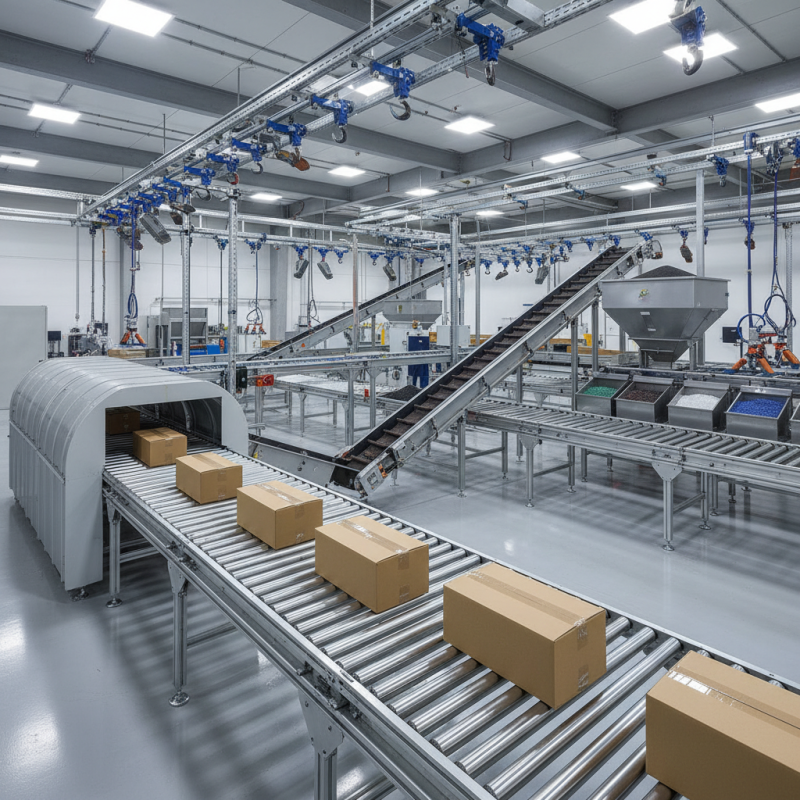
Conveyor systems play a crucial role in material handling across various industries. They enhance efficiency by streamlining the movement of goods. Different types of conveyor systems serve unique functions, catering to specific needs in manufacturing and logistics. For example, belt conveyors are widely used due to their versatility and effectiveness. They can transport a variety of materials, from small parts to heavy packages.
According to a 2022 report by the Material Handling Industry of America, over 80% of warehouses now utilize some form of conveyor system. This statistic underscores the growing reliance on automation for higher productivity. However, not all conveyor systems are suitable for every application. Factors like load capacity, speed, and layout must be considered to achieve optimal performance.
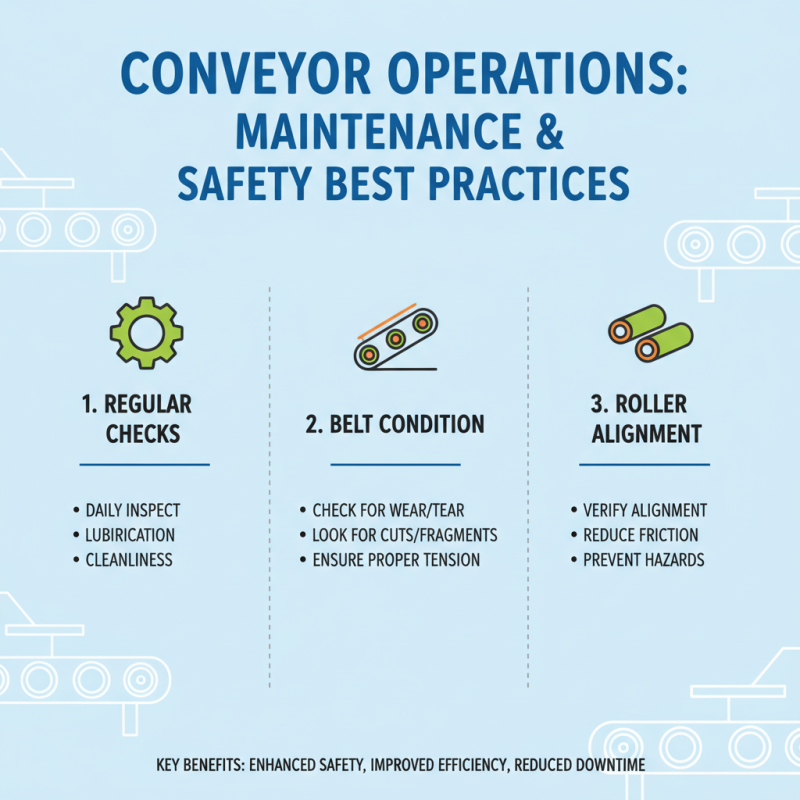
It's also essential to address potential issues. Maintenance can be time-consuming. Conveyor systems can fail if not regularly inspected. The challenge lies in balancing maintenance schedules with operational demands. Although conveyor systems promise efficiency, neglecting these factors can lead to disruptions. Understanding the specific needs of your operation is vital for making informed decisions.
Best Conveyor Systems for Efficient Material Handling Solutions
| Conveyor Type |
Load Capacity (lbs) |
Speed (ft/min) |
Primary Function |
Ideal Applications |
| Belt Conveyor |
1000 |
60 |
Transporting Bulk Materials |
Mining, Agriculture, Recycling |
| Roller Bed Conveyor |
2000 |
75 |
Heavy Item Transport |
Distribution Centers, Warehouses |
| Incline Conveyor |
500 |
30 |
Elevation Changes |
Food Processing, Packaging |
| Chain Conveyor |
3000 |
50 |
Heavy Duty Transport |
Automotive, Manufacturing |
| Magnetic Conveyor |
400 |
25 |
Holding Ferrous Materials |
Metal Fabrication, Recycling |
Key Features to Consider for Efficient Material Handling
When selecting conveyor systems for material handling, key features greatly influence efficiency. According to a survey by MHI, 59% of businesses report that improved material handling increases productivity. Adaptability is crucial in today’s fast-paced environments. Systems that can accommodate a range of materials reduce downtime during transitions.
Another factor to consider is the system's integration capabilities. Data from Supply Chain Quarterly indicates that 73% of companies optimize operations through seamless technology integration. Conveyor systems that connect with existing warehouse management systems provide real-time updates. It enhances decision-making and reduces errors.
Energy efficiency also matters. The global energy consumption for material handling equipment is estimated to reach over 10% of total energy use in warehouses. Choosing systems with energy-saving features can significantly cut costs. However, maintenance is often overlooked. Companies must regularly assess the condition of their conveyor systems to prevent unexpected failures, which can lead to costly delays. Regular maintenance schedules are essential for sustained efficiency.
Best Conveyor Systems for Efficient Material Handling Solutions
Advantages of Automated Conveyor Systems in Industrial Settings
Automated conveyor systems have revolutionized material handling in industrial settings. These systems enhance efficiency by reducing manual labor. They minimize the risk of injury due to repetitive tasks. Employees can focus on more complex activities. This shift allows for better utilization of human resources.
Additionally, automated conveyors improve consistency and speed. Products move quickly through various stages of production. By maintaining a steady flow, downtime is reduced significantly. This continuous operation increases overall productivity. However, the initial investment in such technology can be daunting. Companies must weigh the long-term benefits against upfront costs.
Regular maintenance is essential for these systems. Neglecting this can lead to costly breakdowns. Training staff to operate and troubleshoot the system is crucial. Challenges remain, especially during implementation. Integrating new systems with existing processes can be complex. Each organization must assess its unique needs and capabilities.
Selecting the Right Conveyor System for Your Business Needs
Selecting the right conveyor system for your business requires careful consideration. Think about your specific needs. Are you handling lightweight packages or heavy materials? The type of materials affects your choice. You may need a different conveyor for fragile items than for robust crates.
Look at the layout of your facility. A system that fits your space is essential. Consider the flow of goods. A well-planned system reduces bottlenecks. Evaluate the materials used in the conveyor. Durability is key for long-term performance. Ensure that the materials align with your operational demands.
Cost is an important factor, but don’t compromise on quality. Cheaper systems may fail, leading to higher costs later. Take time to analyze different options. Talk to experts and gather insights. This will help you make an informed decision. You may encounter systems that seem appealing, but they might not be practical. Reflect on your business goals as you decide.