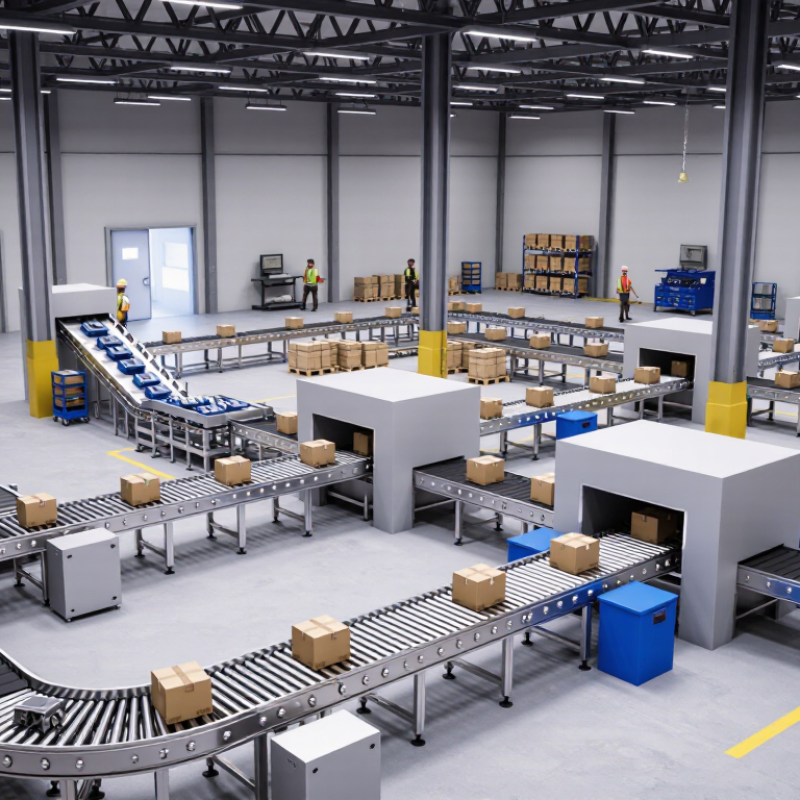
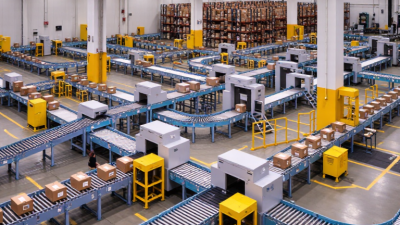
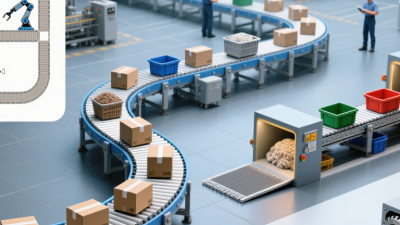
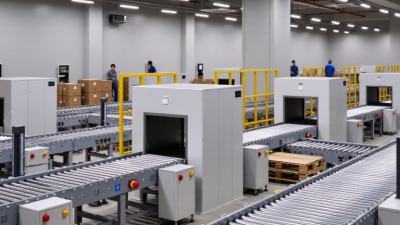
Choosing Industrial Conveyor Systems is not simply a matter of selecting a belt, roller, or motor. It is a process decision. Your products, floor space, production speed, cleaning routine, and maintenance skills must work together. A food-processing line may need stainless-steel frames and frequent washdown access. A warehouse may need quiet rollers, barcode integration, and flexible transfer points. The right system should move materials safely without creating new bottlenecks.
Conveyor specialist and author R. A. “Bob” Thompson once said, “A conveyor must serve the process, not control it.” That principle deserves careful attention. A fast conveyor can still reduce output if workers cannot load it comfortably. A low-cost design can become expensive when belts slip, bearings fail, or spare parts arrive late. Experience from real facilities often exposes problems that supplier brochures do not show.
Begin with the material itself. Record its weight, dimensions, surface, temperature, and travel distance. Then examine throughput, incline angles, transfer points, and emergency access. Ask how operators will clean, inspect, and repair every section. These details reveal whether a modular belt, powered roller, chain conveyor, or screw conveyor fits your operation.
Do not ignore future changes. Products may become heavier. Orders may become smaller. Automation may expand. A thoughtful design leaves room for adjustment, though no system is perfect. Even experienced teams can underestimate noise, dust, or maintenance time. Compare lifecycle cost, not only purchase price. Speak with installers, operators, and maintenance technicians before approving the final layout. Their practical observations may prevent an expensive mistake.
Define material handling before comparing conveyor designs. Record product dimensions, weight, surface, fragility, moisture, and temperature. Note every transfer point, incline, accumulation zone, and operator interaction. A carton may look uniform, yet its packaging can change during seasonal demand.
Throughput must reflect real operating conditions. Measure units per hour, not only daily totals. Include loading delays, changeovers, cleaning, maintenance, and planned downtime. For example, 480 cartons per hour with a 20% peak requires at least 576 cartons per hour. I would not trust one quiet shift’s average. It sounds precise, but it can mislead. A 15% capacity buffer may help, though oversized equipment can waste energy and floor space.
The 2024 MHI Annual Industry Report states that 55% of supply chain leaders expected to increase investment in innovation over the following two years. That investment should begin with reliable data, not fashionable automation. The 2023 MHI Annual Industry Report also reported that 74% of respondents planned greater innovation investment. These figures support careful measurement before equipment selection. Ask for test runs using actual loads, peak rates, and worst-case spacing. Check whether the proposed system can handle damaged cartons, variable weights, and manual exceptions. Real facilities rarely behave neatly. Your throughput model should show assumptions clearly, including what happens when one upstream process stops.
Choosing an industrial conveyor starts with operating principles, not catalogue speed. Belt conveyors move loads through continuous friction between a belt and drive pulley. They suit cartons, bags, and uneven products. A 30-metre belt can create steady flow, but dust, moisture, and belt tracking require regular inspection.
Roller conveyors use gravity, powered rollers, or both. Gravity models need a slight slope and work well for boxed goods. Powered rollers provide controlled spacing and accumulation. Chain conveyors transfer torque through linked chains, giving strong movement for pallets and heavy containers. Screw conveyors rotate a helical flight inside a trough. They handle powders and bulk materials, but can compress or damage fragile products. Pneumatic systems use air pressure to transport powders through enclosed pipes. Their clean layout is useful, although energy demand can be substantial.
The MHI 2023 Annual Industry Report found that 74% of surveyed supply-chain professionals planned to increase technology investment. That figure supports automation, but it does not prove every conveyor upgrade will pay back. Grand View Research projects the global conveyor systems market to grow at about 5.1% annually from 2024 to 2030. Buyers should still test actual loads, transfer points, noise, cleaning time, and emergency access. A practical mistake is selecting maximum speed before measuring product fragility. A fast belt may create jams at a 90-degree transfer. In a dusty plant, exposed rollers may need more maintenance than expected. The best comparison includes throughput, load shape, incline, controls, energy use, and operator safety. Some estimates may change as site conditions change.
| Conveyor System Type | Operating Principle | Typical Load or Material | Typical Speed Range | Incline Capability | Best-Fit Applications | Main Advantages | Key Limitations | Maintenance Considerations |
|---|---|---|---|---|---|---|---|---|
| Belt Conveyor | A continuous belt is driven by a motorized pulley. Idler rollers or a slider bed support the belt and the conveyed material. | Cartons, parcels, bags, packaged goods, bulk solids, and irregularly shaped products. | Approximately 0.1–3.0 m/s, depending on product, belt design, and safety requirements. | Generally up to about 18° for standard belts; cleated belts can handle steeper angles. | General material handling, assembly lines, packaging, warehousing, mining, and bulk-material transport. | Versatile, relatively quiet, suitable for long distances, and capable of handling many product shapes. | Belts can wear, track incorrectly, or slip. Sharp, hot, or abrasive materials may require specialized belts. | Inspect belt tracking, tension, splices, pulleys, idlers, scrapers, and emergency-stop devices. |
| Gravity Roller Conveyor | Products move by gravity or manual pushing over freely rotating rollers. The conveyor is normally installed with a slight decline. | Rigid, flat-bottomed cartons, totes, pallets, and containers with stable bases. | Typically controlled by operator force or gravity; speed varies with slope, load, and roller resistance. | Usually installed at a gentle decline, commonly around 1–5°. | Order picking, packing stations, accumulation lanes, shipping areas, and short-distance transfer. | Low purchase and operating cost, simple construction, no drive motor, and easy to reconfigure. | Not suitable for soft bags, uneven products, very small items, or materials that need controlled speed. | Clean rollers, check bearings and frame alignment, and inspect supports, stops, and side guides. |
| Powered Roller Conveyor | Motor-driven rollers, line shafts, belts, or chains rotate the conveying surface and move products at a controlled speed. | Cartons, totes, pallets, drums, and unit loads with a reasonably stable bottom surface. | Approximately 0.1–1.5 m/s for many unit-load applications; higher speeds are possible in specialized systems. | Often up to about 5–8° for unit loads, subject to product weight, surface condition, and drive capacity. | Distribution centers, sortation, pallet handling, accumulation, packaging, and production transfer. | Positive product control, zone accumulation, precise throughput management, and easy integration with sensors. | Higher cost and energy use than gravity rollers; moving parts create additional guarding requirements. | Inspect drive belts or chains, rollers, motors, sensors, gearboxes, controls, and accumulation zones. |
| Chain Conveyor | One or more endless chains are driven by sprockets. Attachments or flights may push, carry, or position the load. | Heavy pallets, containers, steel parts, automotive components, and loads with uneven or rigid bases. | Approximately 0.05–0.5 m/s in many heavy-duty applications. | Commonly horizontal; inclined versions are possible with suitable flights, guides, and load restraints. | Heavy manufacturing, pallet transfer, assembly operations, stamping, welding, and harsh industrial environments. | High load capacity, durable construction, positive conveying, and good tolerance for rugged products. | Can be noisy and may mark product surfaces. Chains and sprockets require regular lubrication and alignment. | Check chain tension, lubrication, sprocket wear, guide rails, attachments, guarding, and drive components. |
| Slat Conveyor | Linked metal or plastic slats form a continuous moving surface driven by chains and sprockets. | Bottles, cans, containers, cartons, and products requiring a stable, continuous conveying surface. | Approximately 0.1–1.0 m/s, depending on product stability and line configuration. | Typically horizontal or mildly inclined; special flights can support steeper conveying. | Beverage, food, packaging, filling, labeling, and container-processing lines. | Stable product support, durable surface, easy cleaning options, and suitability for transfers and curves. | More expensive and complex than basic belt conveyors; exposed gaps and components require careful design. | Inspect slats, hinges, chains, sprockets, wear strips, lubrication points, and sanitation areas. |
| Screw Conveyor | A rotating helical screw flight moves material through a trough or enclosed tube by pushing it forward. | Powders, granules, grains, pellets, sludge, waste, and other bulk materials. | Often approximately 0.1–1.0 m/s; capacity depends heavily on screw diameter, pitch, fill level, and material properties. | Horizontal conveying is most efficient. Inclines reduce capacity and may require design adjustments. | Food processing, chemical handling, agriculture, wastewater treatment, and controlled feeding or dosing. | Compact, enclosed, suitable for metering, and capable of handling some cohesive or contaminated materials. | Can damage fragile materials, consume significant power at high fill levels, and experience wear with abrasive products. | Inspect flights, trough liners, end bearings, seals, drive components, and material buildup. |
| Pneumatic Conveyor | Airflow transports dry bulk material through a pipeline. Systems may use dilute-phase or dense-phase conveying. | Powders, pellets, flour, cement, plastic resin, and other dry, flowable bulk materials. | Air velocity commonly ranges from about 15–30 m/s in dilute-phase systems; dense-phase systems operate at lower velocities. | Suitable for horizontal, vertical, and complex routes through enclosed piping. | Powder processing, chemical plants, food production, plastics handling, and hygienic or enclosed transfer. | Enclosed transport, flexible routing, reduced floor-space demand, and good containment of dust when properly designed. | High energy consumption, potential particle degradation, noise, and sensitivity to moisture or material flowability. | Check filters, blowers, airlocks, pipelines, bends, pressure levels, seals, and dust-control equipment. |
| Overhead Conveyor | A powered chain, trolley, or cable moves carriers above the production floor while products hang below or rest on fixtures. | Hanging parts, garments, tools, painted components, automotive parts, and products requiring floor clearance. | Approximately 0.05–1.0 m/s, depending on carrier spacing, process time, and load requirements. | Can travel horizontally and vertically through designed curves and elevation changes. | Painting, coating, garment handling, assembly, storage, and processes requiring multiple workstations. | Saves floor space, supports continuous routing, and allows floor-level access beneath the conveyor. | Higher installation complexity, difficult access for maintenance, and strict requirements for load security. | Inspect chain or cable, trolleys, carriers, switches, lubrication points, safety devices, and structural supports. |
| Vibratory Conveyor | A trough or pan oscillates at a controlled frequency, causing material to advance through small repeated movements. | Bulk solids, food products, aggregates, hot parts, castings, and materials requiring gentle or controlled handling. | Commonly about 0.05–0.5 m/s, depending on amplitude, frequency, material, and trough angle. | Usually horizontal or slightly inclined; some designs can convey upward with suitable settings. | Screening, feeding, cooling, drying, weighing, recycling, and handling hot or abrasive materials. | Can handle hot materials, offers controlled feeding, and may combine conveying with screening or separation. | Noise and vibration may affect nearby equipment; foundations and isolation systems must be engineered correctly. | Inspect springs, drives, bearings, trough liners, mounting bolts, isolation elements, and vibration levels. |

Note: Performance ranges are typical planning values rather than guaranteed ratings. Final selection should be based on material characteristics, load dimensions, throughput, route length, elevation changes, operating environment, sanitation requirements, safety standards, and the manufacturer’s engineering calculations.
Choosing an industrial conveyor system starts with the floor, not the catalog. During site assessments, I measure aisle width, column spacing, door clearances, and operator paths. A neat drawing can still mislead. Mark the proposed route with tape, then walk it during a normal shift. This reveals blocked access, awkward crossings, and maintenance zones that plans often miss. Leave room for guarding, cleaning, and safe inspection.
Space affects conveyor type and movement direction. Inclines may save floor area, but they can change product stability and loading height. Transfers need enough clearance for hands, tools, and sensors. Record the smallest available gap, not the average one.
Load data must include weight, dimensions, surface, and center of gravity. A box that slides well when empty may twist when full. I once underestimated seasonal loads; the system ran, but staff had to slow it manually. That was a design warning.
Environmental conditions deserve equal attention. Dust, moisture, heat, cold, washdown chemicals, and static electricity can affect materials and controls. Specify exposure levels and cleaning routines before selecting components. Check whether belts, bearings, frames, and electrical enclosures suit the area. Ask how often parts need adjustment. Reliable planning uses measured loads, temperature records, and trial runs with real products. Recheck these assumptions after installation. Conditions change.
Choosing an industrial conveyor system starts with the hazards around your product, people, and process. Walk the proposed route before approving equipment. Watch for pinch points, falling materials, sharp edges, and blocked walkways. Guarding should cover moving parts without preventing necessary cleaning or inspection. Emergency stops must remain visible and reachable from working positions. A safer design often reduces production delays.
Controls should match the team’s actual skills. Use clear labels, simple operating modes, and visible status indicators. Interlocks can prevent unsafe sequences, such as starting a feeder before the receiving conveyor runs. Access levels should limit unnecessary changes to speed or timing. Test alarms under realistic conditions, not only during installation. The first control layout is rarely perfect. Operators may reveal problems engineers missed.
Maintenance access strongly affects long-term reliability. Leave enough space around motors, rollers, sensors, and inspection points. Select components with documented service intervals and readily available replacements. Record recurring faults instead of treating every stoppage as a separate event. For scalability, reserve floor space, electrical capacity, and control-system inputs for future sections. Modular expansion can reduce disruption, but it still requires careful load calculations. A small overlooked detail can become an expensive bottleneck. Review the design with maintenance staff before commissioning. Their practical objections may change the final system for the better.
Choosing an industrial conveyor system starts with the material, not the catalog. Measure product weight, dimensions, surface, temperature, and daily volume. Note whether loads arrive continuously or in uneven batches. A conveyor that handles cartons may struggle with abrasive parts or unstable containers. In plant assessments, I have seen small transfer gaps create more downtime than major equipment faults. Measure those details before requesting quotations.
Calculate total cost over the expected service life. Include the conveyor price, controls, delivery, installation, floor changes, training, energy use, inspections, spare parts, and downtime. For example, a lower-priced unit may require frequent belt replacement or manual product alignment.
A simple spreadsheet can compare five-year costs, but it can still miss production delays. Add a realistic contingency for maintenance and future capacity. Then compare payback time, not only purchase price. Select the system that fits your actual workflow, available space, and required speed.
Tips: Record peak loads, not average loads. Ask for maintenance access drawings. Check emergency stops and guarding. Leave room for cleaning. Test a sample product if possible. If the calculation depends on perfect operating conditions, question it. The cheapest option is rarely the safest long-term choice.