China Best Automation Conveyor Systems Suppliers
China has become a major sourcing hub for Automation Conveyor Systems, serving warehouses, factories, and distribution centers worldwide. Its suppliers offer modular belt conveyors, roller lines, pallet systems, and integrated controls. Yet, “best” depends on application, not catalog size.
Bill Gates, a widely recognized technology leader, once stated, “The first rule of any technology used in a business is that automation applied to an efficient operation will magnify the efficiency.” This principle fits conveyor projects closely. A poorly planned line can move problems faster. Experienced suppliers therefore study product weight, carton dimensions, speed, layout, and operator access before proposing equipment.
Reliable Chinese manufacturers should provide clear drawings, load calculations, component lists, and factory testing records. Look for practical details. Can the conveyor handle dusty cartons? Are emergency stops easy to reach? Can sensors be replaced without stopping the entire line? These questions reveal engineering maturity.
Certifications matter, but paperwork alone is not enough. Ask for installation references, maintenance guidance, spare-parts availability, and realistic delivery terms. A supplier may offer an attractive price, yet weak after-sales support can create expensive downtime. This is where evaluation becomes less comfortable. No supplier is perfect, and even a strong system may need redesign after real production begins.
This guide examines China’s leading Automation Conveyor Systems suppliers through engineering capability, customization, quality control, communication, and lifecycle value. The goal is not to promote the cheapest option. It is to identify partners that can keep cartons moving, safely and consistently, when the factory is busy.
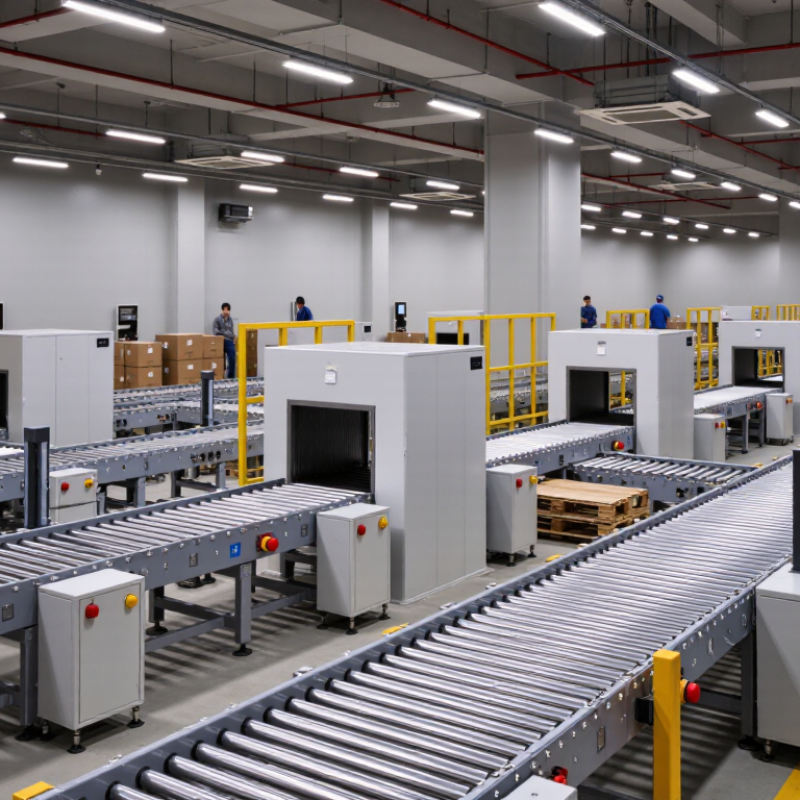
China’s Automation Conveyor Systems Supplier Landscape
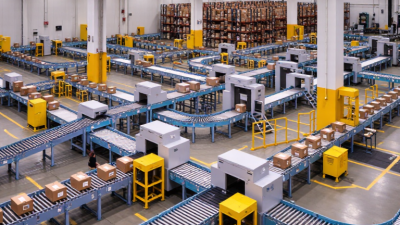
China’s automation conveyor systems supplier landscape is broad, competitive, and increasingly specialized. Suppliers serve warehouses, food plants, electronics factories, and parcel hubs. Their capabilities range from standard belt conveyors to integrated sorting and pallet transfer lines.
Experienced buyers often compare more than price. They review motor efficiency, frame materials, control architecture, noise levels, and maintenance access. A reliable supplier should provide layout drawings, load calculations, testing records, and clear installation guidance. Factory audits can reveal welding quality, component storage, and production discipline. Small details matter.
The market is not perfectly transparent. Some published capacities require verification through sample testing and reference checks. Buyers should confirm safety compliance for the target country, including guarding, emergency stops, and electrical documentation. Remote commissioning is possible, but complex lines still benefit from trained technicians on site. Spare-part availability also deserves attention. A low purchase price may become expensive when one sensor stops production. Suppliers with engineering teams can adapt conveyor speed, incline, controls, and workstations to real operating conditions. Yet customization can introduce delays and compatibility risks. Careful interface reviews are essential before manufacturing begins. Retrofits are often harder than expected. Clear acceptance criteria, staged inspections, and documented change control help reduce disputes between overseas buyers and Chinese manufacturers.
Key Types of Automation Conveyor Systems Made in China
Key Types of Automation Conveyor Systems Made in China
China’s automation conveyor suppliers produce several systems for factories, warehouses, and distribution centers. Belt conveyors remain common for cartons, bags, and uneven products. Their rubber or PVC belts can move goods quietly across long, straight sections. Roller conveyors suit boxes with firm, flat bottoms. Powered rollers also support accumulation, scanning, and packing stations.
Modular plastic belt conveyors handle wet areas and frequent cleaning. They are useful in food processing and light manufacturing. Chain conveyors move pallets, metal bins, and heavy containers with steady traction. Flexible chain layouts can include curves, lifts, and transfers. Screw conveyors are selected for powders and small bulk materials, although their maintenance needs are often underestimated.
Reliable Chinese suppliers usually confirm load weight, belt speed, product dimensions, and operating temperature before designing equipment. They may integrate photoelectric sensors, variable-speed drives, guards, and emergency stops. Ask for load tests, wiring diagrams, material certificates, and factory acceptance records. These details reveal more than a polished product photograph. A perfect universal conveyor does not exist. I have seen projects fail because engineers measured the product, but not the available floor space. Small gaps, poor drainage, or weak mounting points can create costly delays. Better suppliers discuss those practical weaknesses early, then adjust the conveyor structure, controls, and inspection plan.
Core Technologies and Features of Chinese Conveyor Systems
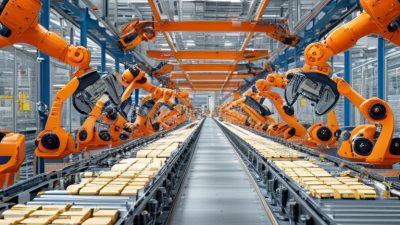
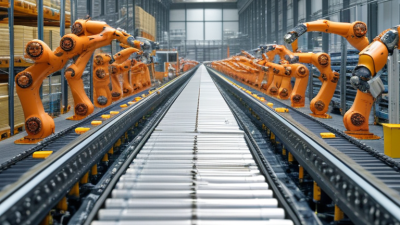
Chinese conveyor system suppliers increasingly combine mechanical engineering with industrial automation. Their core designs often use PLC control, variable-frequency drives, servo motors, and photoelectric sensors. These components regulate speed, positioning, buffering, and product spacing across production lines. Modular belts and stainless-steel frames support demanding environments, including food processing, warehousing, and assembly facilities.
Data connectivity is another important feature. Ethernet-based controls can link conveyors with scanners, weighing systems, robotic stations, and warehouse software. Operators may monitor motor load, belt speed, alarms, and maintenance intervals from a central interface. Some systems also provide traceability through barcode or RFID integration. Practical experience shows that clear sensor placement matters as much as advanced software. Poor alignment can create repeated stoppages.
Safety remains a technical priority. Emergency stops, guarded drive sections, overload protection, and controlled restart functions help reduce operational risks. Reliable suppliers usually provide layout drawings, load calculations, installation guidance, and testing records. Customization is common, but it should follow measured requirements rather than attractive specifications. A conveyor can look efficient on paper and still perform poorly under uneven loading. This is worth questioning.
Energy efficiency also influences current designs. Variable-speed control can reduce unnecessary motor consumption during light production periods. However, savings depend on correct sizing, maintenance, and operating habits. No system is flawless. Regular inspection of rollers, bearings, belts, and sensors remains essential for stable performance.
How to Evaluate China-Based Conveyor System Suppliers
Selecting a China-based conveyor supplier requires more than comparing quoted prices. Grand View Research estimated the global conveyor systems market at USD 10.85 billion in 2022, with continued growth projected through 2030. That expansion attracts capable manufacturers, but engineering practices can vary. Ask for signed drawings, motor calculations, belt-load assumptions, and a traceable bill of materials. Request operating references with similar loads and working conditions. Field experience matters here.
During a factory audit, inspect weld quality, guarding, cable routing, and spare-parts labeling. Require a documented factory acceptance test covering throughput, noise, emergency stops, and sensor accuracy. Verify quality controls against ISO 9001. Also confirm electrical and machinery requirements for the destination market. A certificate alone proves little. Review calibration records and corrective-action logs.
The 2024 Annual Industry Report by the Material Handling Industry association reported that 67% of surveyed professionals planned to increase technology investment. This makes controls integration, data ownership, cybersecurity, and remote-service limits important evaluation points. Compare five-year costs, including commissioning, training, energy, wear parts, and response time. I would test one sample conveyor under realistic product conditions. Laboratory results can flatter performance. My evaluation would remain cautious when a supplier refuses a witnessed test or provides only perfect references. That hesitation may cost time, yet it can expose weak after-sales support.
Applications and Selection Criteria for Conveyor Solutions
China Best Automation Conveyor Systems Suppliers
Applications and Selection Criteria for Conveyor Solutions
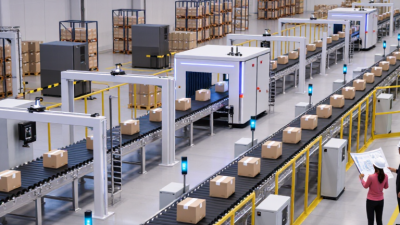
Automated conveyor systems support material movement in warehouses, factories, distribution centers, and clean production areas. They transport cartons, trays, pallets, and small components with less manual handling. In a warehouse, roller conveyors can connect picking stations to packing tables. Belt conveyors often suit irregular products, while chain conveyors handle heavier loads. Inclined sections save floor space, but they require careful speed and traction control.
Selection should begin with the product, not the conveyor catalog. Measure weight, dimensions, surface condition, and required throughput. Check whether products arrive continuously or in batches. A fragile package may need a soft-start drive and controlled spacing. A dusty workshop may require sealed bearings and accessible cleaning points. Moisture, temperature, noise, and available floor space also affect the design.
Controls deserve equal attention. Sensors should detect gaps, jams, and misplaced items. Variable-speed drives can reduce energy use during low-demand periods. Guarding, emergency stops, and maintenance access must be included from the layout stage. A common mistake is choosing maximum capacity without testing real products. Oversized equipment can increase cost and consume unnecessary power. The first layout is rarely perfect. Trial runs with actual loads often reveal transfer gaps, unstable cartons, or awkward service access. Reliable suppliers should provide load calculations, drawings, testing records, spare-parts guidance, and clear safety documentation.
China Best Automation Conveyor Systems Suppliers: Applications and Selection Criteria
Typical conveyor belt speed ranges by application. Actual selection should also consider load weight, product dimensions, incline angle, accumulation requirements, sanitary standards, and control-system integration.
The ranges shown are indicative engineering values commonly used for preliminary conveyor sizing: slower speeds improve product control and safety, while higher speeds support bulk conveying and high-throughput parcel handling.