How to Choose the Right Conveyor Machine for Your Business?
Choosing the right conveyor machine is essential for optimizing your business operations. According to a recent report by the Material Handling Industry of America, the conveyor systems market is projected to reach $4 billion by 2025. This growth highlights the increasing reliance on efficient material handling solutions. A conveyor machine can significantly reduce manual labor costs and improve operational efficiency, but selecting the best one requires careful consideration.
In an age where efficiency dictates success, businesses must weigh several factors. Conveyor machines come in various designs, each suited for specific tasks. For example, a belt conveyor works well for transporting bulk materials, while roller conveyors excel in moving items with a standardized shape. Choosing the wrong type could lead to operational inefficiencies. Moreover, according to industry experts, improper selection often results in increased maintenance costs, downtime, and safety hazards.
Every business has unique needs. Understanding these needs can prevent costly mistakes. Reflect on the volume of materials you handle and the space available. Also, consider the machine's durability and maintenance requirements. Making an informed decision about your conveyor machine can lead to long-term benefits and a smoother workflow.
Understanding Different Types of Conveyor Machines Available
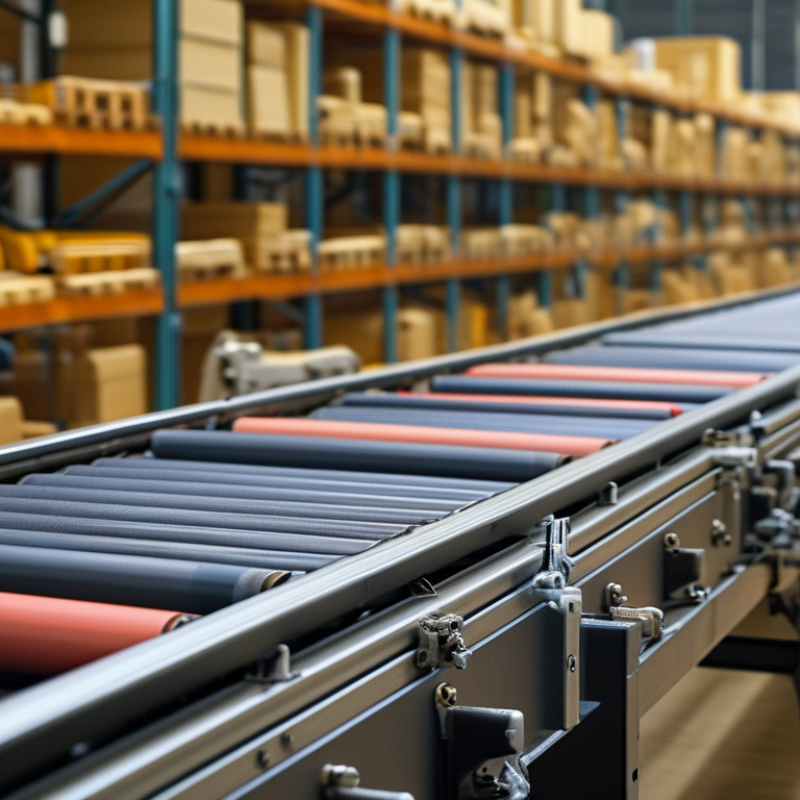
When selecting the right conveyor machine, it's essential to understand the various types available. There are belt conveyors, roller conveyors, and chain conveyors. Each type serves a different purpose and is tailored to specific industries. Belt conveyors are widely used for their versatility. They excel at moving bulk materials and can easily adapt to different paths. Roller conveyors are ideal for transporting products in a warehouse or manufacturing setting. They allow for smooth movement and are often used for heavy loads. Chain conveyors, on the other hand, are perfect for heavy-duty tasks, such as moving pallets.
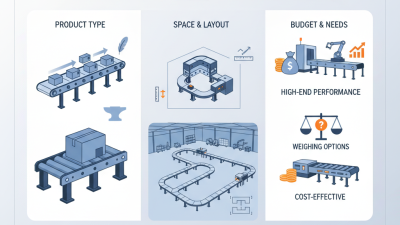
Choosing the right type requires analyzing your operational needs. Not every business will benefit from a heavy-duty chain conveyor. Sometimes, a simpler solution provides better efficiency. One must consider the material being transported, the distance it needs to cover, and the layout of your workspace. Not every conveyor is suitable for all types of goods. Understanding your product's requirements can save time and resources in the long run.
Incorporating these details will help refine your decision-making process. However, many businesses might overlook these aspects. This could lead to costly mistakes. Taking the time to evaluate your options thoroughly can prevent such errors. The right machine can significantly enhance efficiency. Understanding the distinct advantages and limitations of each conveyor type is critical for success.
Assessing Your Business Needs and Conveyor Functionality Requirements
When selecting a conveyor machine, assessing your business needs is crucial. The right conveyor should align with the products you handle. For instance, businesses handling bulk materials often opt for belt or roller conveyors, while those dealing with packaged goods may benefit from modular conveyor systems. According to a report by the Material Handling Industry (MHI), 72% of companies noted increased efficiency after upgrading their conveyor systems. This underlines the importance of selecting the right technology based on specific application needs.
Evaluate the weight, size, and flow rate of materials. Conveyor systems must accommodate the varying dimensions and capacities of products. An efficient flow rate can significantly impact productivity. An industry statistic suggests that manufacturers can boost operational efficiency by 30% with tailored conveyor solutions. Ensure the equipment can support the weight without risking damage or downtime.
Consider maintenance requirements and adaptability. Some systems may require frequent servicing, while others are designed for minimal upkeep. Prioritize options that can be easily adjusted or reconfigured. Reflect on past maintenance issues and aim for solutions that promise reliability. Investing in a conveyor that meets these needs can yield long-term benefits.
Evaluating Conveyor Capacity and Speed Specifications
Conveyor capacity and speed are critical factors in selecting the right conveyor machine for your business. First, assess the material you are handling. This includes weight, size, and type. For instance, heavier materials may require stronger belts and slower speeds to prevent breakdowns. Conversely, lightweight materials can often be moved swiftly.
Consider the required throughput. Calculate how much material must be moved within a specific time frame. Do you need to move 100 tons per hour? Or is the need less intense? These metrics will inform the conveyor's capacity. Make sure to evaluate the speed specifications as well. Faster does not always mean better. Too high speeds may result in jams or excess wear. Reflect on how these speeds align with your production goals.
Don’t overlook the integration of the conveyor system within your existing workflow. Each component affects overall performance. For example, adding a conveyor that is too fast can disrupt downstream processes. Seek guidance from industry experts if you have doubts. Investing time in your decision will pay off. Errors in selection can lead to costly downtime and inefficiencies.
Considering Space Constraints and Installation Options
Choosing the right conveyor machine for your business involves careful consideration of space constraints. Every facility has unique dimensions, affecting how machinery can be integrated. Measure your available space accurately. Understand the layout of your operations. Will your conveyor system fit comfortably? Remember, cramped spaces can restrict efficiency.
Installation options significantly affect your choice as well. Some systems require extensive setup, while others are more straightforward. Evaluate the complexity of the installation. Can your team handle it, or will you need external help? This decision impacts cost and time. Factors such as ceiling height and proximity to other equipment also play a role. Avoid overlooking these details; mistakes in planning can lead to costly adjustments later.
You might find that flexibility in design helps. Modular conveyor systems can adapt to changing needs. They often fit better in tight spaces. On the other hand, custom solutions might seem appealing but require more investment. Reflect on your long-term goals. Are you prepared for future changes? Keep these aspects in mind to make a more informed choice.
How to Choose the Right Conveyor Machine for Your Business? - Considering Space Constraints and Installation Options
| Conveyor Type |
Space Requirement (Length x Width) |
Weight Capacity |
Installation Complexity |
Ideal Industries |
| Belt Conveyor |
20ft x 3ft |
1000 lbs |
Moderate |
Manufacturing, Warehousing |
| Roller Conveyor |
15ft x 2ft |
500 lbs |
Simple |
Shipping, Packaging |
| Chain Conveyor |
25ft x 4ft |
2000 lbs |
High |
Automotive, Heavy Industries |
| Overhead Conveyor |
Varies |
300 lbs |
Complex |
Food Processing, Textile |
| Magnetic Conveyor |
12ft x 2ft |
1500 lbs |
Moderate |
Manufacturing, Scrap Handling |
Analyzing Costs and Maintenance for Effective Budgeting
When choosing the right conveyor machine for your business, understanding costs and maintenance is crucial. Conveyor systems come with varying price tags, and knowing what impacts these costs can help you make informed decisions. For example, consider the type of materials being moved. Heavier materials often require more robust machinery, which can be more expensive. Moreover, the complexity of the system can drive up initial costs as well.
Maintenance is another important factor that can affect your budget. Regular upkeep is essential for minimizing downtime. A neglected conveyor can result in costly repairs. Routine inspections are vital. Keep replacement parts on hand to avoid long wait times during failures. Choose equipment with reliable customer support. Machines with warranties can save money long-term but do require careful evaluation.
Consider automation features. They may increase upfront costs but can improve efficiency and reduce labor costs over time. Evaluate your production needs closely. Sometimes, a simpler system may meet your needs while saving money. Investing time in analyzing these factors will pay off in the long run. Make informed choices.
Cost Analysis of Different Conveyor Machines