Leave Your Message

Choosing the Right Industrial Conveyors for Your Business Needs?

Choosing the right industrial conveyors can significantly impact your business operations. Doug Anderson, a leading expert in the Industrial Conveyors industry, once said, "The right conveyor system can streamline production and reduce costs." This highlights the importance of selecting an appropriate conveyor system for specific needs.

Understanding the various types of industrial conveyors is crucial. Different materials and dimensions require tailored conveyor solutions. For example, some conveyors excel in handling bulk materials, while others are best for packaged goods. Make sure to analyze your product types before making a decision.

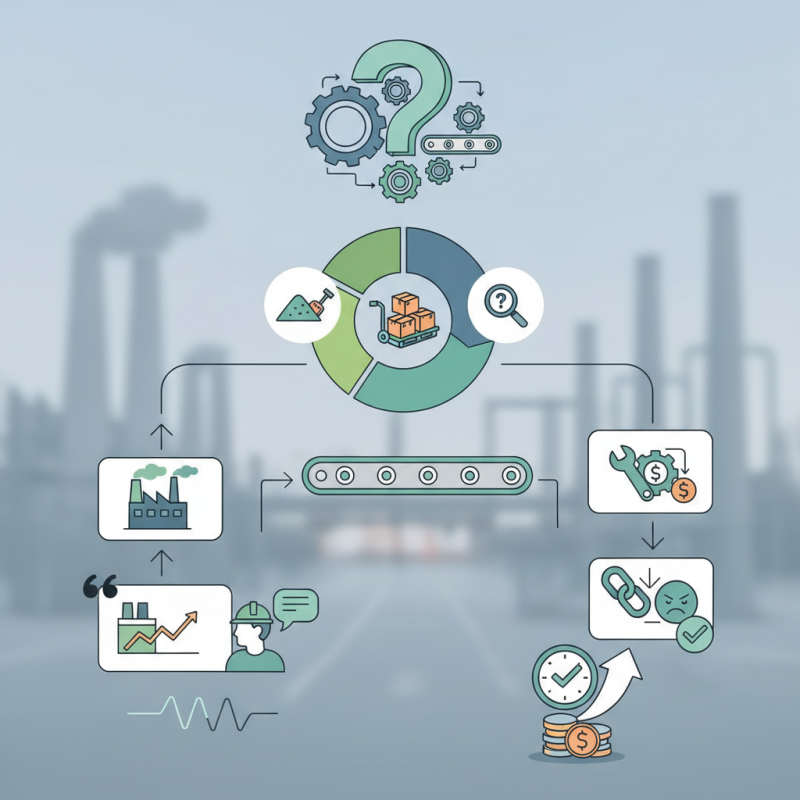
Many businesses underestimate the importance of conveyor selection. A mismatch can lead to inefficiencies and increased operational costs. Reflect on your current systems and assess if they truly meet your needs. Industrial conveyors should enhance productivity, not hinder it. Investing time in choosing the right conveyor system can yield long-term benefits for your business.
Choosing the Right Industrial Conveyors for Your Business Needs?

Understanding Different Types of Industrial Conveyors and Their Applications

Understanding the different types of industrial conveyors is crucial for optimizing operations. Each conveyor type serves specific purposes across various industries. For instance, belt conveyors are widely used in manufacturing and warehousing. They transport bulk materials efficiently and can handle heavy loads. According to a report by Infinite Market Insights, belt conveyors dominate the market, accounting for over 35% of the global conveyor systems market share.

Roller conveyors, on the other hand, are ideal for transporting boxes and pallets. They enable easy handling and smooth movement. This type is popular in distribution centers. A study from ResearchAndMarkets reveals that roller conveyors are experiencing a steady demand, particularly in e-commerce logistics.

Tips: When choosing a conveyor system, consider the weight and size of your materials. Assess the layout of your facility, too. Factors such as throughput and product characteristics are essential for a well-functioning system. Not all conveyors are created equal; evaluate their durability and maintenance needs. Selecting the wrong type can lead to inefficiencies and higher operational costs.
Comparison of Different Types of Industrial Conveyors

Evaluating Key Factors for Selecting the Best Conveyor System

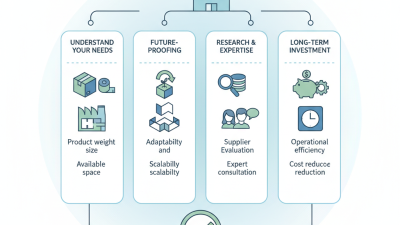
When selecting an industrial conveyor system, several key factors must be evaluated. Understanding your specific needs is crucial. Consider the type of materials you will be transporting. Always analyze the weight, size, and movement characteristics of these materials. A conveyor must be able to handle them efficiently.

Another vital aspect is the layout of your facility. The conveyor system needs to fit within existing space constraints. This consideration can affect not just efficiency but safety as well. Moreover, think about the speed requirements of your operations. Fast-moving conveyors can enhance productivity but may increase maintenance issues.

Don’t overlook the importance of ease of maintenance. A reliable system requires scheduled upkeep to avoid unexpected downtimes. Sometimes, simpler systems are more effective. Weigh the initial costs against long-term reliability. Each choice carries potential trade-offs that warrant careful reflection.

Analyzing Industry-Specific Requirements for Conveyor Capacities and Speeds

When selecting industrial conveyors, it's crucial to understand the specific requirements of your industry. Different sectors require varying conveyor capacities and speeds to optimize operations. For instance, food processing typically needs conveyors that can handle weights of up to 2,000 pounds per hour. However, in pharmaceuticals, precision and cleanliness are paramount, often necessitating lighter materials and slower speeds to maintain product integrity.

Moreover, a report by the Material Handling Industry of America (MHIA) highlights that conveyor system efficiency can boost productivity by 20-25%. This efficiency varies based on industry needs. A textile manufacturer may favor high-speed conveyors that can transport materials swiftly across production stages. In contrast, a packaging company might prioritize flexibility in speeds to accommodate diverse product types and sizes.

Every business has unique challenges. Evaluating specific requirements can be overwhelming. Companies should conduct thorough assessments, focusing on load types, frequency of use, and integration with existing systems. This reflective process can prevent costly mistakes. In the end, a tailored approach to selecting conveyor systems will lead to significant long-term benefits.

Comparing Cost-Effectiveness of Various Conveyor Solutions for Your Business

When selecting the right industrial conveyor for your business needs, cost-effectiveness is crucial. Various conveyor solutions are available, including belt, roller, and chain conveyors. Each type has different upfront costs, maintenance needs, and operational efficiencies. Evaluating these factors can help ensure you make the best choice for your operations.

Belt conveyors often have lower initial costs, but they may require more frequent repairs. Consider the materials you will transport. Heavy items may lead to quicker wear and tear. Roller conveyors, on the other hand, can handle heavier loads more effectively, possibly saving you money over time. However, they usually come with higher upfront costs, complicating immediate budget considerations.

It's vital to assess your specific use case. For example, if your business has seasonal peaks, investing in flexible conveyor solutions may save more in labor costs. Always analyze your projected return on investment, focusing on both short-term and long-term needs. Don't overlook the importance of maintenance costs; these can add up quickly. Make informed choices by consulting with industry experts and learning from their experiences.

Choosing the Right Industrial Conveyors for Your Business Needs

Conveyor Type Initial Cost (USD) Maintenance Cost (Annual) Lifespan (Years) Energy Efficiency (%) Load Capacity (lbs)
Belt Conveyor $5,000 $600 10 80 1,000
Roller Conveyor $7,000 $500 12 75 1,500
Chain Conveyor $8,500 $800 15 70 2,000
Pneumatic Conveyor $9,000 $700 8 85 500
Bucket Elevator $10,000 $900 20 78 2,500

Exploring Technological Innovations in Conveyor Systems for Enhanced Efficiency

Choosing the Right Industrial Conveyors for Your Business Needs?

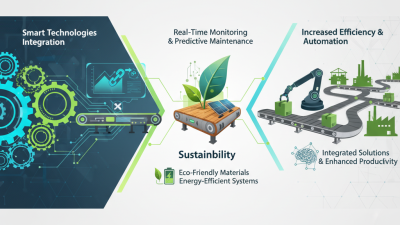
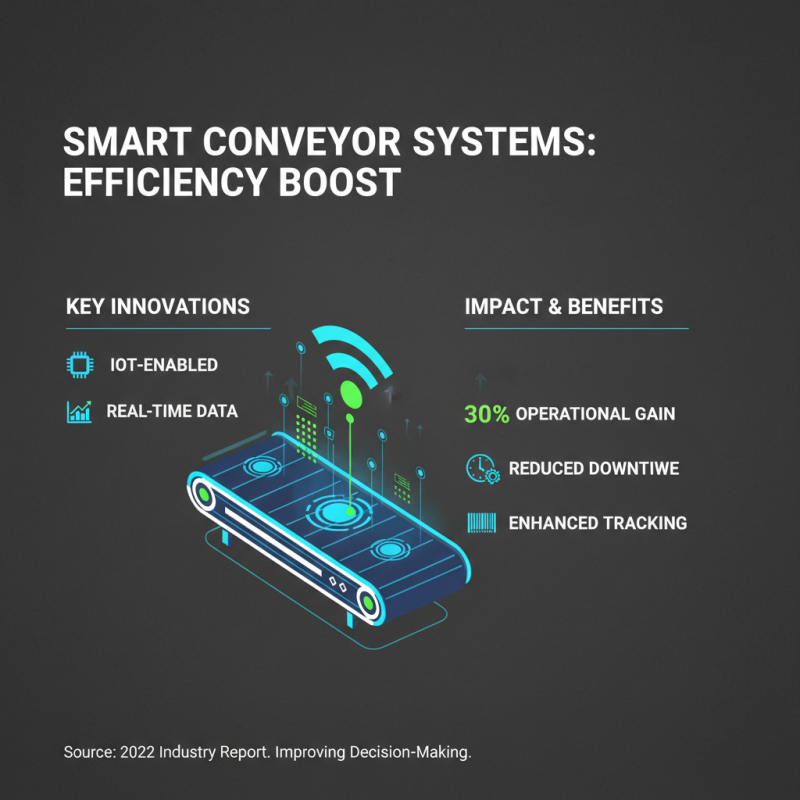
Recent advancements in conveyor system technology are reshaping the industrial landscape. For instance, the implementation of IoT-enabled conveyors has increased operational efficiency by up to 30%. According to a 2022 industry report, smart conveyor systems reduce downtime and enhance product tracking capabilities. These systems provide real-time data analytics, improving decision-making for managers.

Automation is another game-changer. Conveyor systems now incorporate AI algorithms to optimize flow patterns and reduce bottlenecks. A study found that businesses adopting automated conveyors experienced a 25% increase in throughput. However, many companies still rely on outdated systems. Transitioning to modern solutions requires investment and employee training, which can pose challenges.

Energy-efficient conveyors represent a significant opportunity for cost savings. Approximately 15% of an industrial facility's energy consumption comes from conveyors. Companies switching to energy-efficient models report reduced operational costs by 20%. Yet, not every upgrade leads to immediate benefits. It's crucial to assess your specific needs and operational environment before making changes.