How to Choose the Right Designed Conveyor for Your Needs?
Choosing the right designed conveyor can significantly impact your operations. With various types available, understanding your needs is crucial. A well-selected designed conveyor improves efficiency and reduces downtime.
It’s essential to evaluate your specific requirements. Consider factors like material type, load capacity, and installation space. Customization options often exist, which can enhance conveyor performance. However, many overlook the importance of future needs, which can lead to costly adjustments later.
Additionally, assessing manufacturer expertise can be beneficial. Some companies claim they offer the best solutions, but not all have proven track records. Researching their experience can save you time and resources. A reliable partner in this decision-making process often leads to a more effective conveyor system tailored to your operation.
Understanding Your Material Handling Requirements
When choosing a conveyor system, it is vital to understand your material handling requirements. The first step is to assess the type of materials you’re moving. Consider weight, shape, and size. Bulk materials require different handling than packaged goods. For instance, loose materials might need a different belt type compared to heavy boxes.
You should also think about the environment. Will the conveyor be exposed to dust, moisture, or extreme temperatures? These factors can influence your choice of materials and designs. For instance, a humid environment might necessitate a corrosion-resistant conveyor. Moreover, think about the speed of operations. Faster conveyors can enhance productivity but may require more precision in handling.
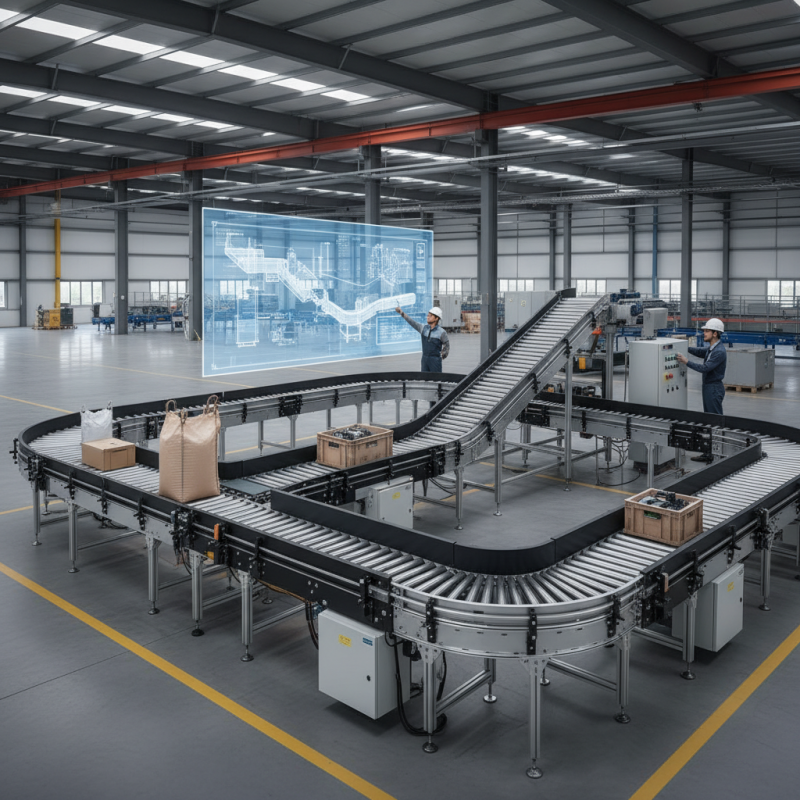
Additionally, evaluate the layout of your workspace. Do you have enough space for a straight run, or do you need curves? Space constraints can limit options. Operators might find a compact design appealing. However, it’s essential to ensure that the system can handle your materials effectively. Reflection on these points can streamline your selection process.
Types of Conveyors and Their Applications
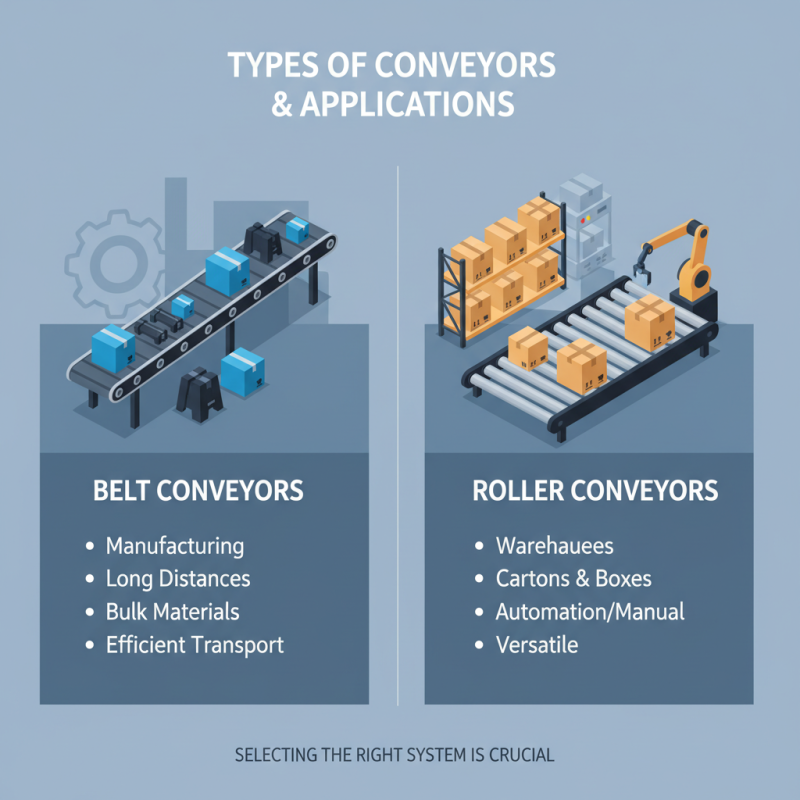
When selecting a conveyor system, understanding the types available is crucial. Each conveyor type has distinct applications and design features. For instance, belt conveyors are widely used in manufacturing. They can transport various materials efficiently over long distances. On the other hand, roller conveyors are ideal for moving cartons or boxes in warehouses. Their versatility supports both automation and manual operations.
Another common type is the screw conveyor, primarily used for bulk materials. It’s essential in food processing or agriculture. However, it requires careful maintenance to avoid material buildup. Further, pneumatic conveyors can move powders and granules through air pressure. These systems are beneficial when dealing with delicate materials that require minimal handling.
Choosing the right conveyor involves evaluating specific needs. Factors include load type, speed, and distance. Businesses often overlook the importance of these criteria. A misstep can lead to inefficiencies or increased costs. Consult with experts to avoid common pitfalls. Their insights can save time and resources.
Key Factors to Consider in Conveyor Design
Choosing the right conveyor system can significantly impact your operations. The design of the conveyor plays a critical role in efficiency and productivity. One key factor is the type of material being transported. Different materials require different handling systems. For instance, fragile items need gentle handling.
Another important aspect is the conveyor layout. A well-planned layout can optimize space and reduce bottlenecks. Consider the flow of materials and how they interact with other processes. Perhaps, you might find your existing setup isn't efficient. It's essential to reflect on your current situation and make necessary adjustments.
Speed and capacity are also vital considerations. Determine the required throughput for your operations. Your conveyor design must match these specifications. However, over-engineering can lead to wasted resources. Balance is crucial; ensure the design meets your operational needs while remaining cost-effective.
Evaluating Conveyor Performance and Efficiency
Selecting the right conveyor for your needs requires a deep evaluation of its performance and efficiency. Start by assessing the throughput of each conveyor type. A properly designed conveyor should handle your material volume while maintaining speed. If the conveyor is too slow, it may slow down your entire operation.
Consider the layout of your facility. The conveyor must fit within its designated space. Sometimes, a customized design is necessary. This can lead to higher efficiency. However, customization can also introduce complexity. Make sure to balance need and practicality when designing your system.
Efficiency also depends on maintenance and durability. Regular checks are vital for ensuring performance. A neglected conveyor can lead to downtime, increasing operational costs. Reflect on the materials you transport. Some require gentle handling to avoid damage. Choose a conveyor that caters to these specific needs. Efficiency isn’t just about speed; it’s about reliability and suitability.
How to Choose the Right Designed Conveyor for Your Needs? - Evaluating Conveyor Performance and Efficiency
| Conveyor Type |
Load Capacity (kg) |
Speed (m/s) |
Efficiency (%) |
Application |
| Roller Bed Conveyor |
1000 |
1.5 |
90 |
Heavy Packages |
| Belt Conveyor |
800 |
2.0 |
85 |
Loose Materials |
| Chain Conveyor |
1500 |
1.0 |
92 |
Unit Loads |
| Screw Conveyor |
600 |
1.2 |
80 |
Granular Materials |
| Overhead Conveyor |
500 |
0.8 |
75 |
Lightweight Items |
Budgeting for Conveyor Purchase and Maintenance Costs
When budgeting for a conveyor purchase, consider both initial costs and long-term maintenance. Industry reports suggest that maintenance can account for 20-30% of total ownership costs. Regular upkeep is essential for optimizing efficiency and preventing breakdowns. Skimping on maintenance can lead to expensive repairs that exceed initial savings.
The average lifespan of a conveyor system is around 10 to 15 years, depending on usage and care. This longevity is contingent on regular inspections and timely part replacements. A study by the Conveyor Equipment Manufacturers Association indicates that companies with a proactive maintenance strategy reduce downtime by up to 50%. Ignoring this aspect can result in hidden costs and disruption in operations.
Investing in quality components can also impact your financial plan. A report from the Material Handling Institute reveals that lower-quality systems often lead to higher operational costs over time. Yet, determining the right balance between upfront costs and potential savings can be tricky. Aim to assess lifecycle costs, and ensure your investment aligns with your operational needs and budget constraints.