How to Choose the Right Conveyor Machine for Your Business?
Choosing the right conveyor machine is essential for any business. The right choice can significantly enhance efficiency. However, making this decision may not be straightforward.
Many factors come into play. First, consider your product type. Different conveyor machines handle various weights and sizes. A lightweight product can easily travel on a simple belt system. Conversely, heavy items may need a sturdier design with advanced features. Then, think about your space. Some conveyors are compact, while others require more room for movement.
Budget is another crucial element. High-end conveyor machines offer exceptional performance but may strain your finances. You might need to weigh the cost against the benefits. Reflecting on specific needs can prevent costly mistakes. Even a small oversight can lead to inefficiencies. Take your time to analyze and choose wisely. The right conveyor machine could transform your operations, making it worthy of thorough consideration.
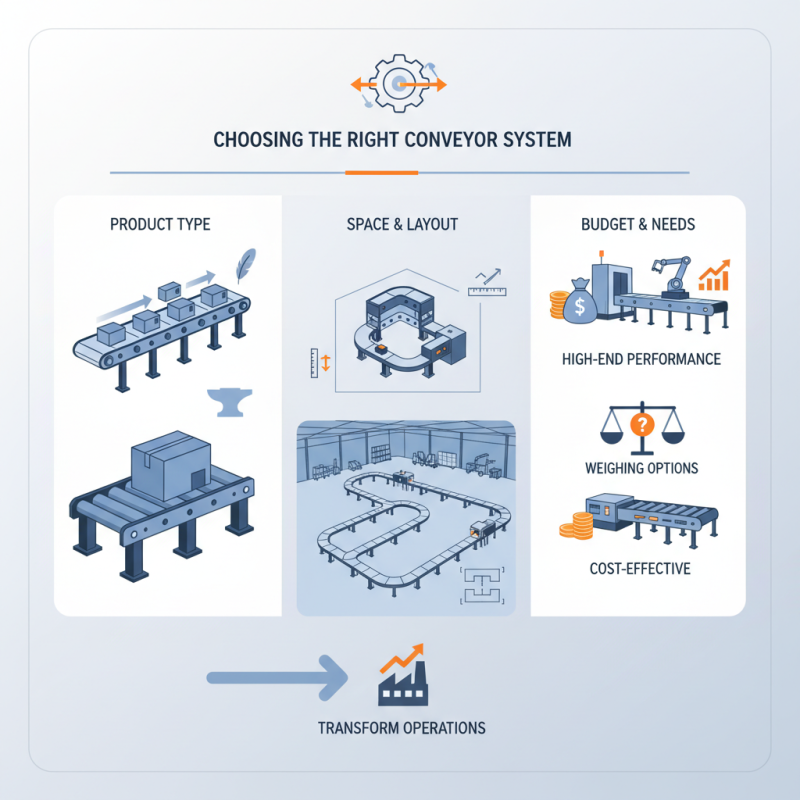
Factors to Consider When Choosing a Conveyor Machine for Your Business
When choosing a conveyor machine, several factors play a crucial role. The type of material being transported is one major consideration. Certain conveyors work better with heavy items, while others excel in moving lightweight goods. According to industry reports, around 30% of production downtime results from improper conveyor selection. This can lead to increased costs and inefficiency.
Another essential factor is the layout of your facility. Is your space limited? Horizontal conveyors may save space, but vertical systems can maximize efficiency. The right choice depends on your specific operational flow. Additionally, consider the maintenance requirements. A complex system might seem appealing but can lead to unexpected breakdowns. Up to 20% of conveyor failures are due to inadequate maintenance practices.
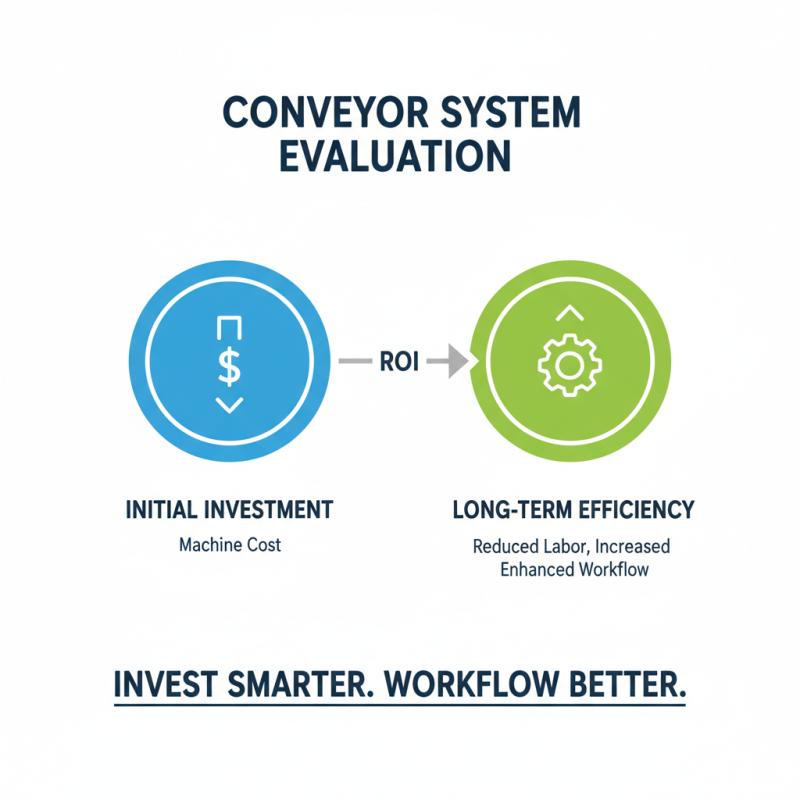
**Tips:** Always assess the expected load capacities before buying a conveyor. Check for flexibility in design for future expansions. Regularly review operational data to ensure the conveyor meets your needs as they evolve. Balancing initial cost with long-term efficiency is key.
How to Choose the Right Conveyor Machine for Your Business?
| Factor |
Description |
Importance Level |
| Product Type |
Identify the type of products that will be transported, as different materials require different conveyor types. |
High |
| Weight Capacity |
Consider the maximum weight that the conveyor will need to handle to ensure durability and performance. |
High |
| Space Availability |
Assess the available space in your facility to ensure proper fit and integration. |
Medium |
| Speed Requirements |
Determine the required speed of transport for efficient workflow. |
High |
| Maintenance Needs |
Evaluate how easy it is to maintain the conveyor to minimize downtime. |
Medium |
| Cost |
Consider the budget for initial purchase and long-term operational costs. |
High |
| Customization Options |
Check for available customization to fit specific operational needs. |
Medium |
Understanding Different Types of Conveyor Systems and Their Applications
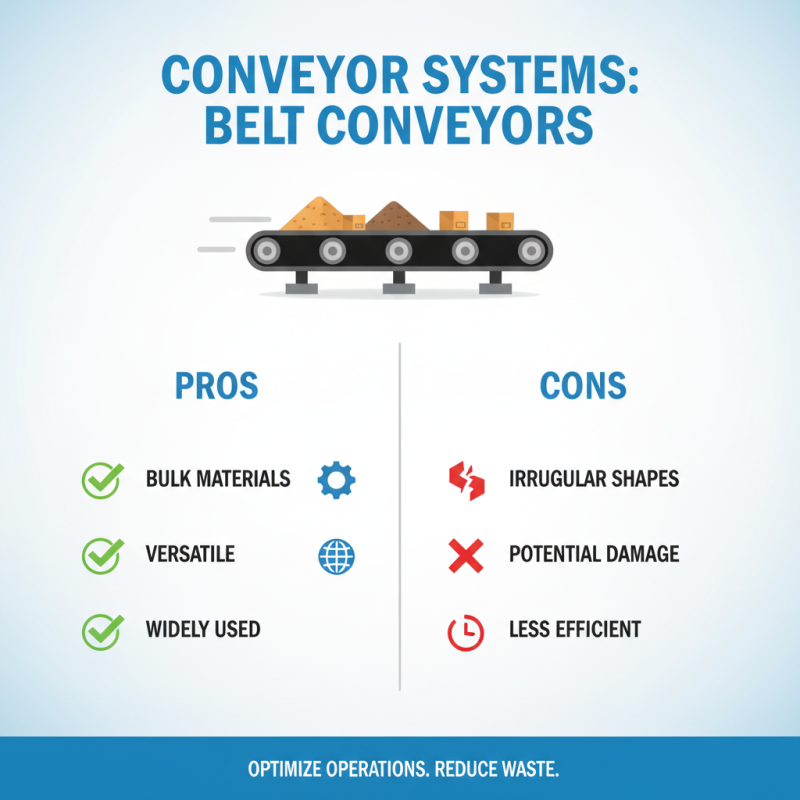
Choosing the right conveyor machine is crucial for any business. Understanding different types of conveyor systems can help streamline operations. For instance, belt conveyors are widely used in various industries. They are good for transporting bulk materials. However, they can be less efficient with irregular shapes. This might lead to waste or damage.
Roller conveyors offer another option. They are versatile and can handle heavy loads. Yet, they require careful planning for maintenance. Regular inspections are vital. Otherwise, the system can break down, causing delays. Another choice is chain conveyors. They excel in heavy-duty applications. Still, they need proper lubrication. Without it, chain wear increases.
It’s essential to evaluate your specific needs. Consider the products you will transport. Sizes and weights matter. You may need to rethink your approach. Sometimes, a combination of systems works best. Analyze the workflow in your facility. Identify bottlenecks and inefficiencies. Taking the time to reflect on these aspects can lead to better choices.
Evaluating Conveyor Capacity: How to Calculate Your Needs
When choosing a conveyor machine, understanding how to evaluate conveyor capacity is crucial. Start by examining your current workflow. Calculate the volume of materials you need to move. This includes weight, size, and frequency. Consider peak times and slow periods.
Can your conveyor handle fluctuating demands?
Next, assess the dimensions of the conveyor. Width and length should match your facility’s layout. An oversized conveyor may consume unnecessary space. If too small, it could lead to bottlenecks. Check the speed of the conveyor as well.
It should align with your production speed.
Another aspect is the weight limit. Heavier loads require robust machinery. However, an overly powerful system may lead to excess energy costs. Ask yourself—does this balance work for your needs? Remember, an underperforming conveyor can impact efficiency. Regular reflection on your requirements will help you adapt over time.
Assessing Material Handling Needs and Conveyor Compatibility
Choosing the right conveyor machine involves understanding your material handling needs. Not all conveyors are created equal. Different industries have distinct requirements based on the type of materials they handle. For example, the food industry often requires conveyors that meet strict hygiene standards, while manufacturing might need more robust solutions.
According to a report by the Material Handling Industry of America, nearly 70% of manufacturers experience delays due to inadequate conveyor systems. This statistic underscores the importance of compatibility. If a conveyor is not suited to the materials—whether heavy, bulky, or fragile—it can lead to inefficiencies. For instance, fragile items may require gentler handling mechanisms. Additionally, materials with high moisture content need conveyors that avoid contamination.
Evaluating the environment is also crucial. Conveyor systems should withstand dust, humidity, or temperature swings, which often go overlooked. Many businesses find themselves replacing conveyor systems sooner than expected due to environmental stresses. Proper assessment and planning are essential for long-term success. Understanding these nuances can help businesses avoid costly mistakes and make informed decisions about their conveyor systems.