What is Conveyor Systems and How Do They Work?
Conveyor systems are vital in modern industries, providing efficient material handling solutions. According to a report by MarketsandMarkets, the global conveyor systems market is projected to reach $8.24 billion by 2026. This significant growth underlines the critical role these systems play in supply chains and manufacturing processes.
John Smith, a leading expert in material handling technologies, states, "Conveyor systems reduce labor costs and enhance productivity." His insights reflect how industries are increasingly adopting conveyor systems to streamline operations. These systems can be found in diverse sectors, from automotive to food processing, demonstrating their versatility.
However, implementing conveyor systems isn't without challenges. Organizations must consider system design, maintenance, and implementation costs. Businesses need to critically assess their operational needs before investing. This ensures they choose the right type of conveyor system to maximize efficiency. Balancing innovation with practicality remains essential for long-term success in the conveyor systems market.
What are Conveyor Systems?
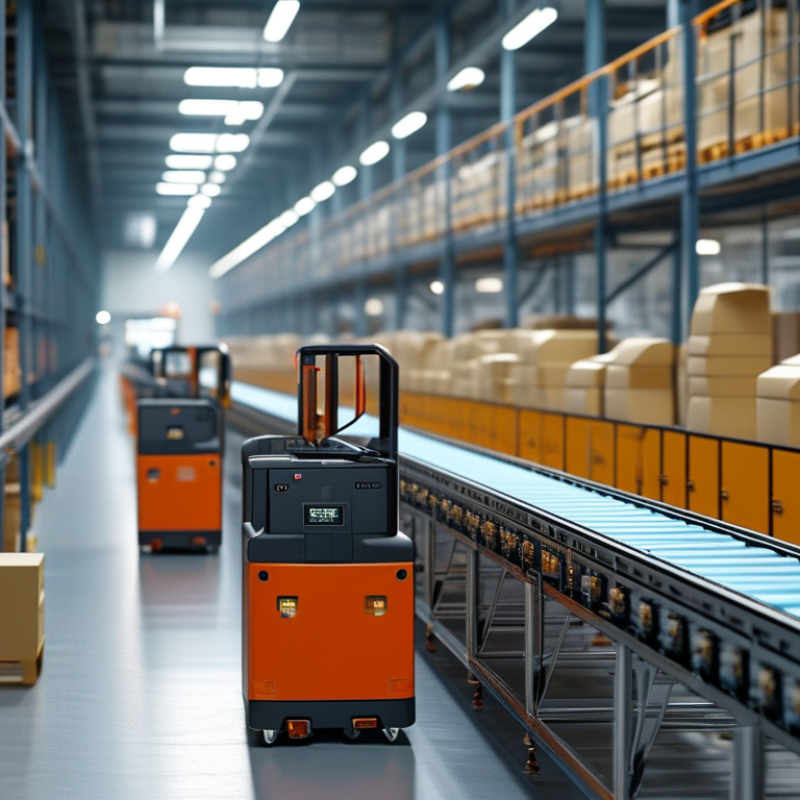
Conveyor systems are integral to modern manufacturing and logistics. They are used to transport materials and products efficiently across various industries. According to a report by Grand View Research, the global conveyor systems market was valued at approximately $7.3 billion in 2020. This figure highlights the high demand and reliance on these systems to enhance operational efficiency.
Typically, conveyor systems consist of pulleys, belts, and rollers. These components work together to move items through different processes, from assembly lines to packaging. The effectiveness of conveyor solutions can significantly improve productivity. A well-designed system can increase throughput by up to 50%. However, many businesses face challenges in optimizing their conveyor systems.
Frequent maintenance is often overlooked. Failure to maintain conveyor systems can lead to costly downtime. Additionally, the design of some systems may not align with the workflow, causing inefficiencies. Understanding your specific operational needs is crucial. Customization may require expert input. Every factory or warehouse is unique, and a one-size-fits-all approach can lead to missed opportunities for improvement. Addressing these factors can lead to better performance and enhanced reliability in material handling.
Types of Conveyor Systems and Their Applications
Conveyor systems are essential in various industries. They enhance efficiency by transporting materials over short and long distances. Among the different types, belt conveyors are the most popular. They move a wide range of materials, from bulk items to packaged goods. According to a report by Grand View Research, the global conveyor systems market was valued at approximately $7.24 billion in 2022 and is expected to grow significantly.
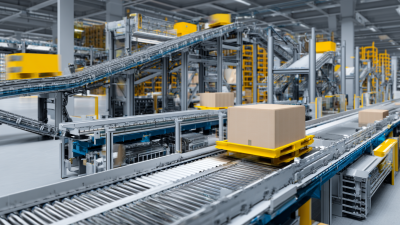
Roller conveyors are another vital type. They use gravity or powered rollers to move items. These systems are commonly seen in warehouses for sorting packages. A study by MarketsandMarkets projects that roller conveyors will experience a growth rate of about 4.3% from 2023 to 2030. This is partly due to the rise of e-commerce, which increases the demand for efficient sorting and distribution.
However, challenges exist. Maintenance of conveyor systems can be costly and time-consuming. Regular inspections are crucial to prevent breakdowns. Many companies overlook this aspect. Ignoring maintenance can lead to significant downtimes, affecting overall production. Addressing these issues is crucial to fully leverage the benefits of conveyor systems. Understanding the various types and their applications helps in choosing the right system for specific needs.
What is Conveyor Systems and How Do They Work? - Types of Conveyor Systems and Their Applications
| Type of Conveyor System |
Description |
Applications |
| Belt Conveyor |
A continuous loop of material that moves goods from one location to another. |
Mining, manufacturing, food processing. |
| Roller Conveyor |
Utilizes rollers to move goods along a horizontal surface. |
Warehousing, packaging, assembly lines. |
| Chain Conveyor |
Uses chain links to transport heavy loads securely and efficiently. |
Automotive, heavy industries, production lines. |
| Screw Conveyor |
Uses a helical screw to move bulk materials along a trough. |
Agriculture, manufacturing, wastewater treatment. |
| Bucket Conveyor |
Elevates bulk materials in buckets attached to a chain or belt. |
Food production, mining, bulk handling. |
How Conveyor Systems Work: Key Components and Mechanisms
Conveyor systems are pivotal in modern industries. They transport materials efficiently, reducing the need for manual handling. Understanding their mechanism is essential for optimizing operations. Key components include belts, rollers, and motors. The belt, often made from rubber or plastic, carries items over a set path. Rollers facilitate smooth movement and reduce wear. Motors drive the system, providing the necessary power to keep everything in motion.
The functioning of conveyor systems relies on a synergy of these components. For instance, a motor turns the rollers, which then rotates the belt. Items placed on the belt are moved along the designated route. However, maintenance is often overlooked. A worn-out belt or misaligned rollers can disrupt the flow. Regular checks are essential for keeping the system operational.
Proper installation and adjustment of these systems are crucial. Misalignment can lead to slippage and inefficient performance. It’s important to train staff on troubleshooting common issues. While conveyor systems are robust, they are not infallible. Operators should remain vigilant. Understanding the intricacies of these systems can lead to better productivity and safety in the workplace.
Advantages of Using Conveyor Systems in Various Industries
Conveyor systems offer numerous advantages across various industries. They enhance efficiency by automating the transport of materials. This automation minimizes human error and reduces labor costs. In warehouses, conveyors expedite the sorting and distribution of products, making the entire process smoother. For manufacturing, they ensure a continuous flow of materials, which can significantly boost productivity.
Tips for implementing a conveyor system include evaluating the specific needs of your operation. Keep in mind the types of materials you handle and their specific requirements. Each operation may need a tailor-made solution. Regular maintenance is key to prolonging the life of your system. A well-maintained conveyor reduces downtime and enhances reliability.
In food processing, conveyor systems ensure hygiene and safety. They are designed to meet strict food standards. However, they can be challenging to clean and sanitize effectively. Investing in easy-to-clean systems can mitigate these challenges. Reflecting on all these aspects can lead to more effective and sustainable operations.
Maintenance and Safety Considerations for Conveyor Systems
Conveyor systems are essential in many industries. They help move materials quickly and efficiently. However, proper maintenance is crucial for safety and performance. Regular checks prevent downtime and enhance longevity.
Routine inspections can identify wear and tear. Look for signs of misalignment, unusual noises, and vibration. Cleaning is also vital; debris can obstruct movement and cause malfunction. Don't overlook the importance of lubrication on moving parts. It reduces friction and wear.
Implement safety measures to protect workers. Ensure emergency stop buttons are accessible and functional. Training staff on conveyor operation and hazards is essential. Regular drills can prepare workers for emergencies. Remember, safety is a priority. Always reassess safety protocols and make improvements where needed.