Essential Tips for Choosing a Storage Conveyor System?
Choosing the right Storage Conveyor System is essential for efficient operations. A well-selected system can improve workflow, save time, and reduce labor costs. However, many businesses struggle with this decision. There are various types of conveyor systems available, each designed for specific needs. Understanding your unique requirements is crucial to making an informed choice.
Considering factors such as the type of materials being handled, the layout of your space, and the desired output is vital. Furthermore, it’s important to evaluate the reliability and durability of the systems. In the past, some companies faced issues due to poor selection. This led to frequent breakdowns, impacting productivity and profitability. By learning from such experiences, organizations can avoid similar pitfalls.
Lastly, consulting experts in the field can provide valuable insights. They can guide you through the selection process and help assess your needs. A solid Storage Conveyor System can transform your operations, but the choice must be made carefully. The right guidance will lead to long-term benefits and a smoother workflow.
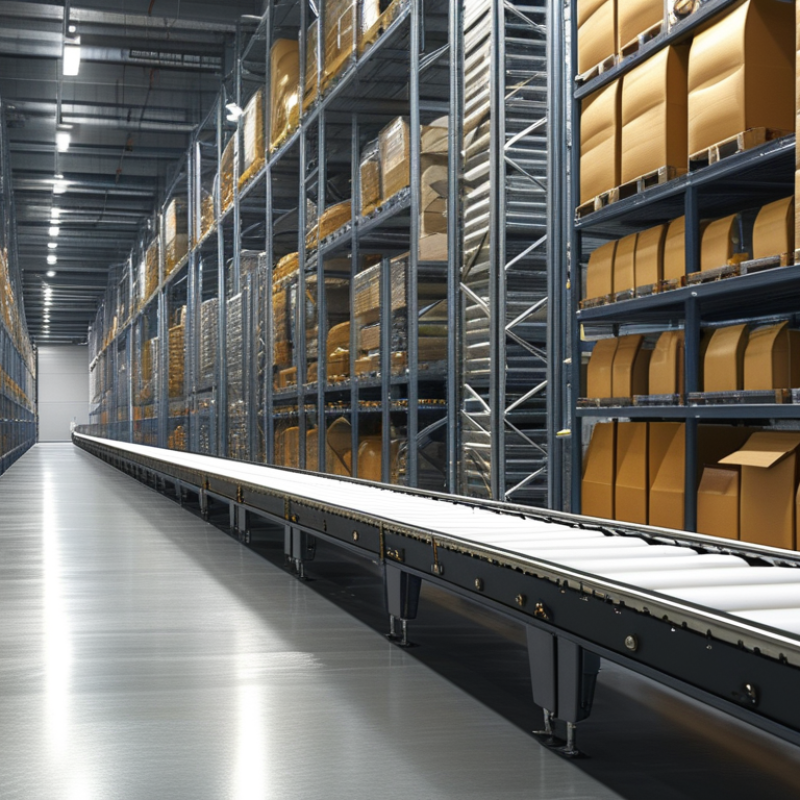
Factors to Consider When Selecting a Storage Conveyor System
When selecting a storage conveyor system, several factors play a crucial role. Understanding the specific needs of your operation is essential. According to a report by the Material Handling Industry of America, nearly 70% of warehouse inefficiencies stem from poor system selection. This statistic highlights the importance of a tailored approach.
Analyzing the available space is vital. The layout and available square footage determine which conveyor types are suitable. Some systems, like roller conveyors, offer flexibility in tight spaces. In contrast, automated systems often need more room for operation and maintenance. Additionally, capacity is a critical consideration. Systems vary significantly in their load capacities, with some conveyors handling weights exceeding 1000 pounds per section. It's essential to match these capacities with your operational requirements.
Another key aspect is the automation level. Research suggests that automated systems can increase efficiency by up to 30%. However, integrating these systems requires investment and training. Many organizations overlook the challenges of training staff to use and maintain complex systems. Finally, it's worth noting that maintenance requirements vary. Some systems require minimal upkeep, while others might need regular inspections and part replacements, making reliable information crucial for decision-making.
Types of Storage Conveyor Systems Available in the Market
When exploring storage conveyor systems, understanding the various types is crucial. These systems play a vital role in warehouse efficiency. According to industry reports, nearly 60% of warehouses utilize some form of conveyor system to optimize their storage and retrieval processes. Different types cater to specific needs.
Gravity conveyors are popular for their simple design. They rely on gravity for movement and are cost-effective. Roller conveyors offer flexibility, especially for heavier items. They can manage a variety of product shapes and sizes. In contrast, automated storage and retrieval systems (AS/RS) have emerged as a cutting-edge solution. Reports indicate that AS/RS can improve inventory accuracy by up to 99.9%. However, these systems require a significant initial investment and complex maintenance.
Moreover, modular conveyor systems are gaining traction. They allow for easy reconfiguration, adapting to changing storage needs. Yet, customization can lead to unforeseen challenges in integration. Discussing the benefits and limitations of each type is essential. Evaluating them ensures that your chosen system aligns with your operational goals. Streamlining your logistics approach can significantly impact productivity and efficiency. Consider these factors when selecting a conveyor system for your storage solutions.
Key Features to Look for in a Storage Conveyor System
When selecting a storage conveyor system, understanding key features is essential. First, consider the load capacity. Many facilities use conveyors handling up to 2,000 pounds. Knowing your weight requirements helps in choosing the right system.
Flexibility is also critical. A good conveyor system should handle various product types, whether they are boxes, pallets, or irregular shapes. According to industry research, adaptable systems improve efficiency by 30%. This is vital for dynamic environments.
Another important feature is control options. Automated systems with smart technology streamline operations. They reduce human errors and enhance safety. There’s a report indicating that automated conveyors decrease operational costs by 20%.
**Tips:** Evaluate your space. Measure dimensions to ensure the system fits perfectly. Create a list of products you'll move. Understanding their sizes and weights guides system choice. Think about maintenance. Easy-to-service systems can save time and money.
Essential Tips for Choosing a Storage Conveyor System
| Key Feature |
Description |
Importance |
| Load Capacity |
The maximum weight the conveyor can handle. |
Determines if the system can support your items. |
| Speed |
The rate at which items are transported on the conveyor. |
Affects overall efficiency and productivity. |
| Size and Dimensions |
Physical space the conveyor occupies. |
Ensures fit within your facility layout. |
| Modularity |
Ability to add or remove sections as needed. |
Adapts to changing storage and operational needs. |
| Maintenance Requirements |
Frequency and type of maintenance needed. |
Impacts operational downtime and costs. |
| Safety Features |
Includes guards, emergency stops, and sensors. |
Protects workers and minimizes accidents. |
Evaluating the Scalability of Your Storage Conveyor Solution
When evaluating the scalability of your storage conveyor solution, it’s crucial to consider future needs. Your business may grow over time. A scalable system can adapt and change. It must allow for easy expansion or modification. Think about how you might add features later, such as increased speed or additional sections.
Tips for choosing a storage conveyor system include assessing your current inventory. Ensure the conveyor can handle peak volumes. Check if the system can be easily upgraded. Look for modular designs that simplify reconfiguration. Lastly, consider the technology. Advanced systems provide better data tracking and management capabilities.
It’s also essential to involve your team. They understand daily operations best. Gather their feedback on workflow needs. Some may prefer enhanced automation, while others may want more manual controls. Balancing these preferences can improve overall efficiency. Be prepared for compromises. Not every choice will please everyone, but the goal is to find a solution that works effectively for most.
Cost Implications of Different Storage Conveyor Systems
When selecting a storage conveyor system, cost implications are critical. Different systems offer varying efficiency levels, which can significantly impact overall expenses. For instance, automated systems may have a high initial investment but can reduce labor costs in the long run. It's crucial to analyze the return on investment based on your specific needs.
Maintenance costs are another factor. Some systems require regular servicing, while others are designed for longevity. A more complex system may promise higher efficiency but could lead to unexpected repairs, increasing your budget. Often, companies overlook these aspects when prioritizing upfront costs.
Additionally, consider the scalability of the system. A cheaper solution might serve your current needs, but it may limit future growth. Investing in a modular system could initially seem more expensive, but it could save more in the future. Reflect on your operational goals carefully. Each decision has lasting implications for your logistics and operational efficiency.