How to Optimize Conveyor System Design for Global Buyers?
In today's competitive landscape, effective Conveyor System Design is crucial for global buyers. According to a recent report by Grand View Research, the global conveyor systems market is expected to reach $9.6 billion by 2027. This growth highlights the necessity for optimized designs that enhance efficiency and reduce operational costs.
Many companies struggle with outdated systems that hinder productivity. Inefficient conveyor designs often lead to increased downtime and wasted resources. Research shows that a well-optimized conveyor system can improve material handling efficiency by up to 30%. This statistic underscores the value of investing in advanced design practices.
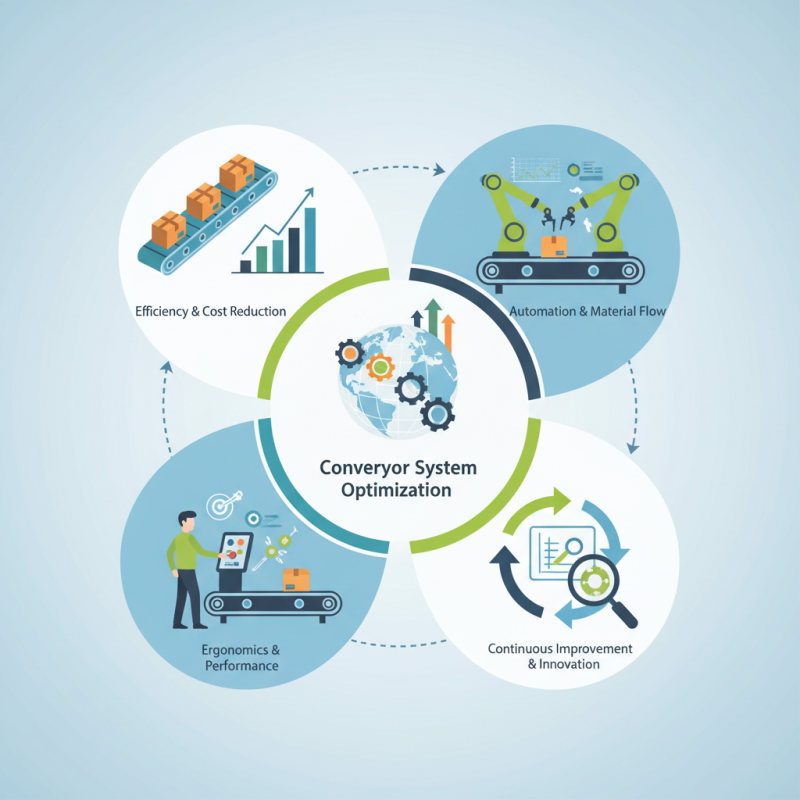
Engineers must consider several factors. These include material flow, automation, and ergonomics. Each element plays a vital role in achieving optimal performance. While many organizations aim for perfection, some overlook the importance of continuous improvement. Reflecting on past designs can lead to innovative solutions tailored for future challenges. By prioritizing effective Conveyor System Design, companies can remain competitive in an evolving market.
Understanding the Importance of Conveyor System Design for Global Buyers
Understanding the importance of conveyor system design for global buyers involves several key factors. A well-designed conveyor system can greatly increase efficiency and reduce operational costs. Global buyers must evaluate how these systems fit into their supply chain. They should understand the unique challenges that come with different industries, such as food processing, manufacturing, or logistics.
**Tips:** Always assess the system's adaptability. Consider how the design could evolve with future needs. This foresight can prevent costly revisions later. In some cases, buyers may overlook spacing and layout requirements, resulting in bottlenecks. Conducting a layout analysis can bring clarity.
Another aspect to consider is the material selection. Compliance with global safety standards is critical. Using inappropriate materials might compromise system integrity. Buyers might need to reflect on the long-term impacts of their choices. A decision rooted in cost-cutting today can lead to significant expenses tomorrow.
**Tips:** Engage with suppliers for insights on materials. Their expertise can be invaluable. Understanding maintenance requirements upfront will help in managing costs effectively in the future.
Key Factors Influencing Conveyor System Efficiency and Performance
Designing an efficient conveyor system involves several critical factors. Material handling plays a key role. The choice of belt type, width, and speed can significantly impact performance. Consider the physical properties of the materials being transported. For instance, bulk materials may require different handling methods than fragile items. Understanding these nuances helps in designing a robust system.
Another important aspect is the layout of the conveyor system. Space constraints and workflow should guide design decisions. It’s essential to evaluate the integration with existing systems. This integration can either enhance or hinder operations. Observing the flow of goods can reveal potential bottlenecks. Addressing these areas proactively saves time and resources.
Lastly, regular maintenance is invaluable for optimal performance. Neglecting it can lead to unexpected downtime. Investing in monitoring and control systems can provide insights into performance metrics. Such a data-driven approach enables timely interventions. Enhanced efficiency is often rooted in ongoing evaluation and adjustment of the system.
Optimizing Conveyor System Performance
This bar chart illustrates key performance metrics of conveyor systems, showcasing efficiency, speed, load capacity, and energy consumption. By understanding these factors, global buyers can optimize their conveyor system design for enhanced performance and overall effectiveness.
Steps to Analyze Specific Needs for Conveyor System Optimization
Analyzing specific needs for conveyor system optimization is crucial for global buyers seeking efficiency. A recent industry report indicates that poorly designed conveyor systems can lead to a 20% increase in operational costs. Understanding operational flow and existing constraints helps in tailoring optimal solutions. Buyers should assess volume requirements, weight capacities, and layout flexibility. This helps align the system with facility dynamics.
Gathering data on production rates and future scalability is essential. Over 60% of facilities report challenges with adapting to changing product lines. Conducting a thorough needs analysis minimizes disruptions during implementation. Consideration of maintenance needs is also vital. Many systems require regular upkeep that can impact overall productivity. Making informed decisions here can save costs in the long run.
Engaging with experts in conveyor design can enhance reliability. Research indicates that involving experienced engineers during planning boosts efficiency by 25%. Exploring various design configurations, such as modular systems, can lead to innovative solutions. This approach may also highlight areas needing further reflection or improvement in existing setups. Adopting a proactive stance ensures that systems evolve alongside market demands, leading to sustained operational success.
Materials and Technologies for Modern Conveyor Systems
Modern conveyor systems are vital for efficient material handling.
Selecting the right materials is crucial. Steel is strong
but can corrode. Plastic, on the other hand,
is lightweight and resistant to moisture, yet less durable. The choice often comes down to the
intended application and the environment in which the system operates.
Technologies also play a key role in optimizing conveyor design. Automated systems
can improve throughput but may add complexity. Sensors and monitoring can enhance
reliability, yet they require ongoing maintenance. Understanding the balance between innovation
and practicality is essential for success.
In many cases, the integration of new technologies proves challenging. Employees
may need extra training to adapt. Moreover, not every company can afford the latest systems. This
creates a gap that requires careful consideration. Companies must weigh the potential
benefits against their resource limitations.