Top Conveyor and Automation Solutions for Global Buyers?
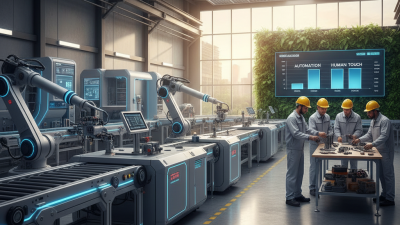
In the evolving landscape of industry, the demand for efficient production systems is paramount. Conveyor and automation solutions have emerged as crucial elements for businesses aiming to increase productivity. These systems streamline operations and reduce labor costs remarkably. Global buyers seek top-tier solutions that adapt to various sectors, from manufacturing to logistics.
The rise of technology has introduced innovative conveyor designs. Advanced automation integrates artificial intelligence and robotics. This enhances the speed and accuracy of tasks. However, choosing the right system can be overwhelming. Many options might seem similar, yet features vary significantly. It’s necessary to assess which solutions truly meet specific operational needs.
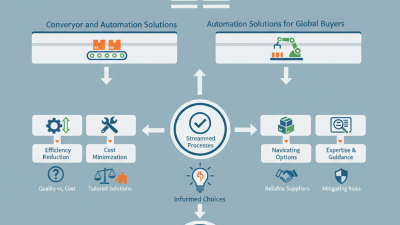
Finding reliable conveyor and automation providers is essential. Companies must focus on trusted brands known for expertise and efficiency. Investing in quality systems can lead to long-term benefits. However, one must also consider the potential challenges of implementation and maintenance. This reflective approach allows buyers to make informed decisions that align with their business goals.
Key Types of Conveyor Systems for Industrial Applications
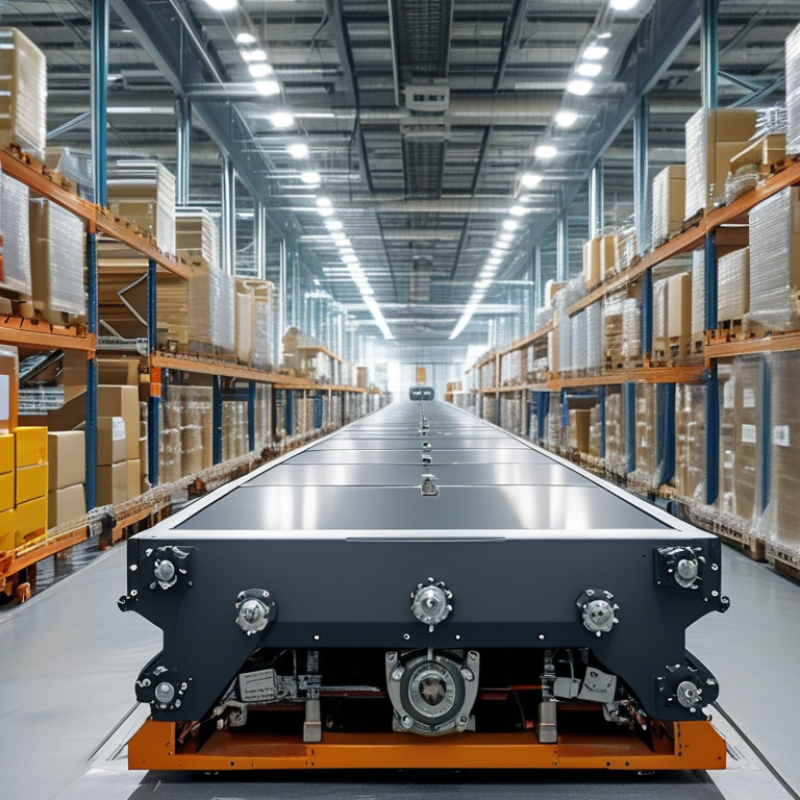
Conveyor systems play a crucial role in industrial applications. These systems enhance productivity and efficiency in manufacturing and logistics. The global conveyor systems market is expected to reach $7.1 billion by 2025, reflecting steady growth driven by increasing automation demands. Companies are seeking better solutions to streamline operations.
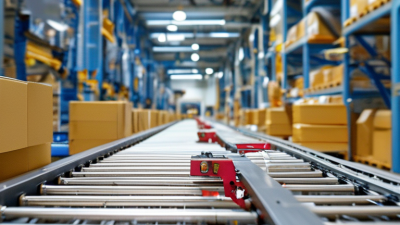
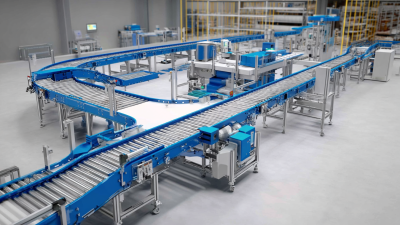
There are several key types of conveyor systems. Belt conveyors are widely used due to their simple design and cost-effectiveness. Roller conveyors facilitate heavy material handling, often in warehouses. Overhead conveyors save floor space and improve workflow. According to a recent industry report, 45% of companies plan to invest in advanced conveyor technology within the next two years.
However, there are challenges. Maintaining conveyor systems requires regular inspections and repairs. Failure to address wear and tear can lead to significant downtimes. Not all systems are adaptable to every environment or product type. Understanding the specific needs of an operation is critical. The right choice of conveyor system can lead to efficient production and improved safety on the factory floor.
Advancements in Automation Technology for Conveyor Systems
Advancements in automation technology are reshaping conveyor systems across industries. A recent report from the International Federation of Robotics indicates that global robot sales increased by 25% in 2021, highlighting a trend towards smarter automation solutions. These technologies enhance operational efficiency and reduce labor costs significantly.
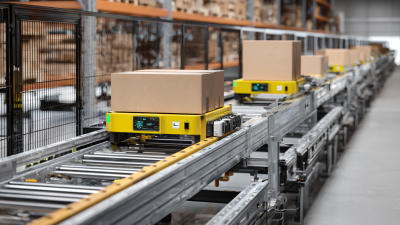
Automated conveyor systems now integrate advanced sensors and AI-driven analytics, enabling real-time data collection and decision-making. Research from MarketsandMarkets predicts that the global conveyor systems market will reach $10.5 billion by 2027, driven by the push for more agile manufacturing processes. Such systems can adapt to changing workflows, improving responsiveness.
However, the transition to automation brings challenges. Many companies struggle with high upfront costs and integration into existing processes. Adopting new technologies requires training and may encounter resistance from employees. Ultimately, successful integration of automation in conveyor systems hinges on balancing innovation with practical limitations.
Global Market Trends Impacting Conveyor and Automation Solutions
The global market for conveyor and automation solutions is rapidly evolving. Many businesses are investing in new technologies to enhance productivity. Automation minimizes human error, making operations smoother and more efficient. However, implementing these technologies can be challenging. Companies often face integration issues with existing systems.
Sustainability concerns also play a significant role in shaping market trends. More buyers are looking for eco-friendly solutions. These include energy-efficient conveyors and automation systems designed for minimal waste. However, making the switch to sustainable options isn’t always straightforward. Organizations may struggle with higher initial costs or changes in workforce dynamics.
There is also a notable shift towards customization. Businesses are seeking solutions tailored to their specific needs. This demand can lead to higher complexity in design and production. Suppliers must balance customization and efficiency. They must remain agile to respond to these changing requirements while maintaining quality. As the industry progresses, ongoing adaptation is crucial for success.
Top Manufacturers Leading the Conveyor and Automation Industry
The conveyor and automation industry has seen significant advancements in recent years. Leading manufacturers are focused on creating efficient systems to meet diverse customer needs. They develop innovative technologies that enhance productivity and streamline operations. These solutions are essential for businesses looking to optimize their supply chain processes.
Many top manufacturers are investing in research and development. They aim to improve every aspect of their systems, from design to implementation. This commitment elevates their status as industry leaders. The growing demand for faster and more adaptable systems challenges them. They must continuously evolve to remain competitive.
However, not all solutions perfectly fit every operation. Some may lack flexibility for specific environments. Businesses must critically evaluate options to ensure compatibility. It's vital to consider both performance and cost-effectiveness. Finding the right balance can lead to greater efficiency and return on investment.
Factors to Consider When Selecting Conveyor Solutions for Your Business
Selecting the right conveyor solutions can significantly impact your business efficiency. It’s crucial to understand your specific needs and operational environment. Does your facility have space constraints? Will you be handling heavy loads or fragile items? These questions guide your choice of conveyor system.
Tips: Assess your workspace. Knowing dimensions helps narrow down options. Consider flexibility. Adjustable systems can adapt to changes in your workflow.
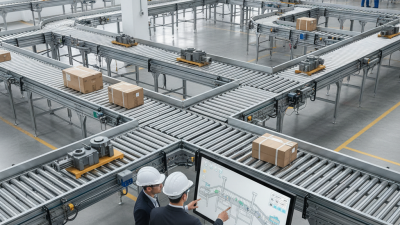
Another factor to ponder is the conveyor’s compatibility with automation. An integrated system streamlines processes. However, it often requires upfront investment, which may raise concerns. Ask yourself: Is the cost justifiable?
Tips: Conduct a cost-benefit analysis. Calculate potential savings from enhanced efficiency. Consult industry experts for insights on best practices. This research will provide clarity.