Top 10 Conveyor Equipment Solutions for Global Buyers?
In today's fast-paced industrial landscape, the demand for efficient logistics solutions continues to rise. Conveyor equipment plays a crucial role in streamlining operations across various sectors. From manufacturing plants to warehouses, these systems enhance productivity and reduce labor costs. However, not all conveyor solutions are created equal. Each industry has unique needs, requiring tailored approaches.
Finding the right conveyor equipment can be a challenging task. Buyers must consider functionality, durability, and cost-effectiveness. Knowledge gaps often lead to suboptimal choices that may hinder operations. Smart buyers invest time in understanding their specific requirements. This research is essential for navigating the myriad of available options.
This article presents the top 10 conveyor equipment solutions for global buyers. It draws on expert insights and market analysis to showcase reliable products. Each solution reflects diverse applications and efficiency traits. The ultimate goal is to guide buyers in making informed decisions. The right conveyor equipment can significantly impact overall performance and operational success.
Top Trends in Conveyor Equipment Technology for 2023
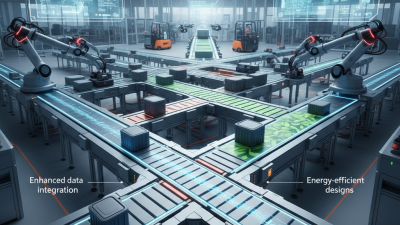
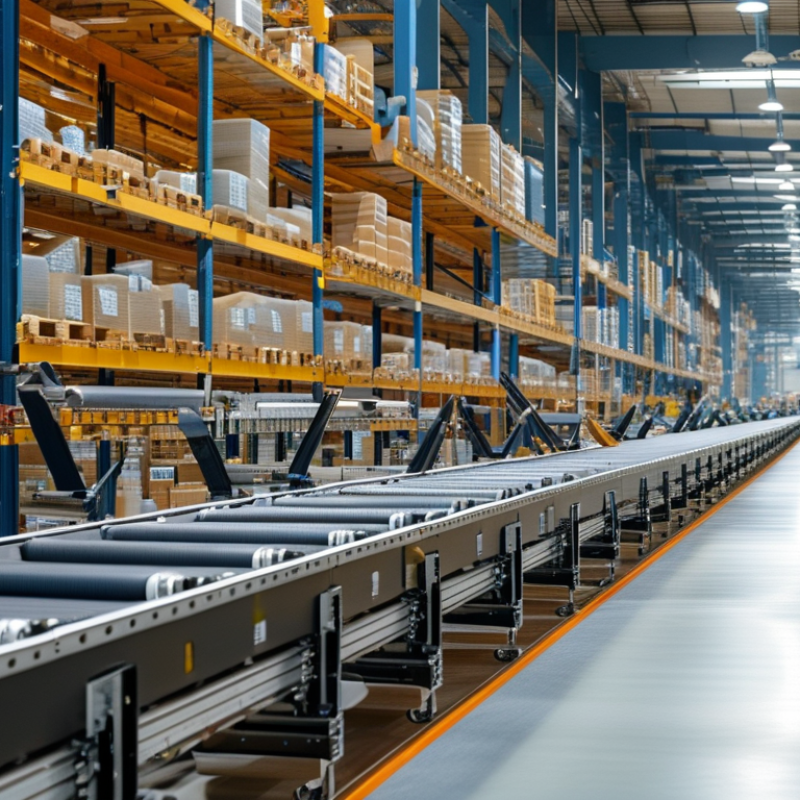
The conveyor equipment sector is transforming rapidly in 2023. Automation and smart technology are leading the charge. Companies are increasingly adopting intelligent systems that enhance efficiency. These systems can track items in real-time. This improves accuracy and reduces bottlenecks, leading to smoother operations.
Sustainability remains a key focus. Many manufacturers are now using eco-friendly materials for construction. Energy-efficient motors are becoming standard to reduce overall energy consumption. While these advancements are promising, challenges persist. Some companies struggle with integration into existing systems. Training staff on new technology is also a common hurdle.
Customization is gaining traction as well. Buyers want solutions tailored to their specific needs. Modular designs allow for easy upgrades and expansions. Despite this trend, many companies still rely on outdated equipment. This can result in higher operational costs and inefficiencies. Staying updated with these trends is essential for competitive advantage.
Key Factors Influencing Global Conveyor Equipment Market Growth
The global conveyor equipment market is evolving rapidly. Key factors are driving its growth and shaping its future. One crucial factor is the rise in automation across various industries. Businesses are seeking to improve efficiency and reduce labor costs. This has led to an increased demand for advanced conveyor systems tailored to specific operational needs.
Another significant influence is the growing focus on sustainability. Industries are under pressure to reduce their carbon footprint. Many are investing in energy-efficient conveyor systems that lower power consumption. This shift not only benefits the environment but also helps companies save costs over time. However, the initial investment can be a challenge for smaller businesses.
Technological advancements also play a vital role. Innovations in materials and control systems are enhancing conveyor performance. However, companies must navigate the complexities of integrating new technology into existing operations. Finding the right balance between modernization and cost-effectiveness is essential. This can be a daunting task, often requiring careful planning and resource allocation.
Comparative Analysis of Belt, Roller, and Chain Conveyors
Conveyors play a vital role in various industries, enabling efficient material handling. Among them, belt, roller, and chain conveyors are popular choices. Each type has its own unique features, advantages, and applications.
Belt conveyors are widely used for transporting bulk materials. They have a continuous belt that runs over pulleys. This system is efficient for moving products over long distances. However, they can wear out quickly, especially in abrasive environments. Proper maintenance is essential to extend their lifespan.
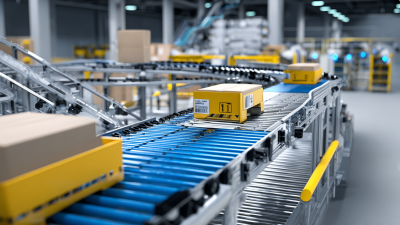
Roller conveyors, on the other hand, offer high versatility. They consist of rollers, allowing items to move via gravity or powered motion. While they are easy to maintain, their effectiveness can decrease with uneven surfaces. Recognizing the limitations of roller systems is key to optimizing their use.
Chain conveyors are robust and suited for heavy loads. They operate with linked chains to transport items securely. Although they can handle tough conditions, noisy operation and high energy use are concerns. Reflecting on these traits helps buyers choose the right conveyor for their needs.
Evaluating Energy Efficiency in Conveyor Systems: Industry Benchmarks
Evaluating energy efficiency in conveyor systems is crucial for modern industries. According to a 2023 report from the International Energy Agency, conveyor systems account for up to 10% of energy consumption in manufacturing. This statistic emphasizes the need for energy-efficient solutions. Industry benchmarks suggest that optimizing energy use can reduce operational costs by 15% on average.
Many companies overlook the importance of regular energy audits. A thorough audit reveals inefficiencies that can lead to significant energy losses. Studies show that implementing variable frequency drives can enhance energy efficiency by 25% or more. However, despite the benefits, only 30% of businesses routinely conduct these assessments. This gap highlights a need for greater awareness and action.
In addition, the integration of smart monitoring systems can boost performance. Real-time data can identify overloading events and help adjust operations accordingly. Surprisingly, many organizations still rely on outdated systems without such capabilities. This reliance can be counterproductive, limiting the potential for energy savings. Companies must reflect on their current practices and consider evolving their approach to energy management in conveyor systems.
Case Studies of Successful Conveyor Equipment Implementation Worldwide
The implementation of conveyor equipment has transformed industries across the globe. One study from the International Conveyor Systems Federation found that businesses adopting advanced conveyor solutions reported a 30% increase in efficiency. This is evident in the automotive sector, where a major manufacturer streamlined its assembly process using automated conveyors, reducing labor costs by 20%.
Yet, challenges remain. A poorly designed conveyor can lead to significant downtime. One manufacturer faced 15% production delays due to misalignment issues. Such failures underline the importance of proper installation and maintenance. Ensuring system compatibility with existing infrastructure is crucial for success.
Tip: Invest in proper training for your team. Knowledgeable staff can identify potential problems before they escalate. Another key consideration is regular system audits. This can pinpoint inefficiencies, ultimately leading to better productivity.
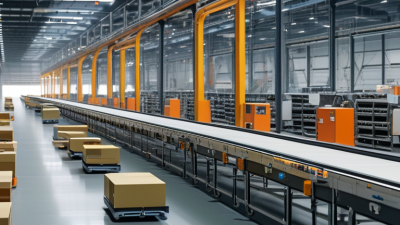
In the e-commerce field, optimizing warehouse logistics through conveyor systems has become a game-changer. Companies that adjusted their workflow reported a 25% faster order processing time. However, over-reliance on automation without continuous assessment can lead to stagnation, affecting overall growth. Continuous improvement is essential for harnessing the true potential of conveyor technology.