Leave Your Message
China Top Industrial Conveyor Systems Manufacturers?
Choosing among China’s top Industrial Conveyor Systems manufacturers requires more than comparing catalog prices. A reliable supplier must understand load behavior, belt tension, transfer points, control logic, and workplace safety. In a real plant, a poorly aligned belt can spill powder beneath a transfer chute within minutes. Small design errors become expensive maintenance problems.
Taiichi Ohno, the manufacturing and material-flow expert behind the Toyota Production System, said, “Without standards, there can be no improvement.” His principle applies directly to conveyor selection. Buyers should request measurable standards, including belt speed, carrying capacity, motor efficiency, frame tolerances, guarding details, and factory testing procedures. ISO 9001 certification may support quality control, but it does not replace technical verification. Ask for drawings, inspection records, reference projects, and after-sales response times.
Experience matters here.
The strongest Chinese manufacturers usually provide more than standard belts and rollers. They can adapt conveyors for mining, warehousing, ports, food processing, recycling, and automated production lines. However, “top” is not universal. A supplier that performs well on a 40-meter warehouse conveyor may lack experience with abrasive ore or high-temperature materials. This guide compares manufacturer capabilities, customization depth, production experience, certifications, delivery practices, and service reliability. It also considers an uncomfortable point: attractive pricing can hide weak documentation or limited commissioning support. Careful evaluation remains essential before signing a contract.
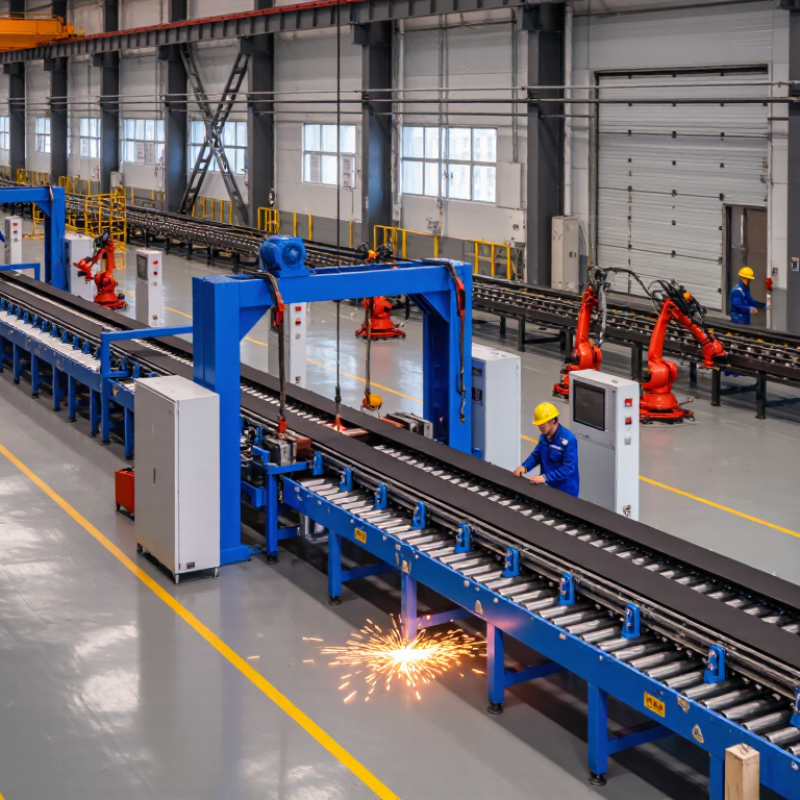
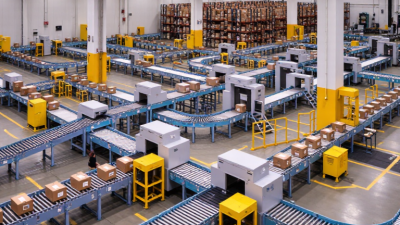
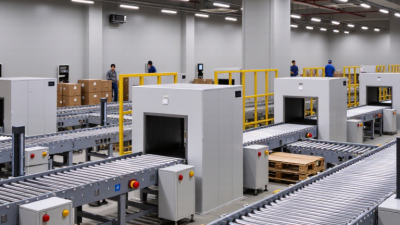
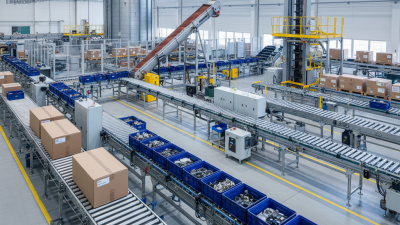
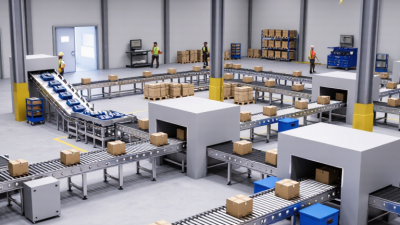
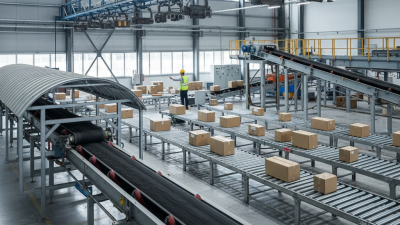
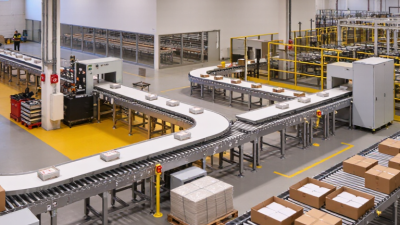
Industrial conveyor systems are mechanical networks that move materials through factories, warehouses, mines, and distribution centers. They may use belts, rollers, chains, or flexible screw mechanisms. Each design suits a different load, distance, speed, and working environment.
In plant assessments, I examine the material before selecting equipment. Boxes need stable belt support. Heavy metal parts may require powered rollers or chain conveyors. Dusty areas demand sealed bearings and accessible cleaning points. A short conveyor can still need careful planning. Poorly positioned transfer points often cause product damage, noise, and spilled materials.
The frame, drive motor, pulleys, sensors, guards, and controls work as one system. Speed control helps operators match production rates. Emergency stops should remain visible and easy to reach. Maintenance access matters too. If technicians cannot inspect a bearing safely, small faults can become expensive downtime.
Capacity calculations should include load weight, spacing, incline, and operating hours. Moisture and temperature also affect belt life. I have seen projects focus heavily on maximum speed while ignoring cleaning and repair time. That choice looked efficient on paper, but it created delays later. A better assessment includes real operating conditions, worker movement, and future layout changes. Even a well-designed system may need adjustment after installation.
| Conveyor System Type | How It Works | Typical Applications | Typical Load or Material | Typical Speed Range | Main Advantages | Important Selection Factors |
|---|---|---|---|---|---|---|
| Belt Conveyor | A continuous belt moves around powered and return pulleys to transport materials. | Warehousing, parcel handling, mining, aggregate processing, food processing, and manufacturing. | Packages, cartons, bulk solids, bags, and unit loads; capacity depends on belt width, speed, and material density. | Approximately 0.3–5 m/s for many industrial duties; heavy-duty systems may use different operating speeds. | Versatile, suitable for long distances, and available with flat, troughed, inclined, or curved layouts. | Belt material, belt width, incline angle, tension, pulley diameter, dust control, and cleaning requirements. |
| Roller Conveyor | Products travel over cylindrical rollers powered by motors or moved by gravity. | Pallet handling, cartons, assembly lines, distribution centers, and loading areas. | Rigid-bottom cartons, totes, crates, and pallets; loads must bridge the roller spacing. | Approximately 0.1–1.5 m/s for common powered applications. | Durable, modular, easy to integrate with sensors and accumulation zones. | Roller diameter and pitch, load weight, product base, accumulation method, and noise level. |
| Chain Conveyor | One or more continuous chains carry products or support flights, slats, or attachments. | Pallet transfer, automotive production, heavy manufacturing, and high-temperature material handling. | Heavy pallets, fixtures, containers, and products requiring positive movement. | Approximately 0.05–0.6 m/s in many heavy-duty conveying applications. | High load capacity, robust construction, and reliable movement of heavy or irregular loads. | Chain type, lubrication, sprocket design, impact loading, product support, and guarding. |
| Slat Conveyor | Linked metal or plastic slats form a continuous conveying surface driven by chains. | Bottling, canning, packaging, filling lines, and products requiring stable positioning. | Bottles, cans, containers, trays, and other rigid products. | Approximately 0.05–1.0 m/s, depending on product stability and line configuration. | Smooth product support, precise transfer, and compatibility with washdown environments when properly specified. | Slat material, surface friction, sanitation requirements, transfer gaps, and product orientation. |
| Screw Conveyor | A rotating helical screw moves bulk material through a trough or enclosed tube. | Powder handling, grain processing, cement, chemicals, wastewater treatment, and waste management. | Powders, granules, pellets, sludge, and other bulk materials. | Commonly about 20–200 rpm; the required speed depends on material properties and capacity. | Compact design, enclosed conveying, controlled feeding, and suitability for horizontal or inclined transfer. | Material abrasiveness, moisture, temperature, fill level, screw diameter, and wear protection. |
| Bucket Elevator | Buckets attached to a belt or chain lift bulk material vertically and discharge it at the head. | Grain, cement, minerals, fertilizer, food ingredients, and other vertical bulk-handling duties. | Dry, free-flowing bulk materials, including powders, granules, and small particles. | Bucket speed varies by design; slower speeds are generally used for fragile or abrasive materials. | Efficient vertical lifting with a relatively small floor footprint. | Lift height, bucket volume, material flowability, discharge method, dust control, and belt or chain selection. |
| Pneumatic Conveyor | Airflow transports powders or small particles through a pipeline in dilute or dense phase. | Food ingredients, pharmaceuticals, plastics, chemicals, and dust-controlled production areas. | Dry powders, pellets, granules, and lightweight particulate materials. | Air velocity is commonly selected within approximately 15–30 m/s for dilute-phase conveying, subject to material properties. | Flexible routing, enclosed transfer, reduced floor space, and effective dust containment. | Particle size, bulk density, moisture, degradation risk, air filtration, pressure drop, and explosion protection. |
| Overhead Conveyor | A trolley, chain, or carrier moves loads above the working floor. | Automotive painting, garment handling, assembly, storage, and process lines. | Parts, garments, tools, fixtures, and suspended products. | Approximately 0.05–0.5 m/s for many process and assembly applications. | Uses overhead space, keeps floors clear, and supports routing through multiple process stages. | Suspended load, track layout, hanger design, line balance, access for maintenance, and emergency stops. |
Note: Speed and capacity figures are general engineering reference ranges rather than guaranteed performance values. Final specifications should be determined from the material characteristics, conveyor length, elevation change, duty cycle, environmental conditions, applicable safety requirements, and required throughput.