Why Is Conveyor Equipment Essential for Your Business?
Conveyor Equipment is more than a way to move products from one station to another. In a busy warehouse, it can carry cartons past packing benches, reduce repeated lifting, and keep work moving between teams. The gains depend on the actual process. A poorly matched belt may create bottlenecks rather than remove them.
Businesses often consider conveyors when manual handling becomes slow, inconsistent, or physically demanding. The right system can support steadier throughput and clearer material flow, especially where products follow repeatable routes. Small details count. Package size, weight, surface, incline, cleaning needs, and available floor space all affect equipment selection. A belt designed for light boxes may not suit heavy components or fragile goods. That sounds obvious, but it is easy to overlook during planning.
Automation alone does not guarantee better performance. Motors, rollers, sensors, and safety controls require suitable installation and routine inspection. Teams also need training, and maintenance access should be planned before equipment arrives. A short stoppage can disrupt several connected work areas. So can a simple jam. Track throughput, stoppages, and labor demands before and after installation; these measures help show whether expected benefits appear in daily operations. Costs matter too, including energy use, spare parts, installation, and downtime during changeovers. Before investing, compare expected capacity with real demand, and consider how seasonal peaks or product changes may affect the line. No single conveyor fits every operation. A careful assessment, informed by operators and qualified equipment specialists, helps businesses choose a system that improves flow without adding avoidable complexity. Even then, the first design may need adjustment after workers use it. That is worth admitting.
Core Components and Operating Principles of Conveyor Equipment
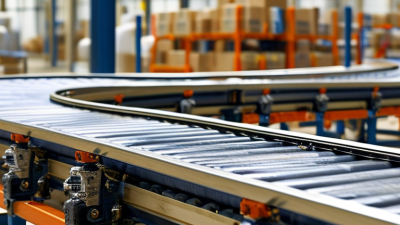
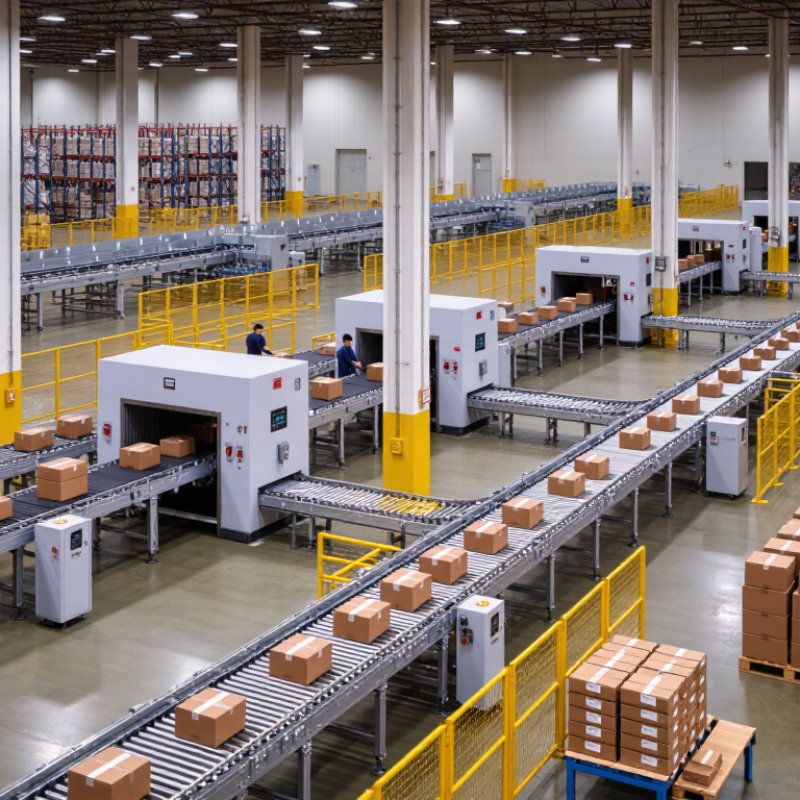
Conveyor equipment moves materials along a planned route using a belt, rollers, or a chain. A typical belt conveyor includes a motor, drive pulley, tail pulley, supporting frame, and tensioning system. The motor turns the drive pulley, creating traction that pulls the belt forward. Rollers beneath the belt support the load and reduce sag. Simple enough.
Not always simple. The operating principle depends on matching the load, speed, and route. An 8-kilogram package places different demands on a belt than a bin of loose parts. Side guides help keep items centered, while sensors can detect gaps or jams and signal a stop. At transfer points, small height differences matter; a sharp drop may tip cartons or spill loose material. Operators should check belt tracking, roller noise, and buildup around pulleys. A drifting belt can rub against the frame, though acceptable alignment varies by equipment. Routine checks are easy to overlook when a line runs smoothly, which is exactly when wear may go unnoticed. Good design considers access for cleaning and adjustment, not only throughput.
Common Conveyor Types and Their Business Applications
Conveyor equipment supports different tasks, so the right type depends on the product, route, and work area. Belt conveyors move cartons, packages, or loose materials along a continuous surface. In a packing room, they can carry filled boxes past weighing and labeling stations. Belt texture and speed matter; a slick surface may let small items drift.
Roller conveyors suit rigid loads with flat bottoms, such as totes and cartons. Gravity rollers need a slight slope, while powered rollers help move goods across level floors. Keep the gaps in mind. Small or soft packages can catch between rollers. For pallets, chain or heavy-duty roller systems handle greater loads, but need more space and careful guarding. Overhead conveyors can free floor space in assembly areas, while screw conveyors move powders or grains through enclosed channels. That can reduce dust, though cleaning access may be less convenient. Modular plastic belts are useful where frequent washdowns are needed, but joints and wear still require inspection. A practical choice comes from observing the real workflow, including awkward turns and pauses—not just comparing rated speed. I’d measure those pauses before specifying a line; estimates are often optimistic.
Why Conveyor Equipment Is Essential for Business
Common conveyor types support different material-handling needs, from moving parcels and pallets to transporting powders and bulk materials.
How to read this chart: Bars count the example applications listed for each conveyor type; they do not represent market share or measured performance. Belt conveyors are commonly used for parcels, baggage, bulk materials, food, and production lines. Roller conveyors move cartons and pallets, screw conveyors handle materials such as grain and powders, chain conveyors move heavy loads, and pneumatic conveyors transport powders or pellets through enclosed pipelines.
How Conveyor Systems Support Daily Operations
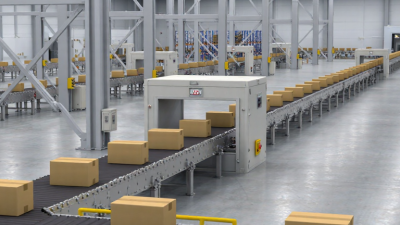
At 6 a.m., cartons arrive in waves, labels face the wrong way, and workers need clear paths between receiving and packing. A conveyor links these steps, moving boxes at a steady pace while staff scan, inspect, or sort them. Small delays spread. A well-planned system can keep work flowing and reduce repeated carrying, especially when order volumes shift during the day.
Conveyors also make routine work more visible. Supervisors can spot a queue at a merge point, compare actual throughput with targets, and adjust staffing before the packing benches fill.
MHI’s 2024 Annual Industry Report found that 55% of respondents planned to increase supply-chain technology investment over the following five years. That figure signals growing interest in operational technology, not a guarantee that every conveyor will pay off.
Fit matters. A line that is too fast can create jams, while poor access makes cleaning and maintenance harder. The overlooked detail is often a simple one: where workers stand when a belt stops.
Design reviews should include real product sizes, peak-hour traffic, and safe access to controls. Even then, forecasts can be wrong. Teams need to track downtime and bottlenecks after installation, then revise the layout when daily work changes.
Operational Benefits of Using Conveyor Equipment
Why Is Conveyor Equipment Essential for Your Business?
Operational Benefits of Using Conveyor Equipment
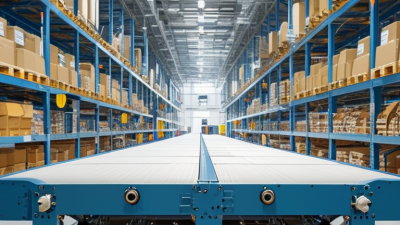
Conveyor equipment moves cartons, components, and parcels along predictable routes, reducing repeated manual carrying between work areas. On a busy shift, that can mean fewer trips with a loaded tote and steadier handoffs between packing and dispatch. Small delays add up. Fixed conveyors can also make workflow easier to observe: supervisors can spot a queue forming near a merge point or packing station. The right setup depends on product size, layout, and changing demand; conveyors are not automatically the best choice for every operation.
The 2024 MHI Annual Industry Report, produced with Deloitte, reported that 88% of surveyed supply-chain leaders planned to increase technology and innovation investment over the next year. That figure reflects broad supply-chain investment, not conveyor performance alone. Still, it highlights why businesses are reviewing automation options. A well-designed conveyor system may support more consistent throughput and reduce unnecessary handling, but poor placement can create bottlenecks or awkward work.
Tips: Map the route before choosing equipment. Track peak and average volume, note where products wait, and test how cartons behave at turns and merges. Leave room for maintenance access. Recheck the layout when product mix changes. A system that fits today may need adjustment later.
Factors to Consider When Selecting a Conveyor System
Why Is Conveyor Equipment Essential for Your Business?
Selecting a conveyor system starts with the material, not the catalogue. Note each item’s weight, dimensions, surface, and condition, including dust, moisture, or sharp edges. Then map the route from receiving to packing. A tight turn or low ceiling can change the right layout.
Estimate both current and peak throughput. A system sized only for an average shift may create a bottleneck during busy periods. Check belt speed, loading points, transfer gaps, and accumulation areas against the actual workflow. For example, cartons that arrive unevenly may need a buffer zone before a packing station. Test it with real items. Small details matter.
Consider the working environment and people who will use the equipment. Noise, washdown needs, operator reach, and access for cleaning or repairs all affect daily performance. Ask how routine inspections will fit into a shift, and whether common wear parts are easy to reach. Even a well-sized system can disappoint if staff rely on awkward workarounds. That possibility is easy to overlook during planning. Compare installation space, energy use, maintenance demands, and room for future changes before settling on a design.